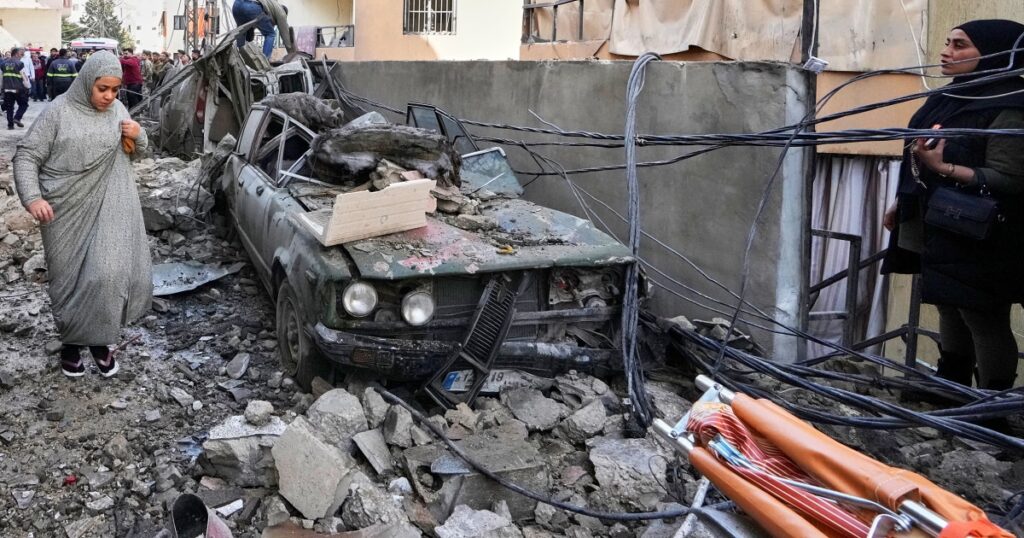
The Trump administration has been considering a high-risk operation involving the Joint Special Operations Command to seize Iran's enriched uranium stockpiles amid ongoing military efforts targeting Tehran and its allies. While initial U.S.-Israel campaigns focused on Iran's conventional military assets, the strategy has shifted toward preventing Iran from acquiring nuclear weapons, despite challenges posed by Iran's continued enrichment and regional counterattacks. Concurrently, escalating conflict in Lebanon, driven by Israeli strikes against Hezbollah and fears of a ground invasion, has displaced thousands and heightened tensions along the border, with uncertain prospects for a lasting resolution.
Posts tagged as “4th U.S. Circuit Court of Appeal”
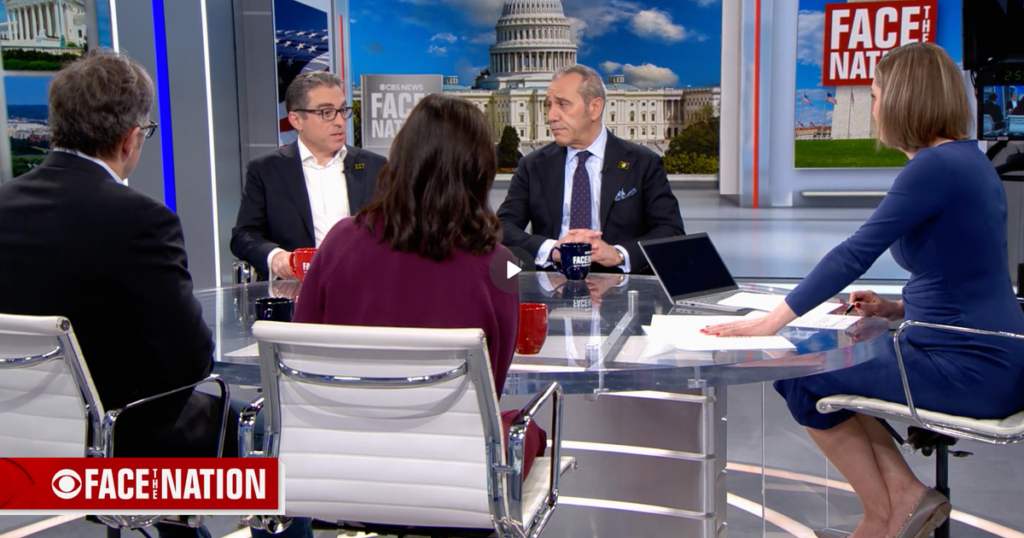
Tensions between the U.S. and Iran have heightened concerns over the safety of at least four American detainees held in Iran’s volatile prisons amid ongoing conflict and unrest. Meanwhile, the U.S. government is considering various military options, including potential ground troop deployments, to counter Iran’s strategic capabilities and secure key regional assets like the Strait of Hormuz. These developments occur alongside complex regional dynamics, with strained U.S.-Israel coordination following unilateral Israeli strikes on Iranian targets, highlighting the challenges of balancing humanitarian concerns with broader military and diplomatic strategies.
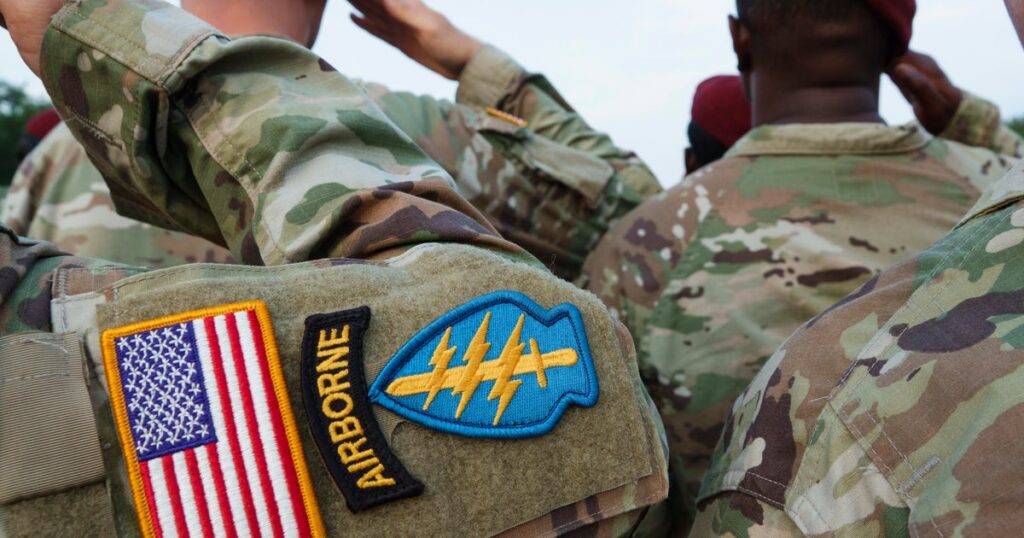
The U.S. Department of Defense has been engaging with families of fallen service members while preparing for a possible deployment of ground troops to the Middle East amid ongoing tensions with Iran. Defense Secretary Pete Hegseth reported that many families urged the continuation of the mission, though some, like Charles Simmons, expressed uncertainty about the war’s necessity. Meanwhile, Pentagon officials are readying forces including the 82nd Airborne Division and Marine units, even as President Trump denies immediate plans to send troops, emphasizing that preparations aim to preserve strategic options.
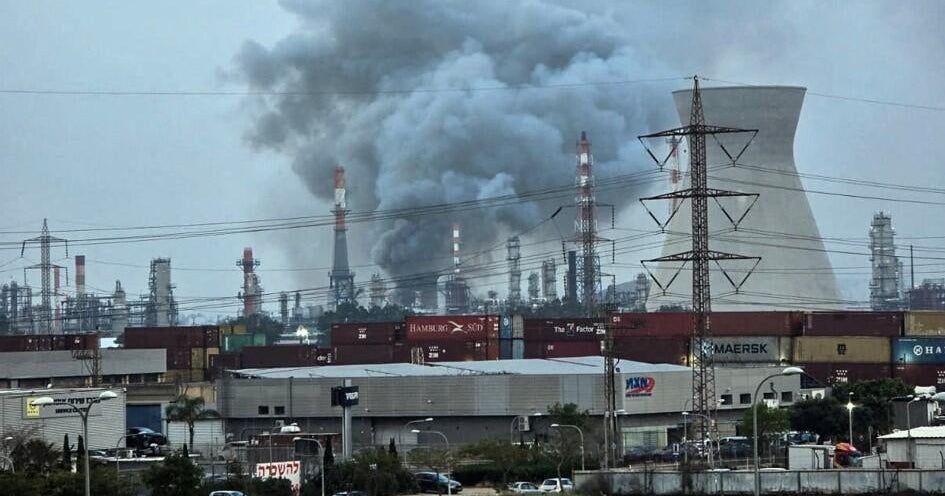
The conflict involving the United States, Israel, and Iran has intensified tensions across the Persian Gulf, with Iran launching retaliatory strikes on energy and civilian infrastructure in neighboring countries, prompting a high-level Gulf states meeting in Riyadh to address the escalating crisis. These attacks have severely impacted regional security and global energy markets, causing significant damage to oil and gas facilities and driving up oil prices, while military confrontations have included missile strikes, air raids, and the emergency landing of a U.S. F-35 jet. Despite widespread alerts and civilian sheltering, Gulf states remain divided on their response, with calls for de-escalation and ceasefire from some, amid fears of broader regional destabilization.

The U.S. Department of Justice seized four internet domains linked to Iranian government-backed hacking groups involved in cyberattacks, data theft, and intimidation of dissidents, including threats against individuals in the U.S. These groups, such as Handala and Homeland Justice, have targeted entities like a U.S. medical technology company and foreign governments, using custom malware and psychological warfare tactics. The seizures come amid heightened regional tensions following recent U.S. and Israeli military actions against Iran, with U.S. officials vowing to continue countering Iranian cyber threats to national security.
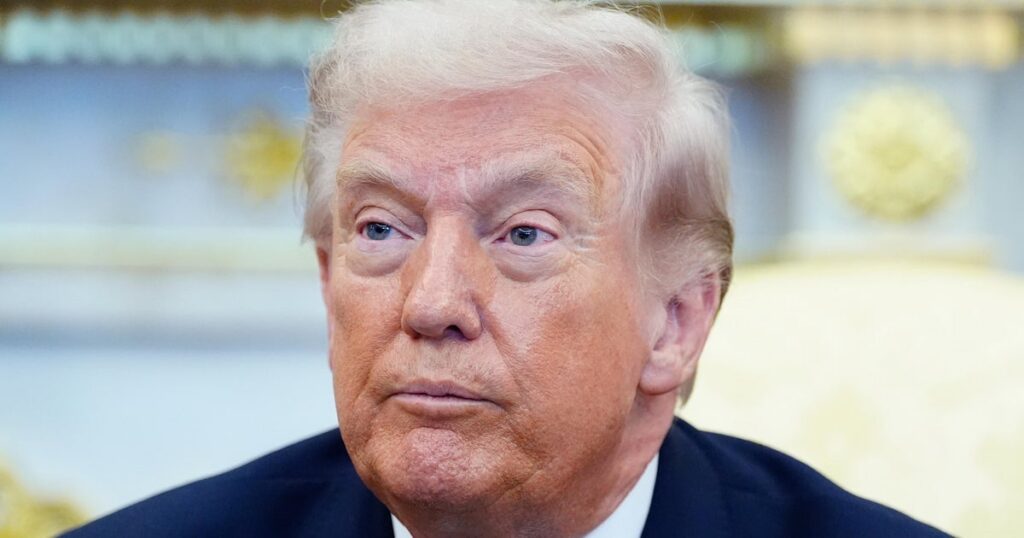
A federal commission appointed by former President Donald Trump has approved the final design for a 24-karat gold commemorative coin featuring Trump’s image to mark the United States' 250th anniversary in 2026. Despite federal laws prohibiting living presidents on currency, Treasury Secretary Scott Bessent authorized the coin’s production, which will be limited in quantity and potentially larger than standard gold coins. This gold coin project is separate from a planned $1 circulated coin featuring Trump, and its approval bypassed some traditional advisory channels amid broader efforts by Trump to link his legacy with national celebrations.

The FCC has approved Nexstar Media Group’s $6.2 billion acquisition of Tegna Inc., creating the largest local television station operator in the U.S. despite lawsuits from eight states and DirecTV arguing the merger will harm competition, raise consumer prices, and reduce local journalism diversity. FCC Chairman Brendan Carr defended the decision, citing regulatory waivers and conditions to promote competition and localism, while Nexstar’s CEO emphasized the deal’s importance for sustaining local journalism amid competition from Big Tech. Critics, including Democratic officials and FCC Commissioner Anna M. Gomez, condemned the approval for lacking transparency and warned it could create a broadcast monopoly, with legal challenges ongoing in federal court.
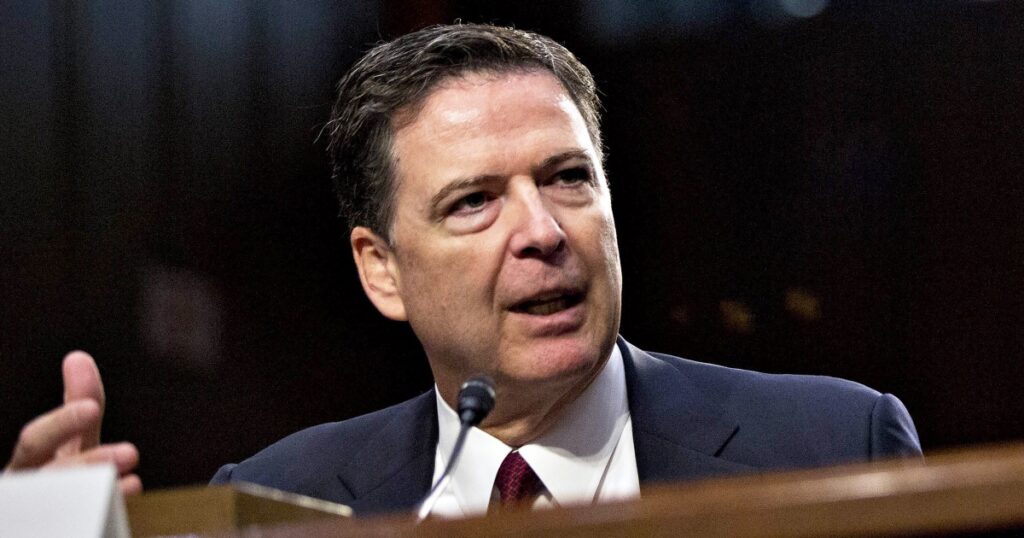
Federal prosecutors in Miami have subpoenaed former FBI Director James Comey as part of a broad Justice Department investigation into alleged misconduct by Obama-era intelligence officials during the 2016 presidential election and subsequent Trump-related probes. The investigation, led by U.S. Attorney Jason A. Reding Quiñones, has issued over 130 subpoenas to former intelligence and law enforcement officials, expanding its scope from 2016 to the present amid claims of a coordinated effort to undermine Trump. While Trump allies describe the probe as uncovering a "grand conspiracy," legal experts highlight challenges due to the statute of limitations, and Comey has previously faced legal scrutiny related to his 2016 actions.