
President Donald Trump's tariff policy is set to impact electronic device pricing, particularly Apple iPhones, as new tariffs on foreign nations are introduced, though they have been postponed for 90 days except for Chinese imports. The announcement has caused financial market volatility, with the S&P 500 index experiencing a significant rise due to the temporary pause in higher tariff rates for several trading partners, while a baseline 10% tariff remains. The White House's decision to impose a 104% tariff on all Chinese goods, potentially raising consumer prices, underscores the administration's focus on addressing trade issues with China, prompting concerns about increased costs and supply chain disruptions.
Posts tagged as “4th U.S. Circuit Court of Appeal”

President Donald Trump announced a 90-day suspension of tariffs on over 75 trading partners, leading to a significant surge in the stock market, with the Dow Jones Industrial Average and S&P 500 experiencing substantial gains. This decision, communicated via Truth Social, reflects a strategic shift in the administration's trade policy, aiming to foster dialogue and resolve ongoing trade disputes, although China remains excluded with increased tariffs. The market's positive response indicates investor optimism about potential resolutions, with attention now on the outcomes of these discussions and their impact on international trade dynamics.

Federal judges in New York and Texas have temporarily blocked the deportation of Venezuelan nationals under the Trump administration's use of the Alien Enemies Act, challenging efforts to expedite their removal. In New York, Judge Alvin Hellerstein granted relief to two Venezuelan men, emphasizing judicial scrutiny over the administration's immigration policies. Meanwhile, the White House faces controversy over potential plans to transfer U.S. citizens convicted of crimes to El Salvador, highlighting broader debates on criminal justice and international cooperation.

China has retaliated against the United States by increasing tariffs on U.S. goods to 84% following President Donald Trump's imposition of a 104% tariff on Chinese imports, escalating trade tensions between the two nations. While China is committed to a firm stance in the trade conflict, the European Union is opting for a more measured approach, criticizing the U.S. tariffs as "unjustified and damaging" but still deliberating on a collective response. These differing strategies highlight the varied international reactions to U.S. trade policies, with the global community closely watching the potential impacts on trade dynamics and economic stability.

In recent days, global financial markets have experienced significant volatility due to concerns over President Donald Trump's newly announced reciprocal tariffs, leading to a three-day sell-off that erased trillions in market value. The tariffs, effective Wednesday, mark a major shift in the global economic landscape, causing substantial paper losses and prompting consumers and investors to assess their impact on the U.S. economy. As the tariffs take effect, the global economic community is closely monitoring the situation, presenting a complex challenge for policymakers, businesses, and consumers navigating this significant policy shift.
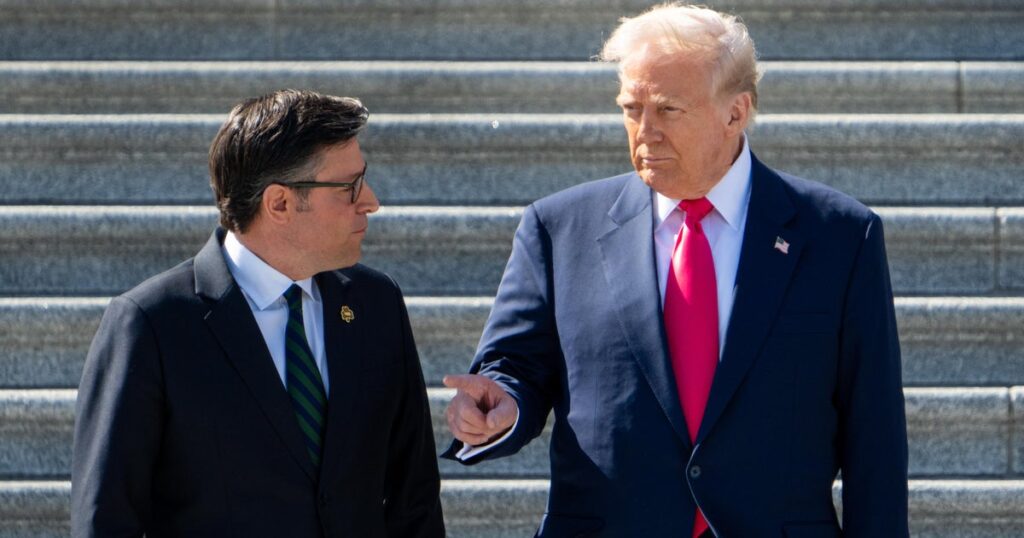
In recent U.S. political developments, President Trump has been influenced by figures like Elon Musk and Stephen Miller to consider measures against judges who rule unfavorably on his executive actions, raising concerns about judicial independence. Trump is seeking support from Republican lawmakers for a 70-page resolution outlining his priorities in border security and defense, but faces opposition from some House Republicans over spending cuts. House Speaker Mike Johnson and Representative Jim Jordan are involved in discussions about the judiciary, with Johnson considering eliminating certain federal courts and Jordan advocating for defunding parts of the judicial branch, highlighting internal Republican debates as the House prepares to vote on the resolution.

A federal judge ruled in favor of The Associated Press (AP) in a case against the White House, mandating the restoration of the AP's access to key events after it was excluded for refusing to use the term "Gulf of America" instead of "Gulf of Mexico." The judge emphasized the importance of viewpoint neutrality and the First Amendment, stating that media organizations should not face discrimination based on their editorial choices. This decision highlights the necessity of a free press and is expected to influence how the administration engages with media, ensuring access is not dependent on specific viewpoints.
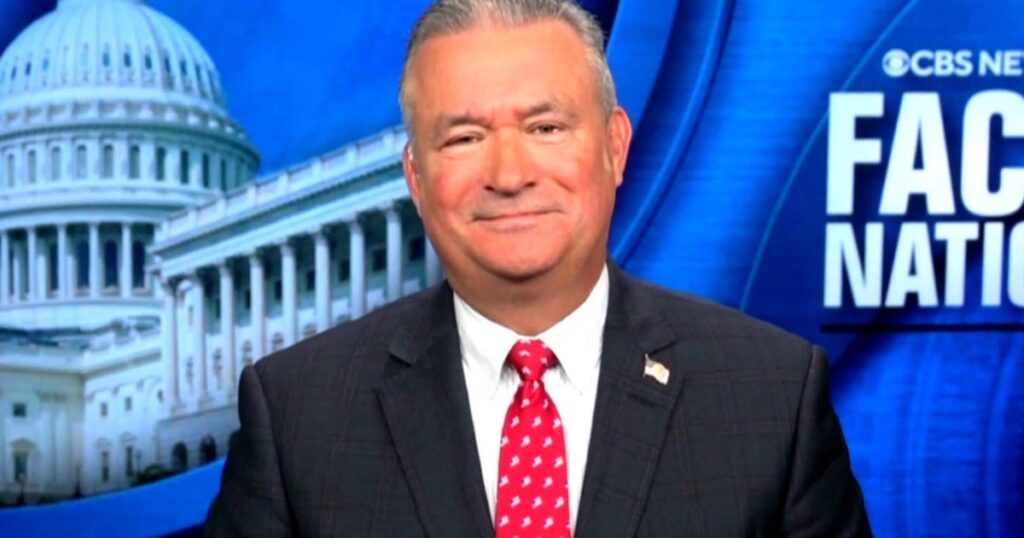
Rep. Don Bacon, a Republican from Nebraska, is advocating for a legislative proposal to restore congressional authority over tariffs, responding to concerns about the executive branch's overreach following President Trump's tariff implementations. This initiative parallels a similar Senate measure, highlighting bipartisan interest in re-evaluating the balance of power between Congress and the executive branch in trade policy. Despite growing support, House Speaker Mike Johnson opposes considering a Senate bill that would limit the President's unilateral tariff powers, reflecting ongoing debates about the separation of powers and congressional oversight in U.S. trade policy.