Key takeaways:
- Burnham proposed structured dialogue and said he is open to calls for a formal British state apology.
- Burnham ruled out financial reparations, arguing that Britons today cannot be held liable for historical wrongs in which they played no personal part.
- Barbados Prime Minister Mia Mottley welcomed the proposed dialogue while continuing to seek reparatory justice.
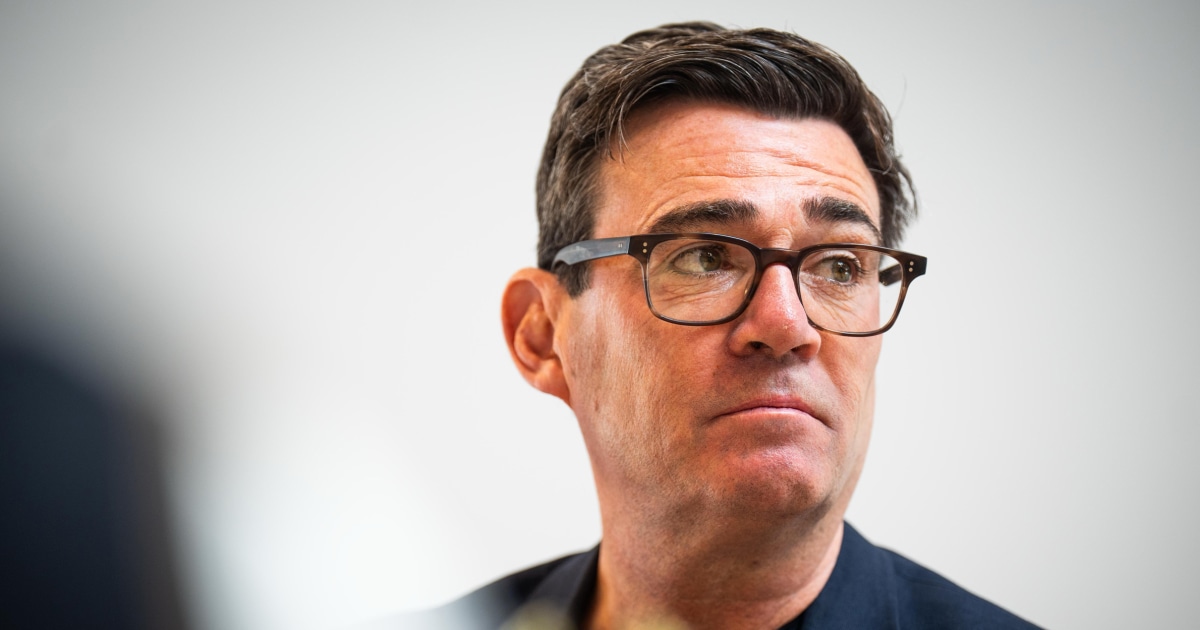
British Prime Minister Andy Burnham says he is open to a formal apology for Britain’s role in the transatlantic slave trade, but he has ruled out financial reparations, drawing a distinction between acknowledging the past and making payments for it.
“We are offering a structured dialogue with those affected by the transatlantic slave trade,” Burnham wrote in an article for The Guardian. “Listening to calls for a formal apology on behalf of the British state will form an important part of this process, and I am open to them.”
Burnham said reparations were “not the right answer.” He argued that people living in Britain today should not be held financially liable for actions in which they had no personal part. “I do not think that British people today can be held liable for historical wrongs, however heinous, that happened in a different age under different laws,” he wrote.
The British government has never formally apologised for slavery or offered financial reparations. Burnham’s willingness to consider an apology comes ahead of next week’s Commonwealth Heads of Government Meeting in Antigua and Barbuda, which he is due to attend. King Charles III, who heads the Commonwealth, will preside over the gathering as calls for Britain to address its past continue during his Caribbean tour.
On Saturday, Burnham called the trade a “brutal and barbaric violation” and said Britain must “face up to the past,” the BBC reported. Millions of Africans were trafficked to the Americas and forced to grow and harvest cash crops, while facing violence, torture, sexual abuse and the denial of basic rights.
Barbados Prime Minister Mia Mottley welcomed Burnham’s openness to an apology and said she would engage in good faith while continuing to seek reparatory justice. Jamaica’s prime minister, Andrew Holness, wrote on X: “Open-minded dialogue is always a good place to start addressing difficult issues.”
The response was not uniformly positive. Bell Ribeiro-Addy, chair of the All-Party Parliamentary Group for Afrikan Reparations, told BBC Radio 4 that the government’s acknowledgment was welcome but “still fallen short of a formal state apology and that actually costs nothing.” She said an emphasis on payments risked missing what campaigners were asking for: “My worry is the focus on financial reparations.”
Denis O’Brien, founder of The Repair Campaign, called Burnham’s statement disappointing. “The British Government must stop obfuscating and give a full and formal apology now,” he said, describing it as a symbolic first step toward reparatory justice.
Charles has also addressed the legacy of slavery during his tour. In the Bahamas, he said it was right to acknowledge “the great suffering and injustices of the past in these islands and beyond.” Protesters nearby demanded redress, with one woman shouting, “Pay us what you owe us!” In Guyana, Charles visited the site of a rebellion by enslaved people against British authorities, according to the BBC.


Be First to Comment