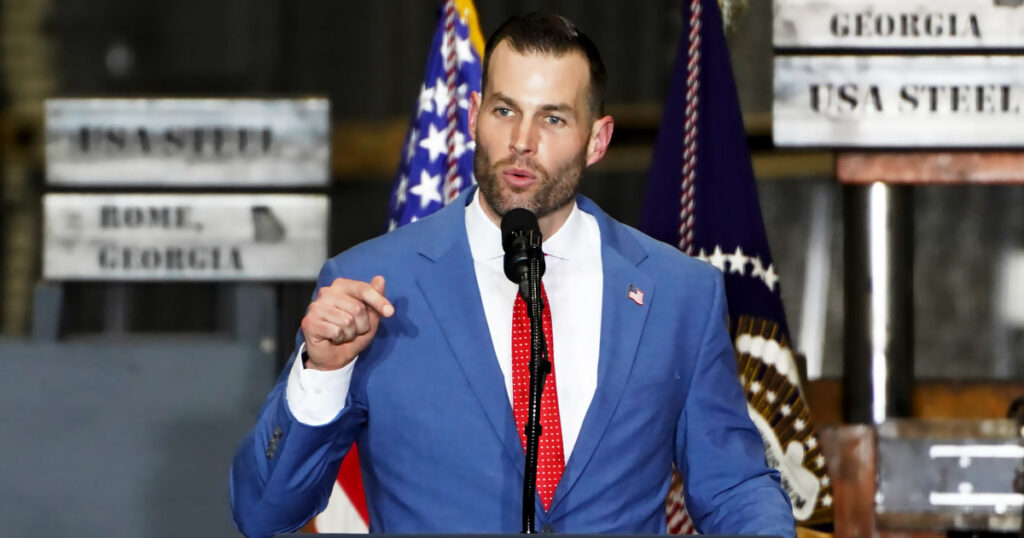
Voters in Georgia's 14th Congressional District are participating in a special election to fill the U.S. House seat vacated by Marjorie Taylor Greene, featuring 17 candidates from multiple parties. The district is a Republican stronghold, with key contenders including Trump-endorsed Republican Clay Fuller and Democrat Shawn Harris, who has raised significant funds and received high-profile endorsements. If no candidate wins a majority, a runoff is scheduled for April 7, with the winner serving a short term before facing another election in May.
Posts tagged as “1st Congressional District”
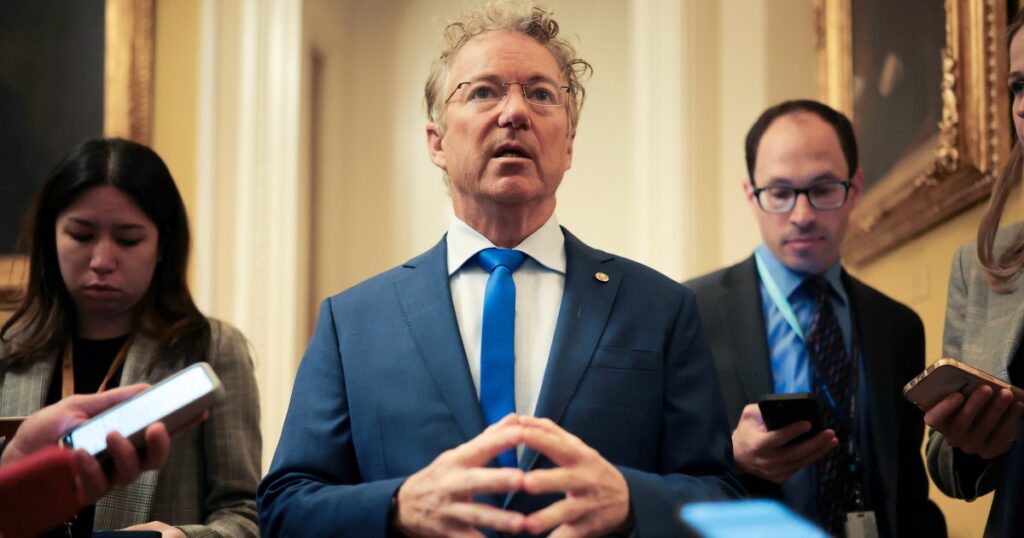
The United States Senate is set to vote on a resolution to block President Trump's "Liberation Day" tariffs, which were imposed under a national emergency declaration. Spearheaded by Senators Ron Wyden and Rand Paul, the bipartisan effort seeks to nullify the tariffs due to concerns about their economic impact, though it faces an uncertain future in the Republican-controlled House of Representatives. The vote highlights the ongoing tension between the executive and legislative branches over trade policy, with significant implications for international trade and the domestic economy.

More than 40 Democratic members of Congress have expressed concerns about Customs and Border Protection (CBP) practices, citing increased denials of entry and reports of harsh questioning and arbitrary detentions. A notable incident involving the deportation of a 2-year-old U.S. citizen to Honduras has intensified scrutiny of the administration's immigration policies, with Homeland Security Secretary Kristi Noem explaining the child's deportation was at the mother's request. As the administration reports a significant decrease in illegal border crossings, incidents like the detention of an American citizen questioning her travel partner's treatment have fueled ongoing debates over border officials' conduct and calls for greater transparency and accountability.
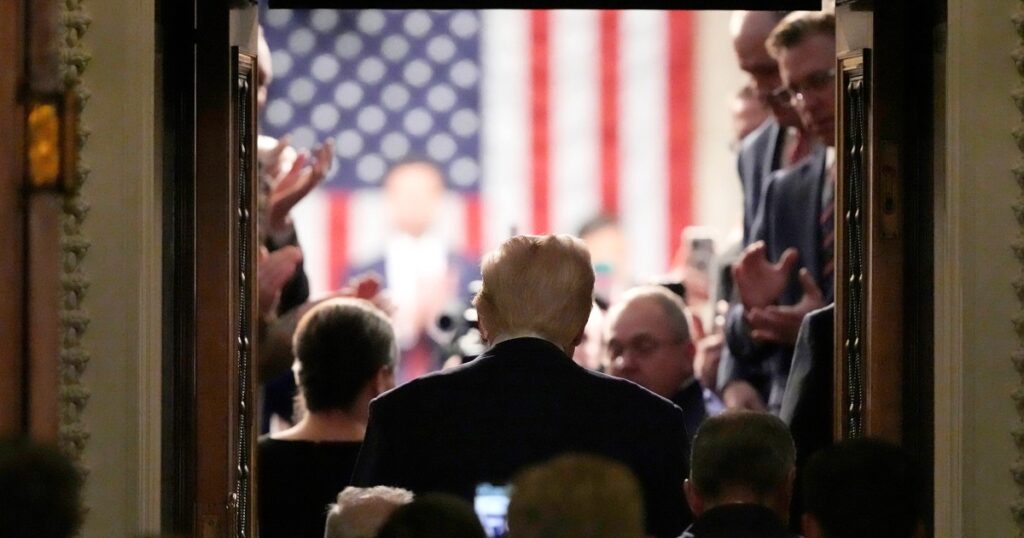
In the first 100 days of his second term, President Donald Trump has signed 142 executive orders, reflecting a swift and decisive approach to governance aimed at implementing his agenda across various policy areas. Despite ambitious goals such as ending the war in Ukraine and resolving major international conflicts, many elements of his agenda face challenges, including legal hurdles and opposition in Congress. As the effects of his executive actions continue to unfold, the administration's approach has sparked both support and criticism, with debates ongoing about the implications for the United States and its global role.
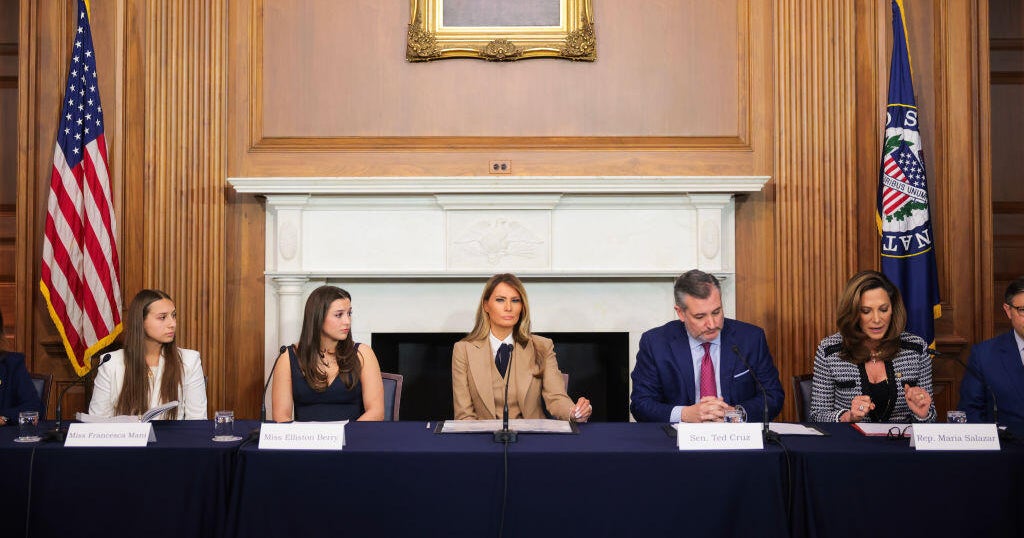
The United States House of Representatives has passed the bipartisan "Take It Down Act," which criminalizes the nonconsensual distribution of both real and AI-generated sexually explicit imagery online. The legislation requires social media companies and online platforms to remove such content within 48 hours of a victim's request, addressing the growing misuse of AI technologies to create explicit content without consent. With overwhelming support in both the House and Senate, the bill now awaits President Donald Trump's signature, marking a significant legislative effort to protect individuals from the harmful effects of revenge porn and AI-generated explicit content.
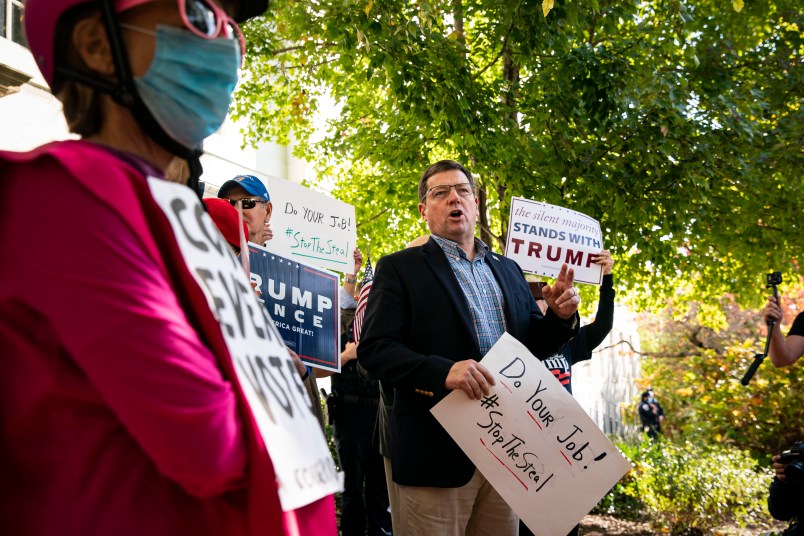
Congressional committees are set to begin work on a major legislative initiative central to President Trump's first-year agenda, following the adoption of a budget resolution by both the House and Senate. In opposition to the Republican budget plan, House Minority Leader Hakeem Jeffries and Senator Cory Booker staged a sit-in protest at the Capitol, criticizing the ethics of the plan and expressing concerns about a judicial ruling involving Judge John Barberis. The protest, which was livestreamed, highlighted a legal case over control of the Eagle Forum and was described by Senator Booker as a "moment of moral urgency" as Congress reconvenes after a recess.
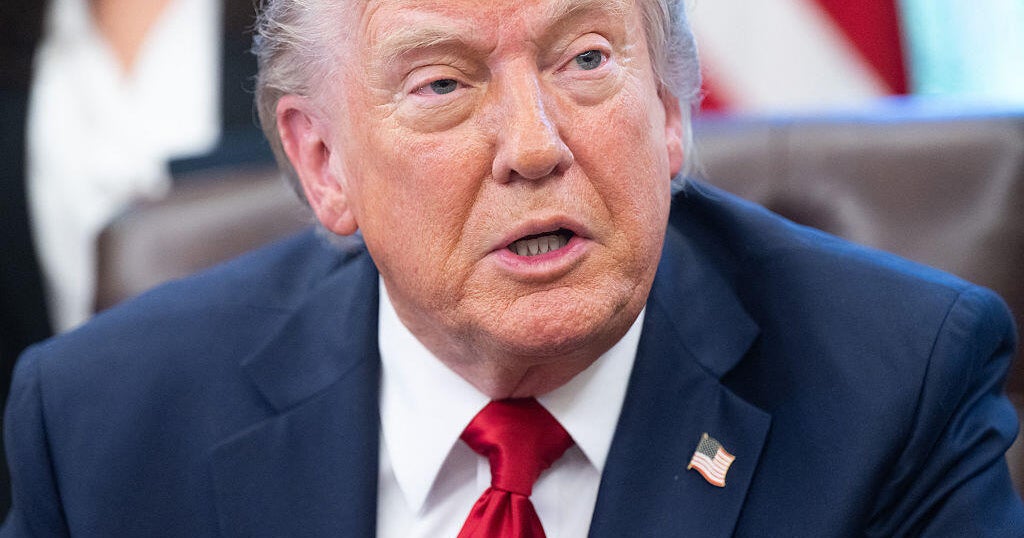
Twelve states have filed a lawsuit against President Donald Trump's tariff policy, arguing it disrupts the constitutional balance of power by undermining Congress' authority to regulate foreign commerce. Spearheaded by Arizona and Oregon's Attorneys General, the lawsuit seeks to halt the enforcement of tariffs imposed under a wartime law, claiming the application of this law is unlawful and has led to economic instability. The case highlights ongoing debates about presidential powers in trade matters and could significantly impact the balance of power between the executive branch and Congress.
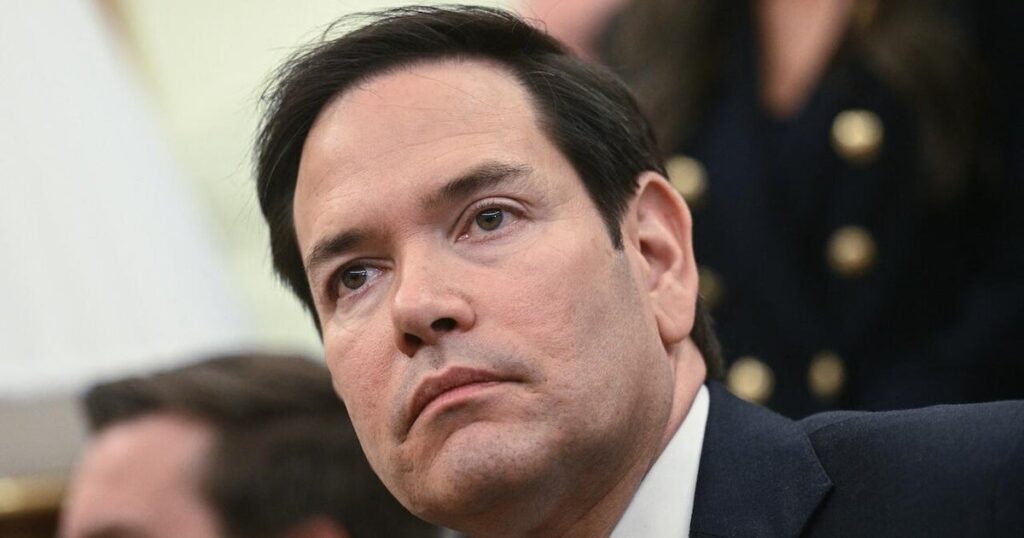
Secretary of State Marco Rubio announced a major restructuring of the State Department, aligning with the Trump administration's "America First" policy, which includes a 15% reduction in domestic staff and the closure or consolidation of over 100 global bureaus. The initiative aims to streamline operations, enhance efficiency, and better position the United States for success by reallocating resources to foster innovation and address contemporary challenges. Undersecretaries have been given 30 days to develop plans for implementing these changes, marking a significant shift in the department's operational strategy and reflecting broader goals of reducing government size.