Democratic socialist Melat Kiros defeated longtime Rep. Diana DeGette in a Denver-area primary, while Colorado Attorney General Phil Weiser beat Sen. Michael Bennet for the Democratic nomination for governor. Democrats also nominated Manny Rutinel to challenge Republican Rep. Gabe Evans in a competitive, heavily Latino House district.
Posts tagged as “1st Congressional District”
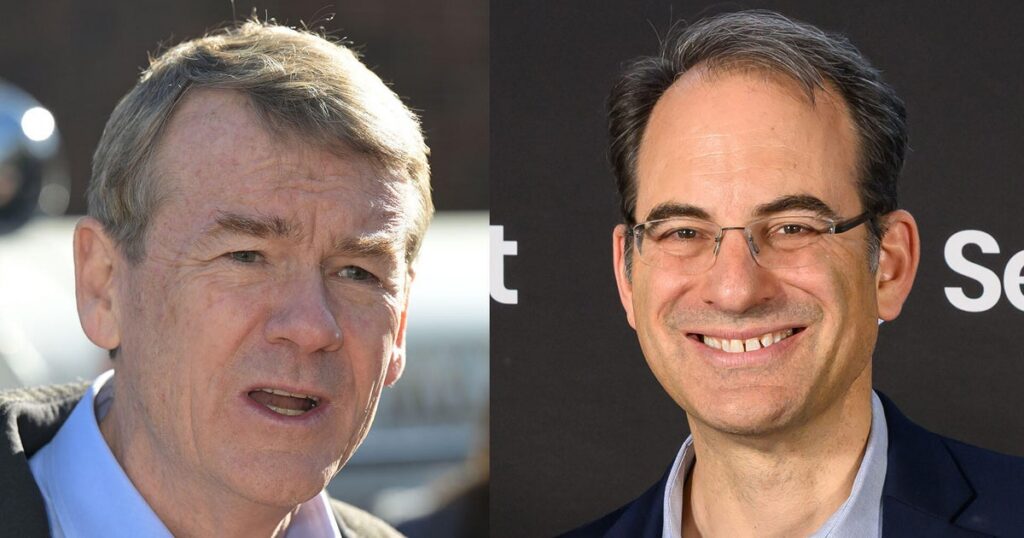
Colorado’s Democratic primaries are testing longtime officeholders against insurgent challengers in races for governor, Senate and a Denver-area House seat. The contests follow anti-establishment wins in New York and could shape the party’s direction this cycle.
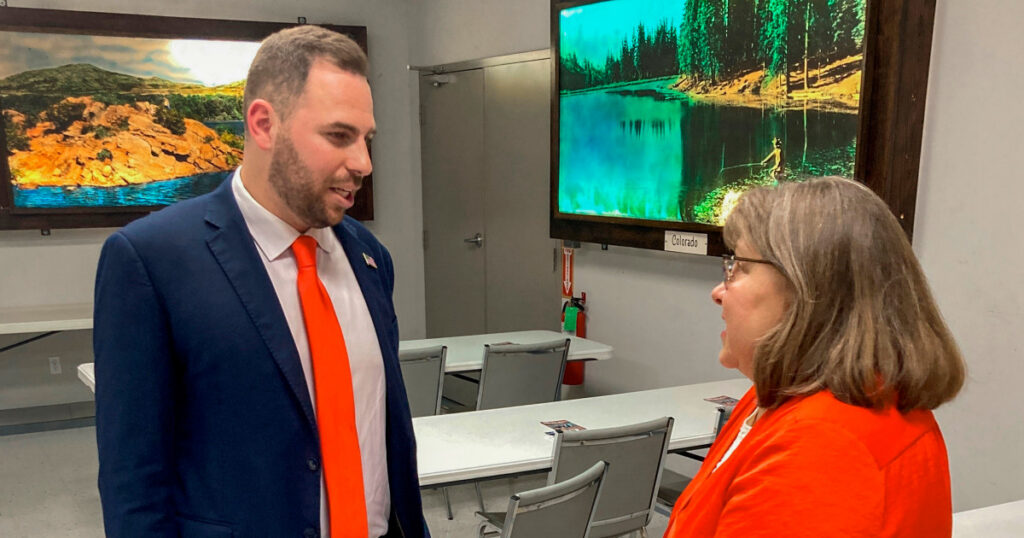
Jackson Lahmeyer, a Republican pastor and Pastors for Trump founder, suspended his Oklahoma congressional campaign after reports of inappropriate text messages and after Donald Trump switched his endorsement to Mark Tedford. Lahmeyer had advanced to a runoff one day earlier.
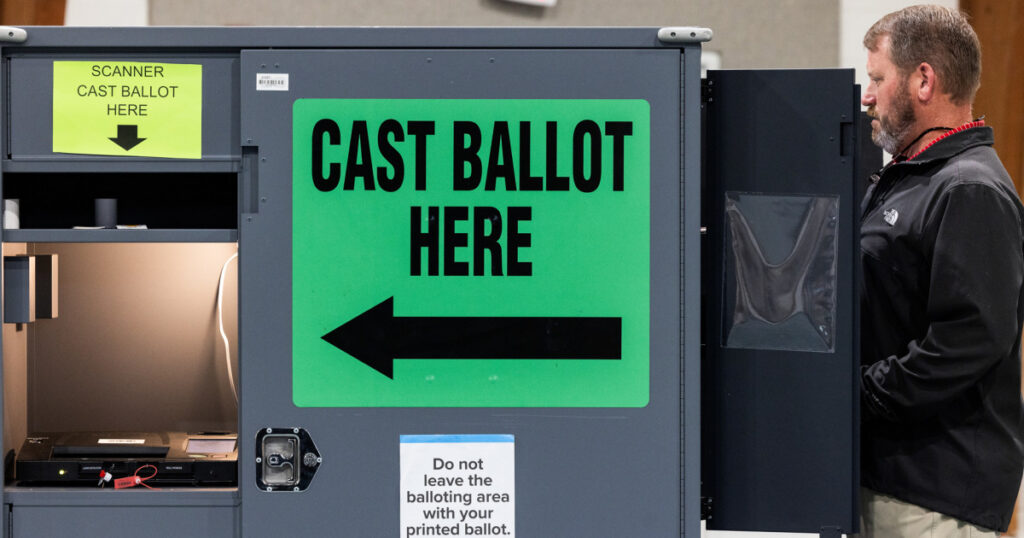
Republican runoffs in Georgia and Alabama tested Donald Trump’s endorsement power, with early Georgia results showing Trump-backed Burt Jones trailing in the governor’s race and Mike Collins narrowly leading in the Senate contest. Voters also cast ballots in Oklahoma and Washington, D.C.
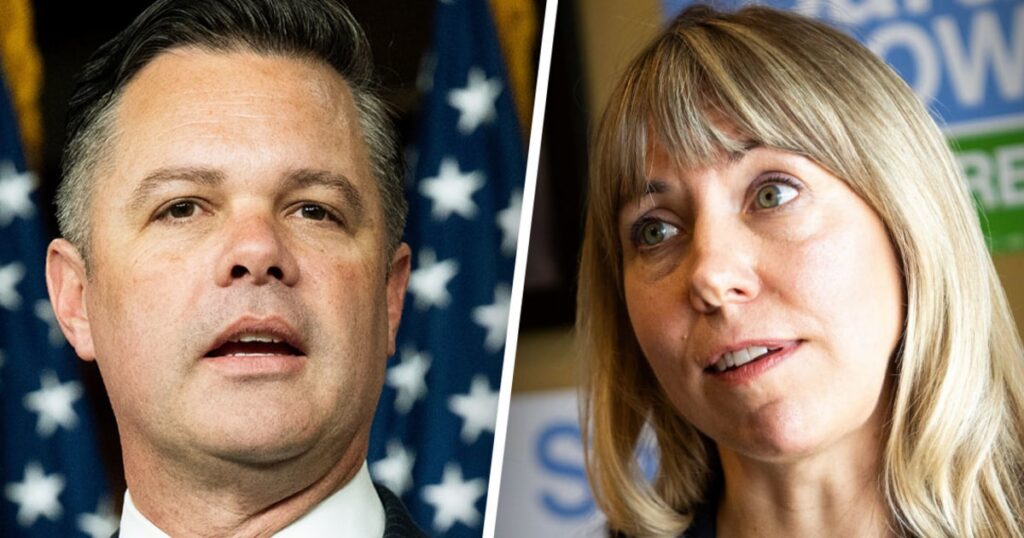
Iowa voters set competitive House matchups and chose Democrat Josh Turek for a U.S. Senate race against Republican Ashley Hinson. Primaries in California, New Jersey and other states also narrowed key congressional fields.
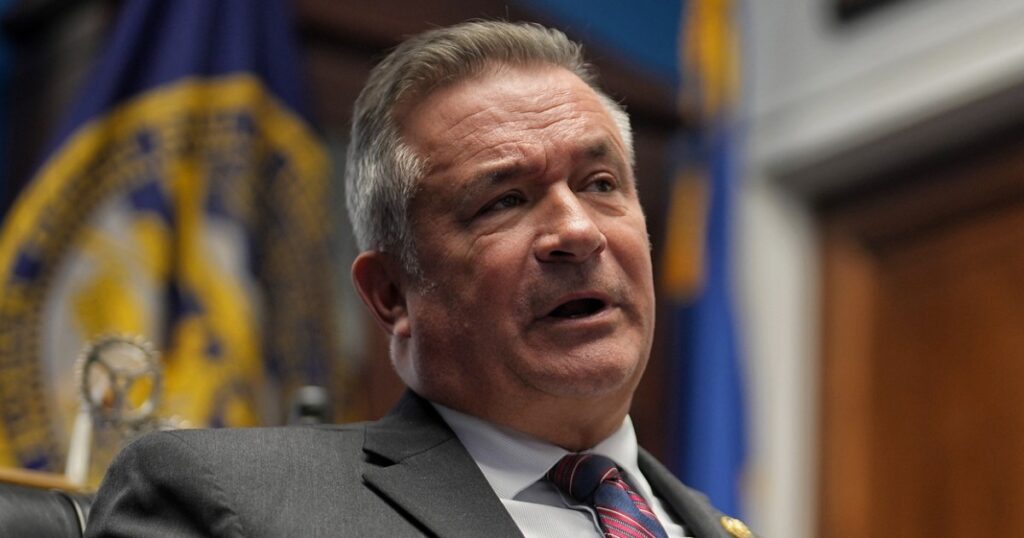
Nebraska and West Virginia hold primaries Tuesday to determine candidates for competitive House and Senate races, including a heated Democratic contest in Nebraska’s 2nd District and GOP Sen. Shelley Moore Capito’s bid for a third term in West Virginia.

Delta Air Lines has temporarily suspended special services for members of Congress at airports due to operational challenges caused by the ongoing partial U.S. government shutdown and resulting TSA staffing shortages. The shutdown has led to severe workforce reductions, with many TSA employees working without pay and facing financial and mental health hardships, prompting criticism of temporary measures like deploying ICE agents to assist with security. Meanwhile, airlines and airport staff urge Congress to resolve the funding impasse soon, as the Senate nears a potential deal to restore Department of Homeland Security operations and ease widespread travel disruptions.
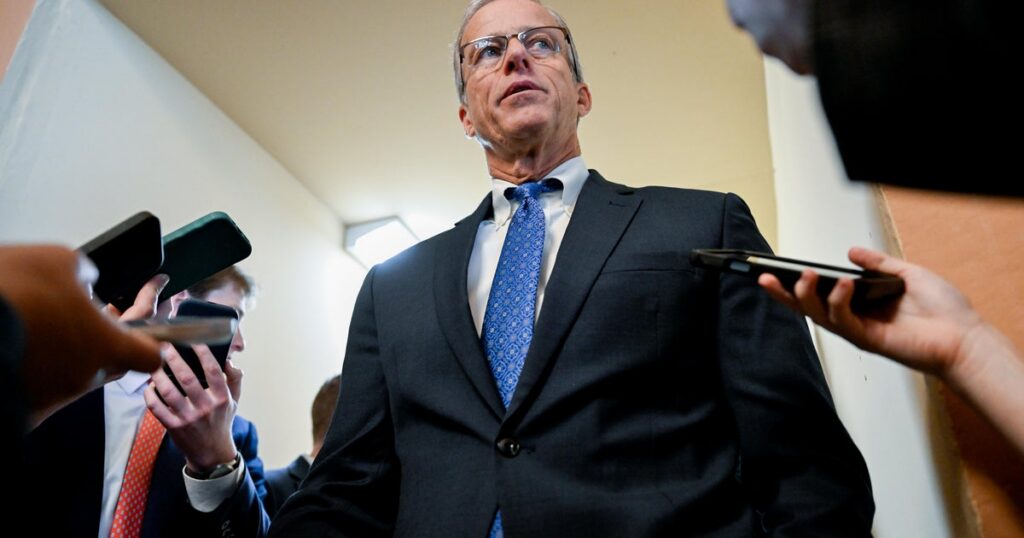
Senate efforts to end the 38-day Department of Homeland Security shutdown stalled after former President Trump demanded that the DHS funding bill include his controversial SAVE America Act, which mandates voter ID and citizenship verification, a proposal opposed by Democrats and lacking sufficient Senate support. The shutdown has strained airport security operations, with TSA workers unpaid and ICE agents deployed to assist, while Democrats have offered to fund non-ICE DHS components separately, a move some Republicans are considering. Political tensions remain high as Democrats accuse Trump of sabotaging negotiations, the Senate faces a looming recess, and a Supreme Court case on late-arriving mail-in ballots adds complexity to ongoing debates over election integrity and federal funding.