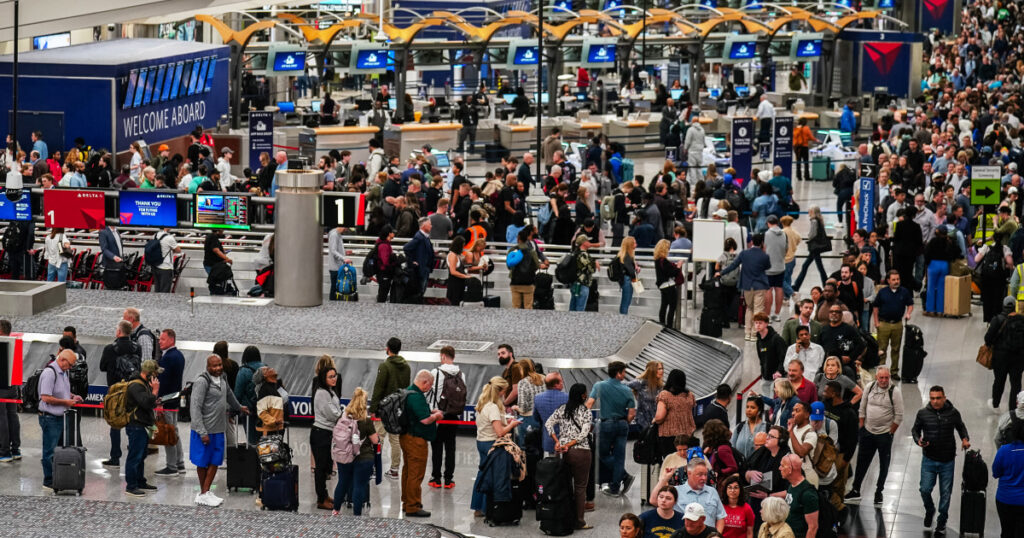
The partial shutdown of the Department of Homeland Security has caused severe staffing shortages and long security lines at airports, prompting President Trump to deploy armed ICE agents to assist with crowd control despite their lack of TSA screening training. Efforts to resolve the shutdown include a proposed compromise to fund DHS excluding ICE, with ICE funding to be addressed separately, but President Trump rejected this plan, insisting on linking DHS funding to the controversial "SAVE America Act." As the standoff continues, travelers face ongoing delays and uncertainty, with Congress considering canceling its recess to address the impasse.
Posts tagged as “1st Congressional District”
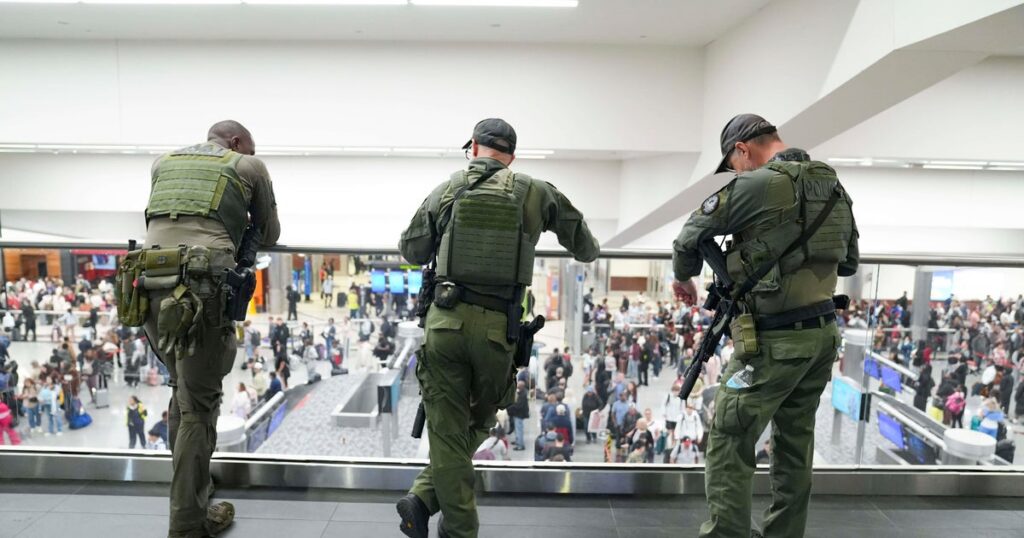
As the partial government shutdown extends into its third week, ICE agents have been deployed to 14 major U.S. airports to assist with crowd control amid severe TSA staffing shortages causing long security wait times. While ICE personnel support TSA officers by managing passenger flow, they are not trained to conduct security screenings, drawing criticism from TSA unions and civil rights groups concerned about safety and traveler anxiety. The deployment has heightened political tensions, with calls for Congress to restore TSA funding as airports continue to struggle under the strain of the shutdown.
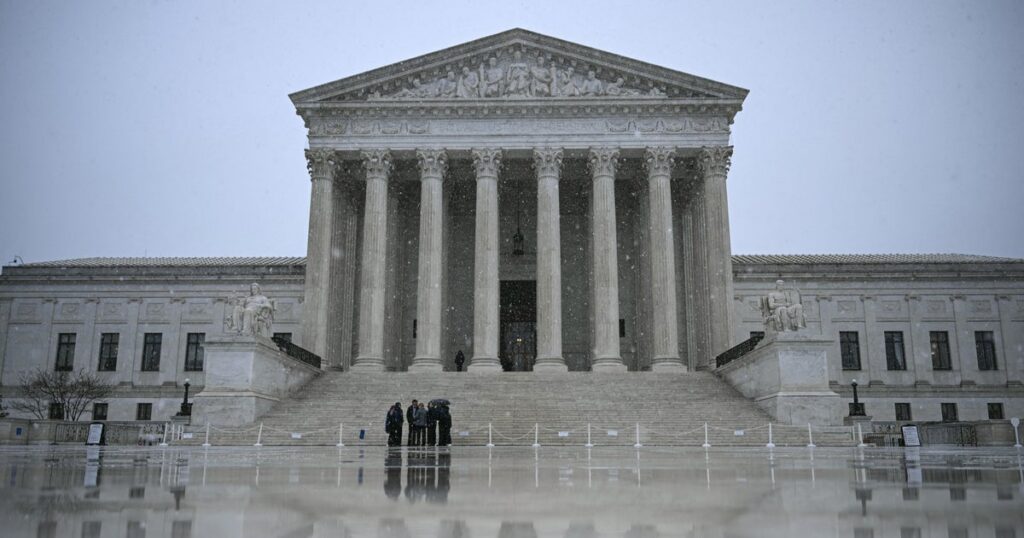
The U.S. Supreme Court is considering whether states can count mail-in ballots postmarked by Election Day but received afterward, focusing on Mississippi’s law allowing a five-day grace period. The Republican National Committee and others argue that federal law requires ballots to be received by Election Day, while Mississippi officials defend their law under the Constitution’s Elections Clause and warn that invalidating it could affect millions of voters, including military personnel. The ruling, expected before the November midterms, will address the tension between federal election uniformity and states’ authority over mail-in ballot deadlines.
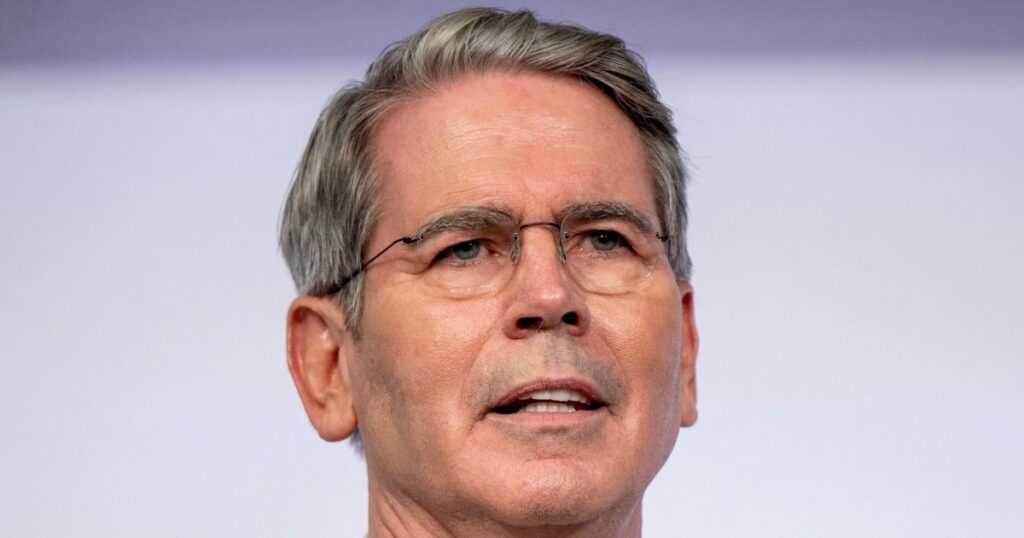
U.S. Treasury Secretary Scott Bessent defended recent U.S. military strikes on Iranian infrastructure as necessary escalations to de-escalate tensions, while also explaining the easing of sanctions to release Iranian oil onto global markets as a strategic move against Iran. Iran warned of retaliatory attacks on U.S. and allied infrastructure if its fuel and energy facilities were targeted, though the U.S. has so far avoided directly hitting Iran’s oil infrastructure. Meanwhile, growing political opposition in Congress criticized the administration for lack of authorization, transparency, and a clear strategy, calling for an end to the conflict.
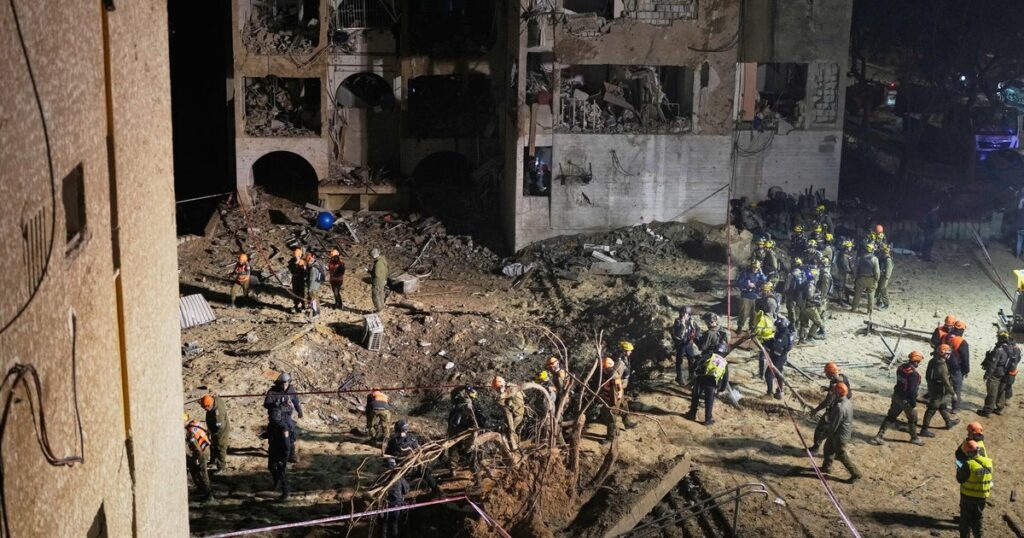
Iranian missile strikes targeted the Israeli towns of Dimona and Arad near the country’s main nuclear research center, injuring at least 90 people and causing significant damage. The attacks followed an airstrike on Iran’s Natanz nuclear facility and marked an escalation in the ongoing conflict, with Israeli officials condemning the strikes as reckless and strategically aimed at civilians. Meanwhile, U.S. intelligence testimony before Congress revealed differing objectives between the U.S. and Israel in the conflict and warned of potential broader regional impacts, including threats to U.S. forces and disruptions to global oil supplies.

Airport delays across the U.S. have worsened due to a funding stalemate in Congress over the Department of Homeland Security budget, causing TSA workers to miss paychecks and leading to severe staffing shortages and long security wait times. The impasse is fueled by political disputes over immigration enforcement reforms, with Democrats blocking full DHS funding and Senate leaders seeking urgent solutions before the upcoming recess. Meanwhile, scrutiny of DHS procurement practices has intensified amid reports of controversial contracts and operational failures, further complicating efforts to restore stability to the department.
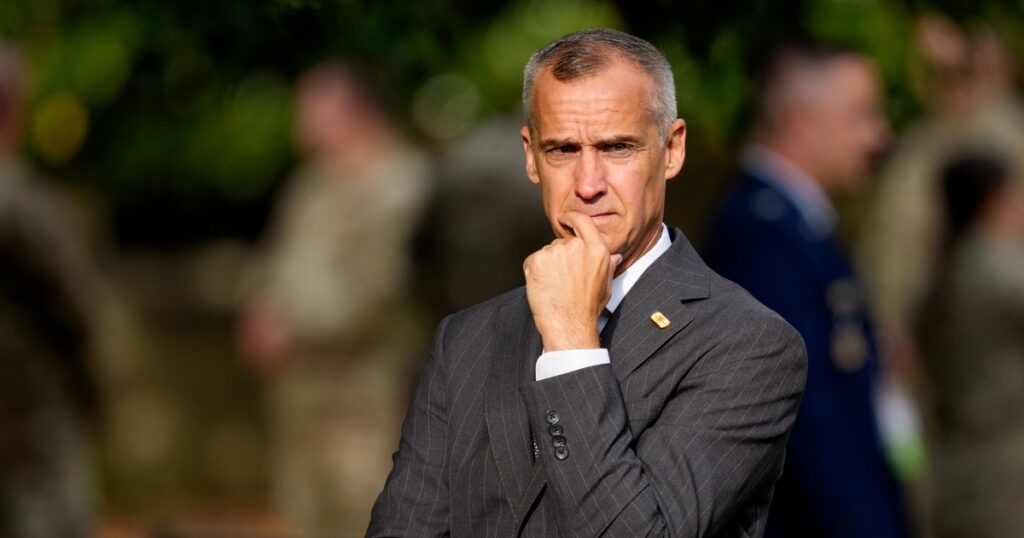
Corey Lewandowski, a close adviser to former President Trump and former top aide to DHS Secretary Kristi Noem, has been accused of seeking financial compensation tied to government contracts awarded to the private prison company GEO Group during the post-2024 election transition. Despite Lewandowski’s denials, congressional investigations and internal complaints have scrutinized his role in DHS contracting decisions, leading to Noem’s dismissal and ongoing probes into potential financial benefits linked to these contracts. The controversy highlights concerns over ethical conduct and the influence of political figures in government contracting related to immigration enforcement.
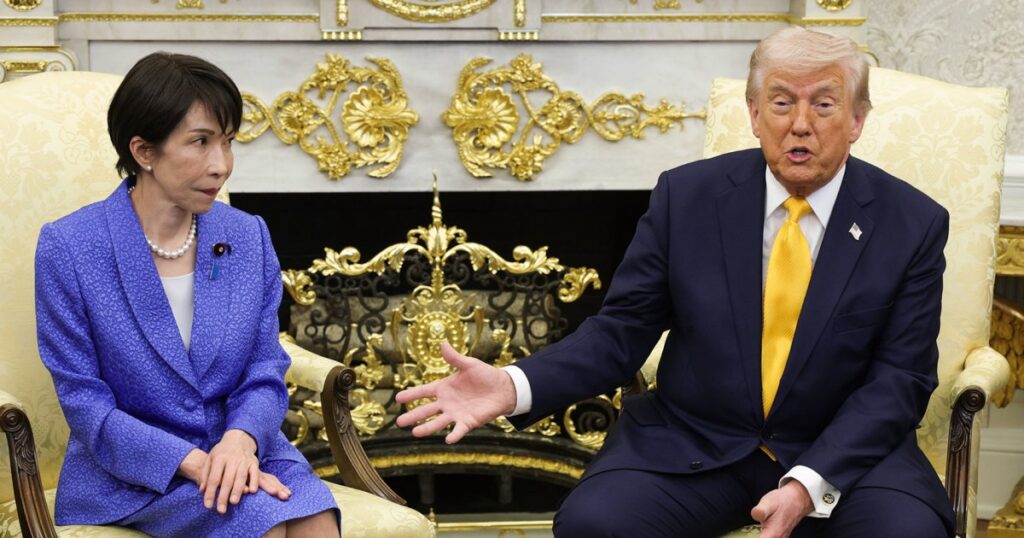
The Trump administration is reportedly preparing to request over $200 billion in emergency supplemental funding from Congress to support ongoing military operations in Iran, potentially using the request to retroactively justify the conflict. While House Speaker Mike Johnson and Defense Secretary Pete Hegseth have not ruled out the large funding package, lawmakers, especially Democrats, have expressed concerns about the lack of congressional authorization and the political challenges in passing such a bill. President Trump defended the surprise nature of the strikes on Iran, compared them to Pearl Harbor, confirmed the funding request, and downplayed the economic impact despite disruptions in the Strait of Hormuz.