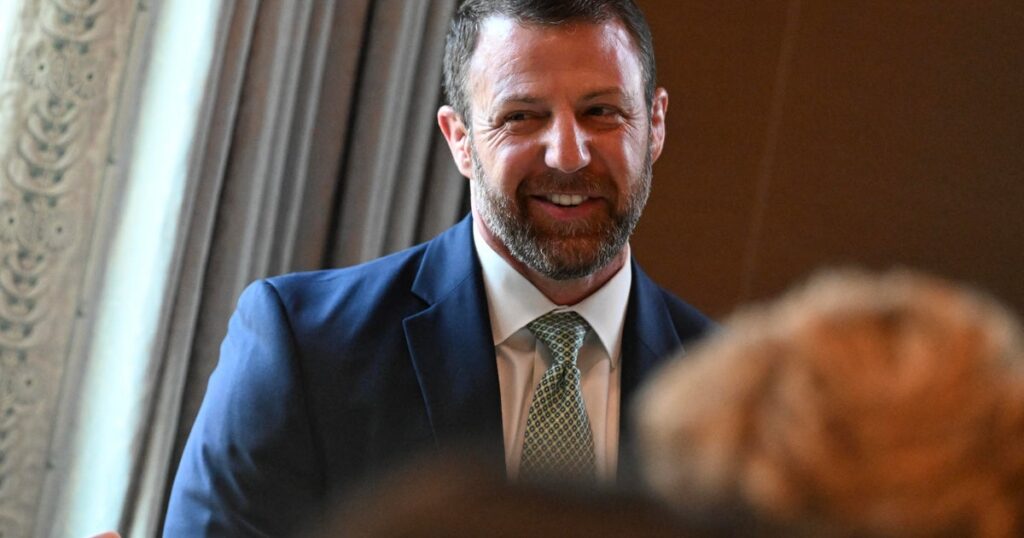
Senator Markwayne Mullin appeared before the Senate Homeland Security and Governmental Affairs Committee for a confirmation hearing to become the next Secretary of Homeland Security, facing scrutiny over past remarks and concerns about his readiness to lead amid ongoing departmental challenges. While Republican supporters praised Mullin’s experience and work ethic, Democrats expressed reservations about his ability to address issues such as immigration enforcement reforms, funding impasses, and agency misconduct. The committee’s recommendation will move Mullin’s nomination to the full Senate, where a simple majority vote is needed for confirmation.
Posts tagged as “1st Congressional District”
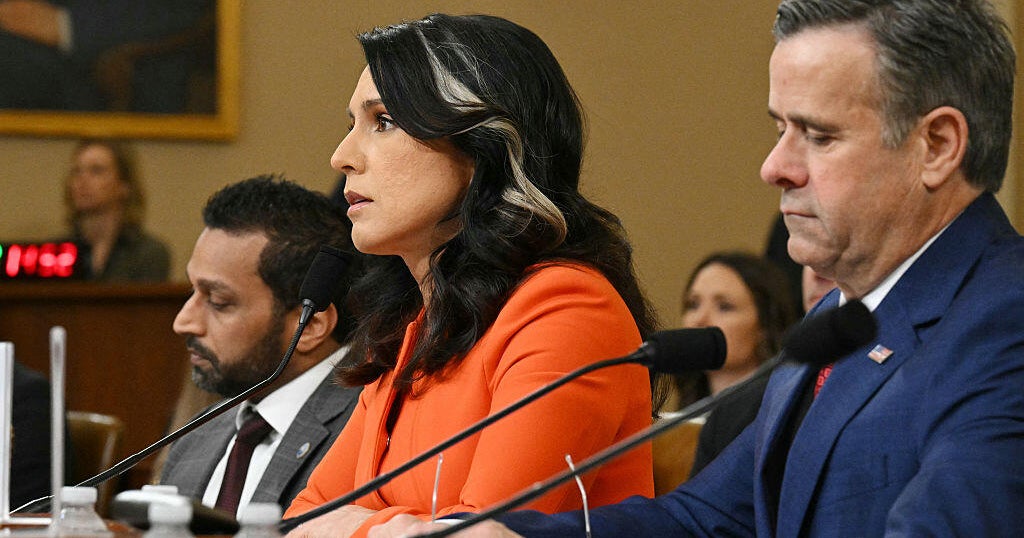
Top U.S. intelligence officials, including Director of National Intelligence Tulsi Gabbard, testified before the Senate Intelligence Committee amid heightened tensions following the U.S. military campaign against Iran, which was justified by the Trump administration as a response to an imminent threat despite intelligence reports indicating Iran was not actively pursuing nuclear weapons. The hearing occurred shortly after the resignation of Joe Kent, head of the National Counterterrorism Center, who criticized the administration’s rationale for war, while lawmakers remain divided over calls for greater transparency and public hearings on the conflict. As the debate over oversight continues, Democratic lawmakers push for more disclosure, whereas many Republicans argue that classified briefings suffice to protect national security.
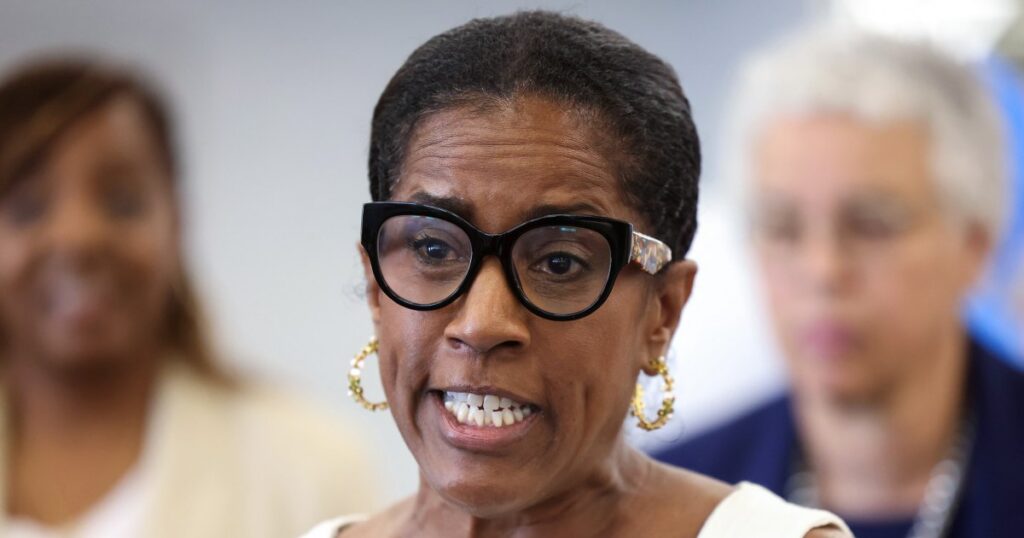
Illinois voters participated in the 2026 primary elections on March 17, with key races including the U.S. Senate seat, where Lieutenant Governor Juliana Stratton won the Democratic nomination to face Republican Don Tracy. The gubernatorial primary set up a rematch between incumbent JB Pritzker and Republican Darren Bailey, while several closely contested Democratic congressional primaries in the Chicago area highlighted ideological divides, particularly over Israel policy. Notable outcomes included Melissa Bean’s political comeback in the 8th District and tight races in the 7th and 9th Districts, reflecting shifting dynamics within Illinois politics ahead of the general elections.
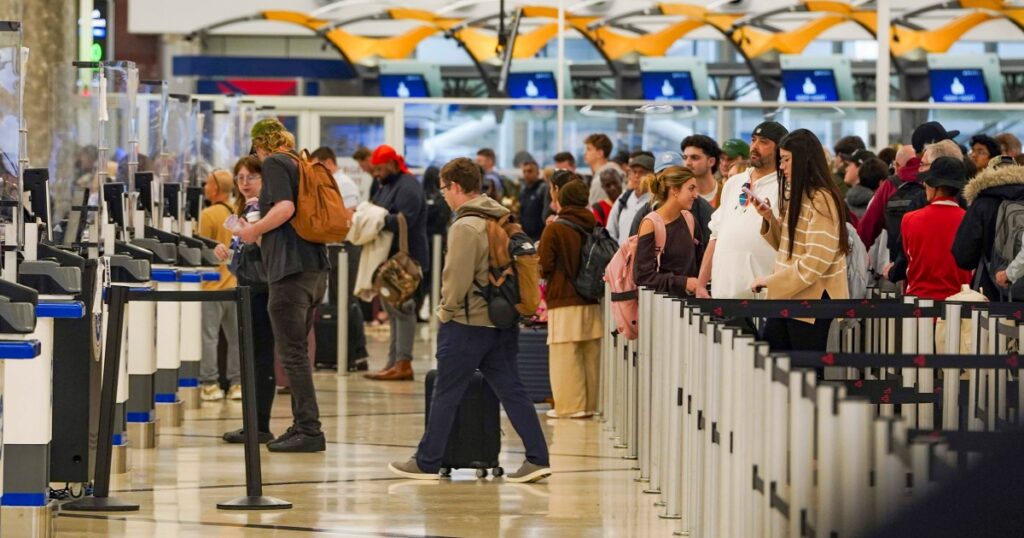
The partial government shutdown has caused significant delays at U.S. airport security checkpoints due to TSA employees missing paychecks, leading to increased resignations and callouts that strain staffing levels nationwide. Key airports like Atlanta, Austin, and Houston are experiencing severe wait times, with TSA officials warning that the situation will worsen unless funding is restored. The shutdown, rooted in a political deadlock over immigration policy, has left many TSA workers struggling financially, prompting calls from airlines and officials for Congress to resolve the impasse to stabilize airport operations.
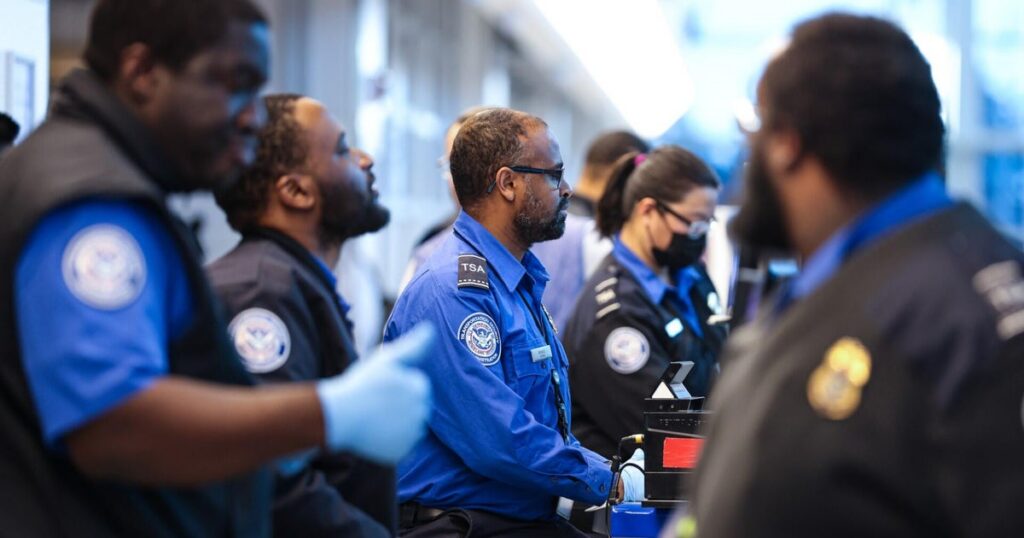
The partial government shutdown has forced around 50,000 TSA agents to work without pay, leading to staffing shortages, increased absences, and long security lines at major U.S. airports. Despite President Trump’s public support, TSA employees face financial hardships and growing resignations, while airline CEOs urge Congress to pass legislation ensuring pay during shutdowns. Travelers experience delays and stress, and isolated incidents of violence against TSA officers have occurred, highlighting the mounting operational and emotional toll of the ongoing funding lapse.
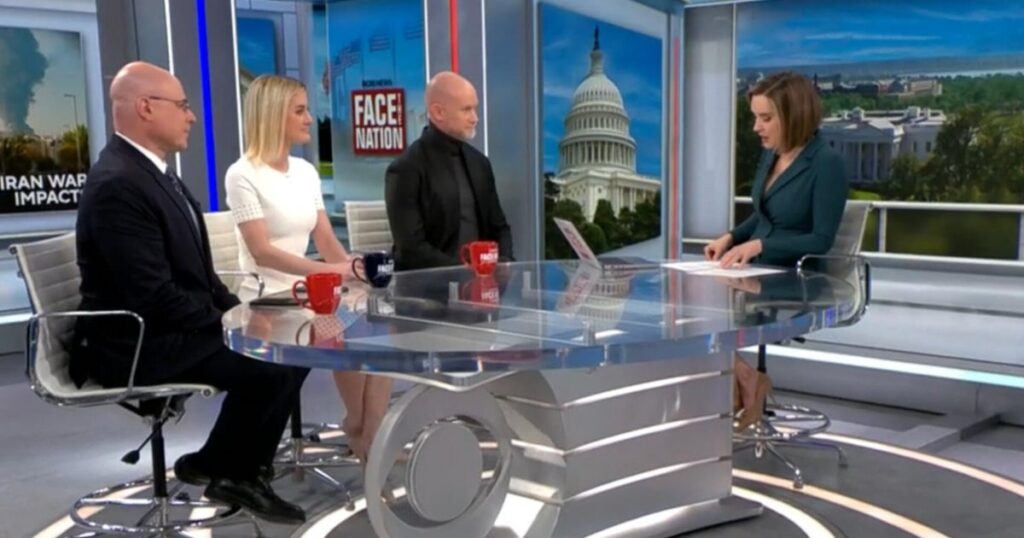
The ongoing U.S.-Iran conflict has sparked legal and political debates over the Trump administration’s military actions without explicit congressional authorization, with plans to request up to $50 billion in emergency supplemental funding that some view as retroactive approval. While the Department of Defense has existing funds for missile defense and munitions, questions remain about the necessity of additional emergency appropriations, as Congress holds significant power over military funding. Meanwhile, escalating military strikes, Iran’s refusal to negotiate, and rising domestic economic and security concerns underscore the complex geopolitical and domestic ramifications of the conflict.
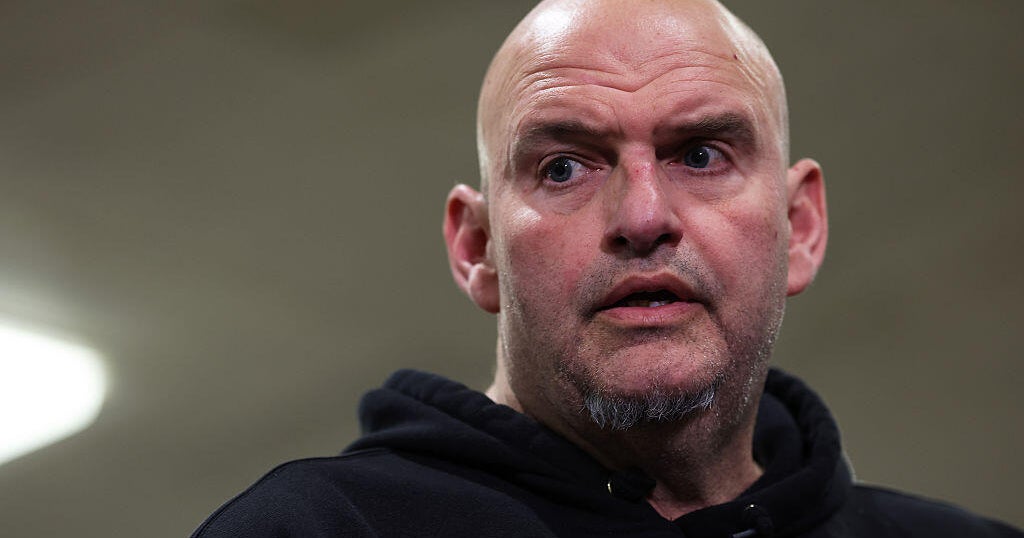
The conflict between the United States, Israel, and Iran has led to significant military casualties, economic costs exceeding $11.3 billion in the first six days, and disruptions to global oil trade through the Strait of Hormuz. Democratic Senator John Fetterman supports the U.S.-Israel military campaign, citing Iran’s limited ability to inflict damage and emphasizing the threat posed by Iran’s nuclear ambitions despite intelligence reports indicating no active nuclear weapon development. Meanwhile, the war’s human toll includes thousands of deaths across the involved nations, and President Trump has expressed uncertainty about the conflict’s duration as the U.S. seeks additional funding to sustain military operations.
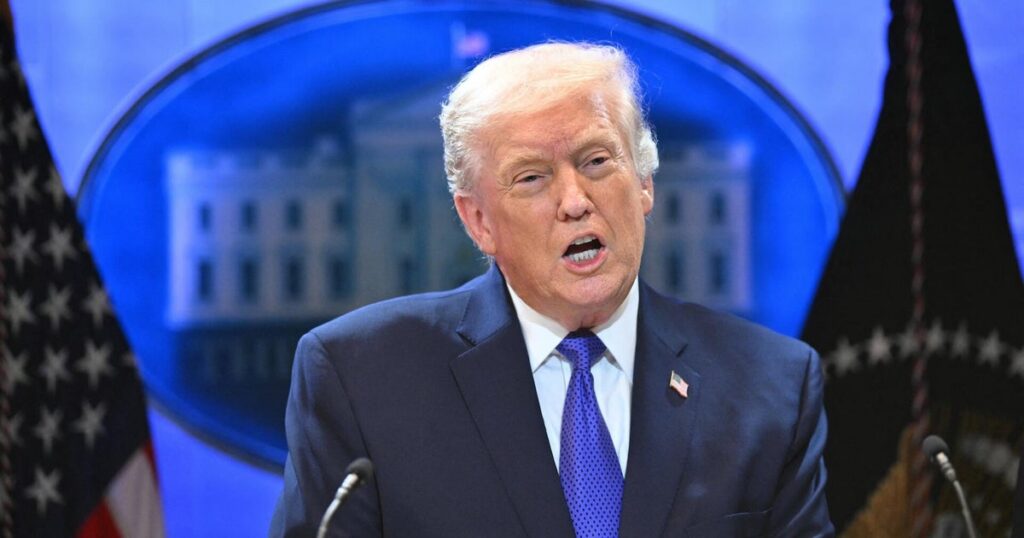
The Trump administration has launched multiple trade investigations into over a dozen countries, including the EU, China, and Mexico, focusing on "structural excess capacity" in manufacturing that may harm U.S. wages and market access. These probes, conducted under Section 301 of the Trade Act, aim to determine whether new tariffs should be imposed before the current global 10% tariff expires in July, with potential increases to 15% also under consideration. Additionally, separate investigations will target forced labor compliance in about 60 countries, raising concerns among U.S. trading partners and threatening recent trade agreements.