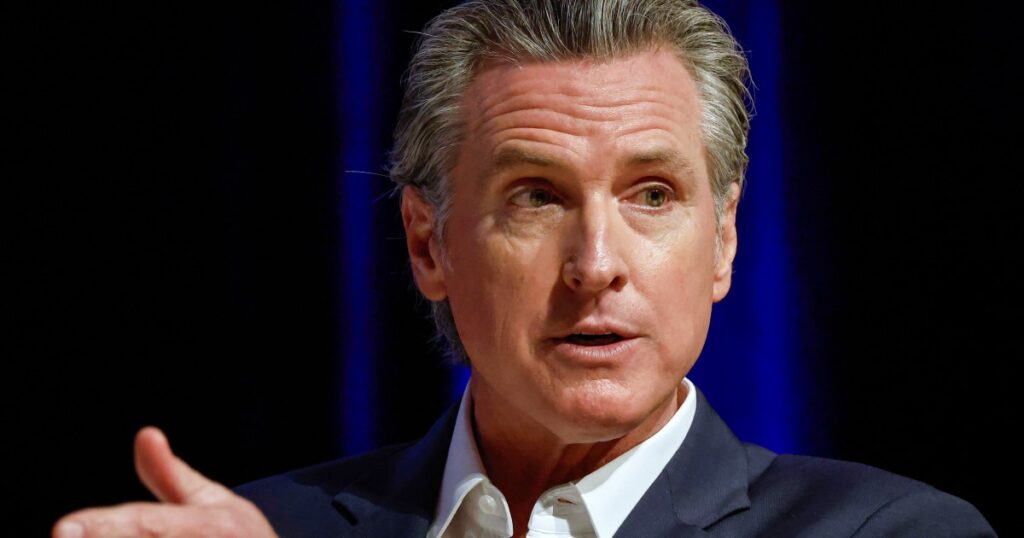
California Governor Gavin Newsom and Attorney General Rob Bonta have filed a lawsuit against the Trump administration, challenging the use of emergency powers to impose tariffs on U.S. trading partners. The lawsuit, submitted to the U.S. District Court for the Northern District of California, argues that former President Trump exceeded his authority under the International Emergency Economic Powers Act, infringing upon the constitutional separation of powers by bypassing necessary congressional approval. This legal action seeks to reinforce the requirement for congressional involvement in economic decisions, potentially impacting the balance of power between the executive and legislative branches regarding international trade policy.
Posts tagged as “1st Congressional District”
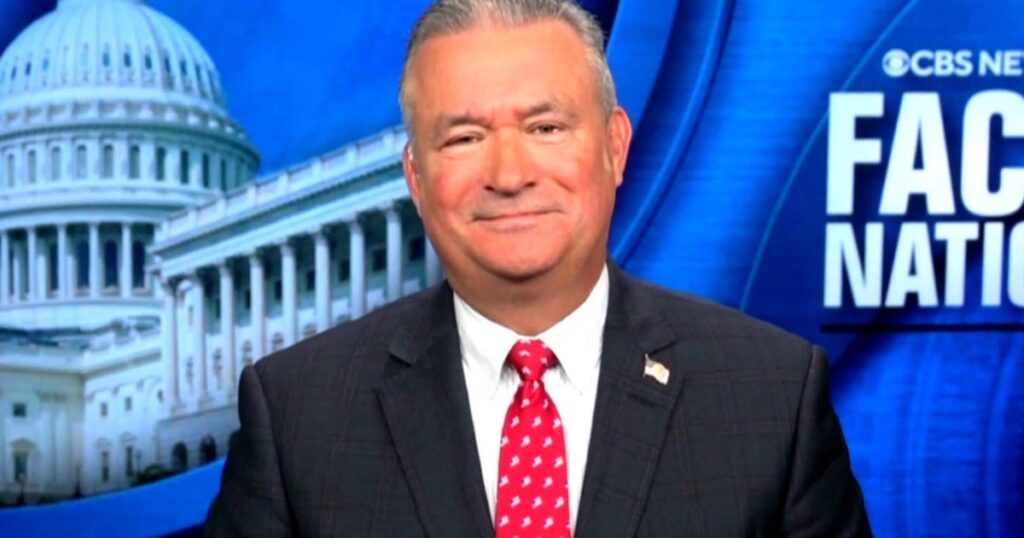
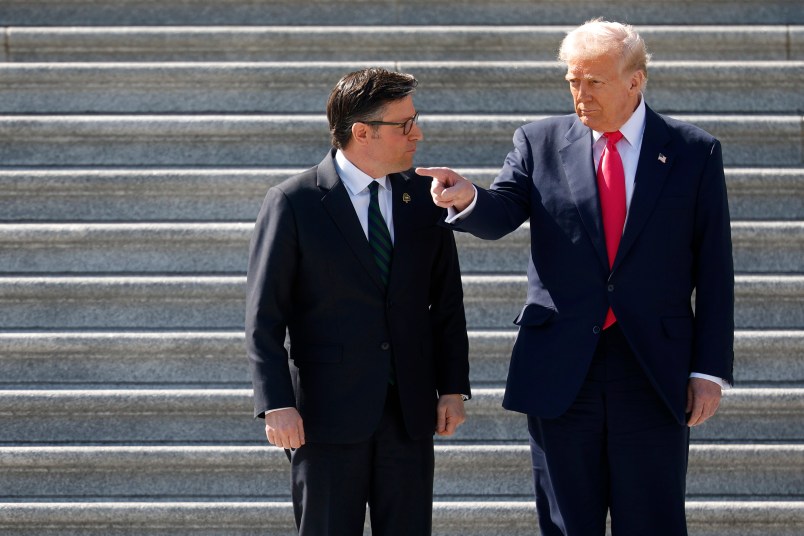
Rep. Don Bacon, a Republican from Nebraska, is advocating for a legislative proposal to restore congressional authority over tariffs, responding to concerns about the executive branch's overreach following President Trump's tariff implementations. This initiative parallels a similar Senate measure, highlighting bipartisan interest in re-evaluating the balance of power between Congress and the executive branch in trade policy. Despite growing support, House Speaker Mike Johnson opposes considering a Senate bill that would limit the President's unilateral tariff powers, reflecting ongoing debates about the separation of powers and congressional oversight in U.S. trade policy.
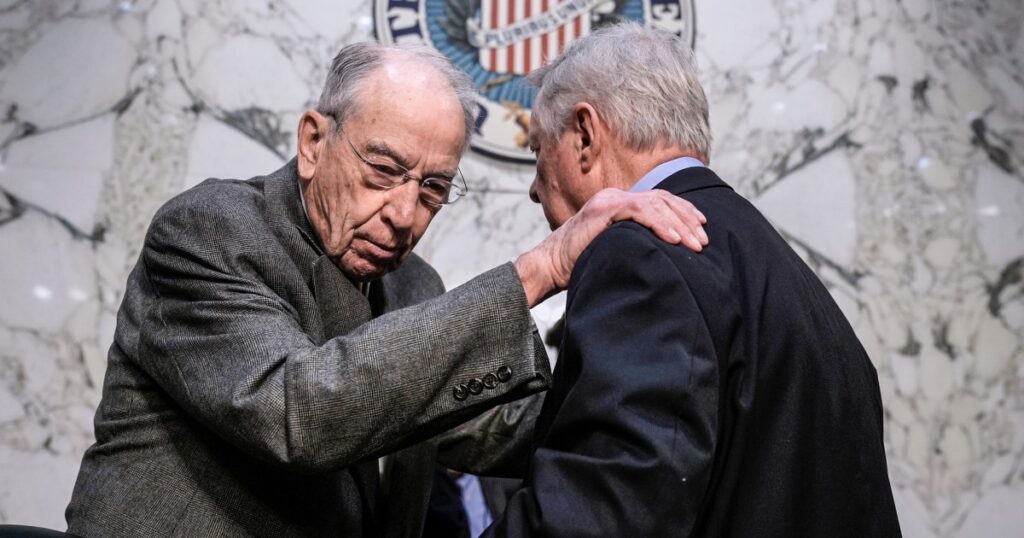
During a Senate Homeland Security and Governmental Affairs Committee hearing, Eric Ueland discussed the Trump administration's plan to propose a "rescission package" of government spending cuts, which has sparked debate over its constitutional validity. The proposed cuts have already faced legal challenges from conservative groups questioning their legal foundation, but the White House remains confident in its congressional support. Senator John Barrasso emphasized that the administration's intentions with the cuts are genuine and not merely a negotiation tactic, underscoring the complexities of federal budget management and the legal issues involved.
Lawmakers from both major U.S. political parties are actively working to address President Donald Trump's recent tariffs, with many Republicans joining Democrats in opposition due to concerns about their impact on the economy and global trade relationships. Critics argue that the tariffs represent a significant shift toward protectionist policies, potentially undermining established trade systems and echoing economic practices from the late 19th and early 20th centuries. In response, Congress is considering legislative measures to limit the executive branch's authority over such policies, highlighting bipartisan concern over the long-term consequences for domestic and international economic stability.
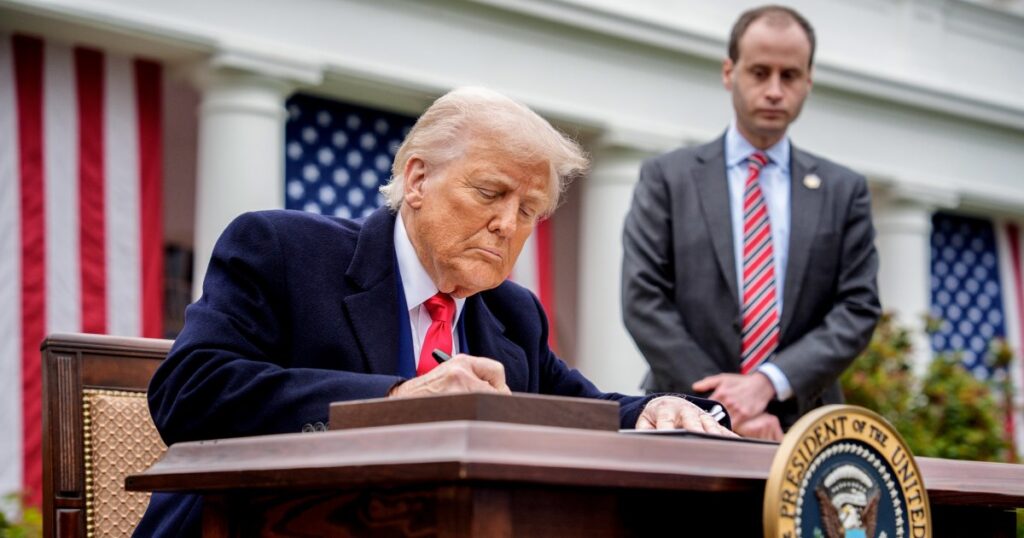
President Donald Trump's aggressive new tariffs have led to bipartisan concern in Congress, with lawmakers from both parties seeking to limit his tariff powers due to potential economic impacts. The Senate, with a Republican majority, has already voted to overturn tariffs on Canada, and further measures like the proposed Trade Review Act of 2025 aim to establish checks on the president's trade authority. As Congress explores additional strategies to counteract Trump's tariffs, financial markets have reacted with caution, highlighting the uncertainty surrounding U.S. trade policy and the ongoing debate over the balance of power between the executive and legislative branches.
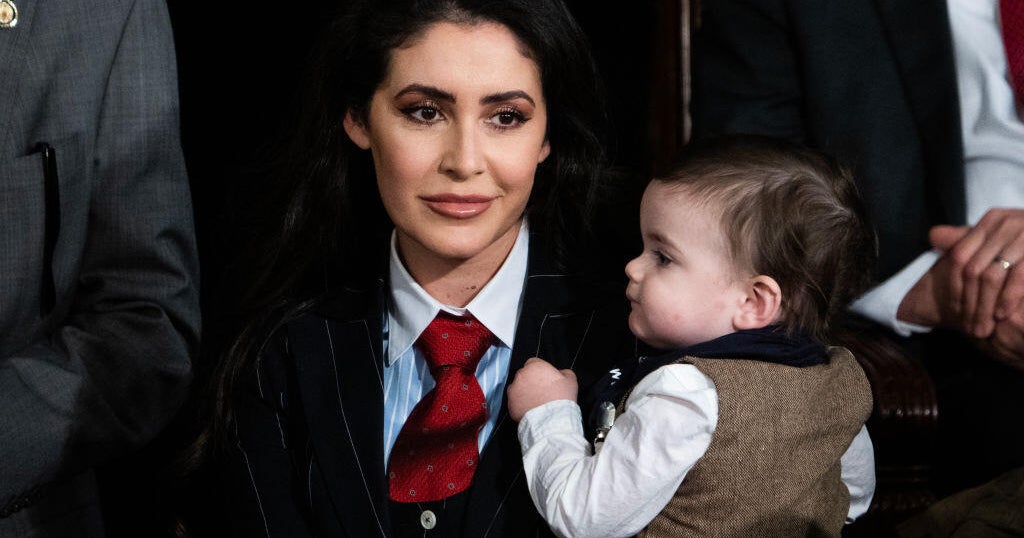
Oscar-winning director Oliver Stone is set to testify before Congress about newly released documents related to President John F. Kennedy's assassination, which have reignited public interest due to fewer redactions revealing sensitive information. Meanwhile, Republican Representative Anna Paulina Luna has initiated a discharge petition for a proposal allowing new parents in Congress to designate a colleague to vote on their behalf for up to 12 weeks, highlighting divisions within the House Freedom Caucus. These developments emphasize ongoing debates in Congress about transparency, privacy, and accommodating the evolving needs of lawmakers, reflecting broader discussions on government accountability and legislative modernization.
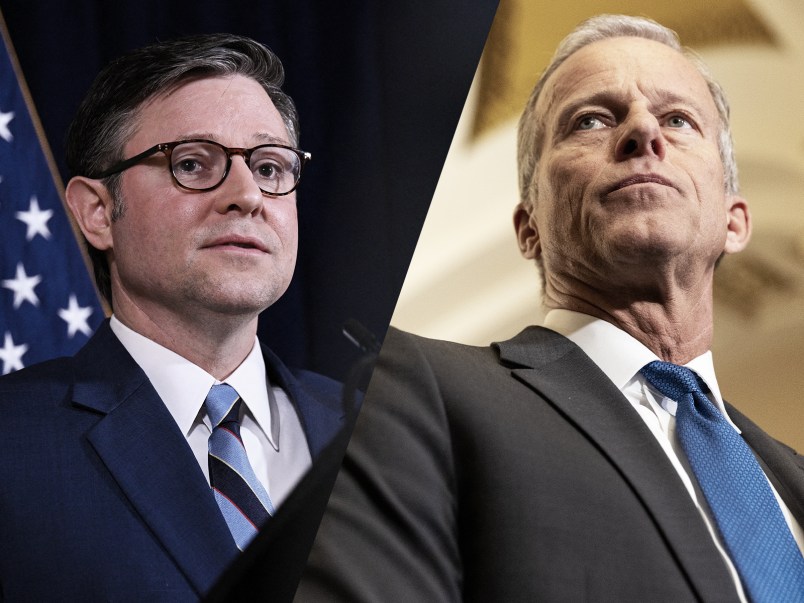
Republican lawmakers are deliberating the future of the 2017 tax cuts, with a key Senate decision pending that could allow these cuts to become permanent through the reconciliation process. The debate focuses on whether to use a "current policy" baseline to calculate the cost, potentially setting it at $0 and bypassing traditional budget negotiations, a move criticized for undermining Congress' budgetary authority. Democrats have limited involvement in these discussions, and the Congressional Budget Office estimates the extension would cost $4.6 trillion over the next decade, as Republicans aim to secure a budget resolution before the Easter recess to advance Trump's fiscal agenda.
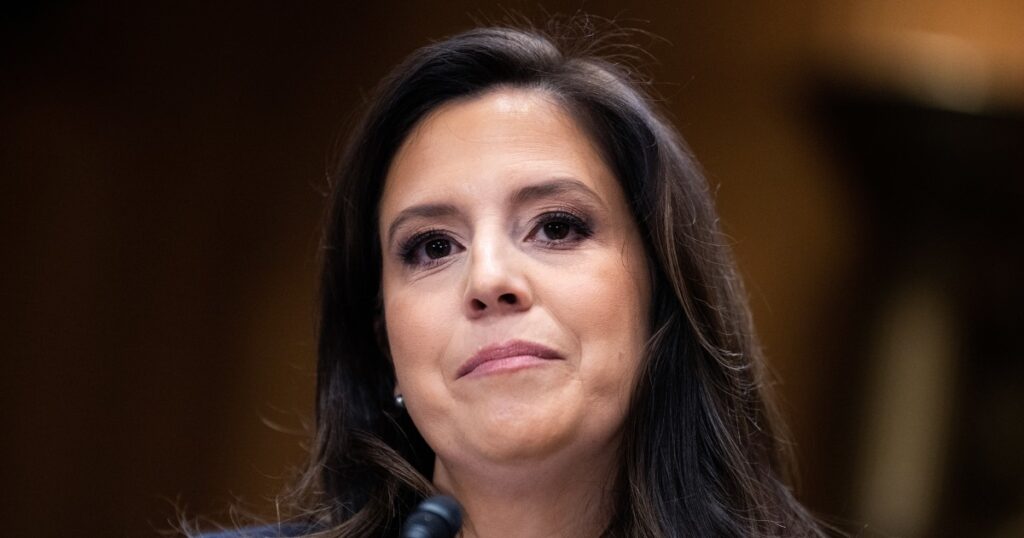
President Donald Trump has withdrawn the nomination of Representative Elise Stefanik for U.S. ambassador to the United Nations, asking her to continue her work in Congress due to the Republican Party's narrow majority in the House. This decision ends a two-month period of uncertainty for Stefanik, who is recognized for her loyalty to Trump and influence within the party. By keeping Stefanik in Congress, Trump aims to bolster Republican legislative efforts on key issues like tax cuts and border security, highlighting the strategic importance of her role in maintaining the party's legislative momentum.