
Speaker of the House Mike Johnson has suggested that Congress might consider eliminating certain federal courts, a proposal that has stirred significant reactions, particularly among House Democrats concerned about judicial independence. This suggestion aligns with efforts by Trump and his allies to challenge judicial decisions that have blocked the administration's policies, including calls for the impeachment of judges like U.S. District Judge James Boasberg. Critics argue that dissolving courts over disagreements with rulings threatens the balance of power and the judiciary's role in checking executive actions, raising concerns about the implications for the judicial system's independence.
Posts tagged as “1st Congressional District”
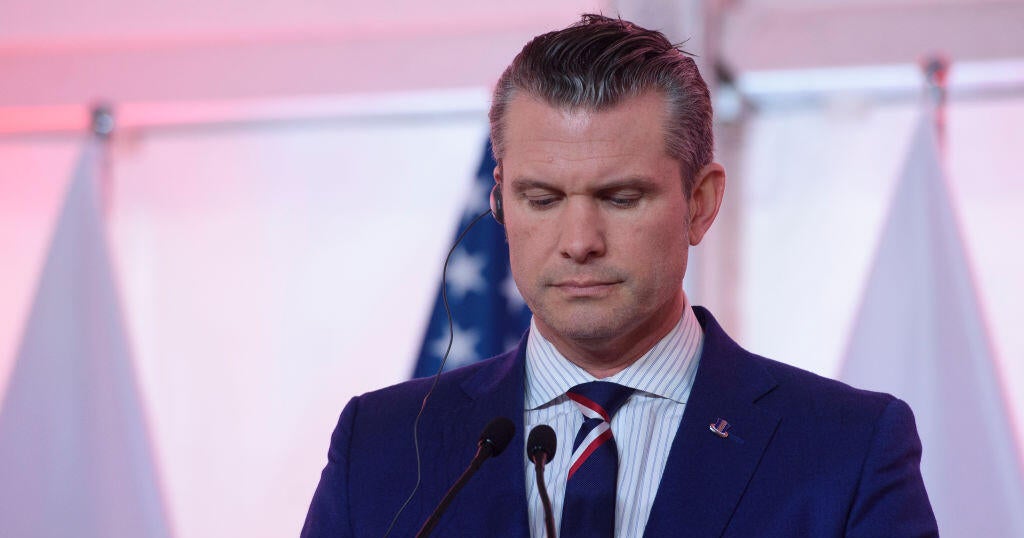
Controversy has erupted over the Trump administration's handling of sensitive military communications after The Atlantic reported that its editor was inadvertently included in a group chat discussing U.S. war plans in Yemen on Signal, an encrypted messaging app. This incident has drawn bipartisan criticism from lawmakers, with Democrats particularly vocal in demanding an investigation to prevent future breaches. The situation echoes past controversies over mishandling classified information, highlighting ongoing challenges in securing government communications and prompting calls for stricter security measures.
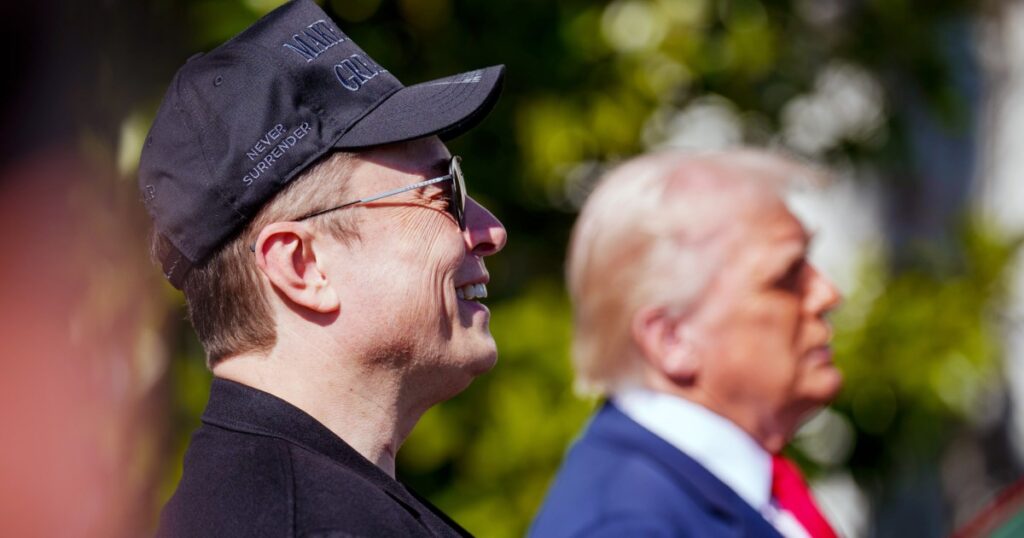
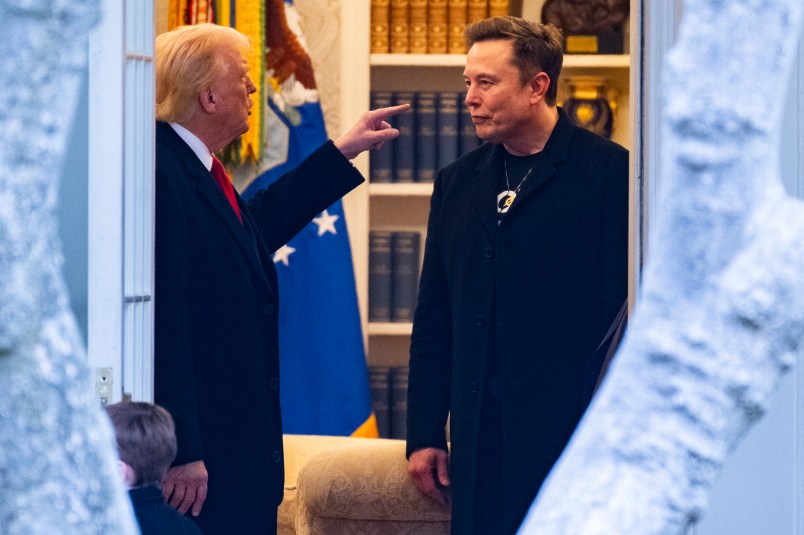
Billionaire Elon Musk has become a significant figure in the political landscape, particularly through his support for former President Donald Trump's administration and efforts to reshape federal bureaucracy. Musk's involvement includes founding a super PAC that is a major spender in the Wisconsin state Supreme Court election and advocating for the impeachment of federal judges who have blocked Trump's executive actions. Additionally, Musk has shown a willingness to financially support Trump loyalists in Congress, using his resources strategically to influence political outcomes and further his commitment to impacting U.S. governance.
U.S. District Judge Beryl Howell ruled against the immediate reinstatement of several board members dismissed from the U.S. Institute of Peace, despite expressing disapproval of the White House Department of Government Efficiency's approach. The case centers on the unique status of the Institute as an independent charitable corporation established by Congress, with Judge Howell citing legal precedent and determining that the board members were unlikely to succeed on the merits of their case. The controversy, sparked by termination notices sent by the White House under the Trump administration, underscores ongoing tensions between the executive branch and independent agencies, with potential implications for governance and executive power.
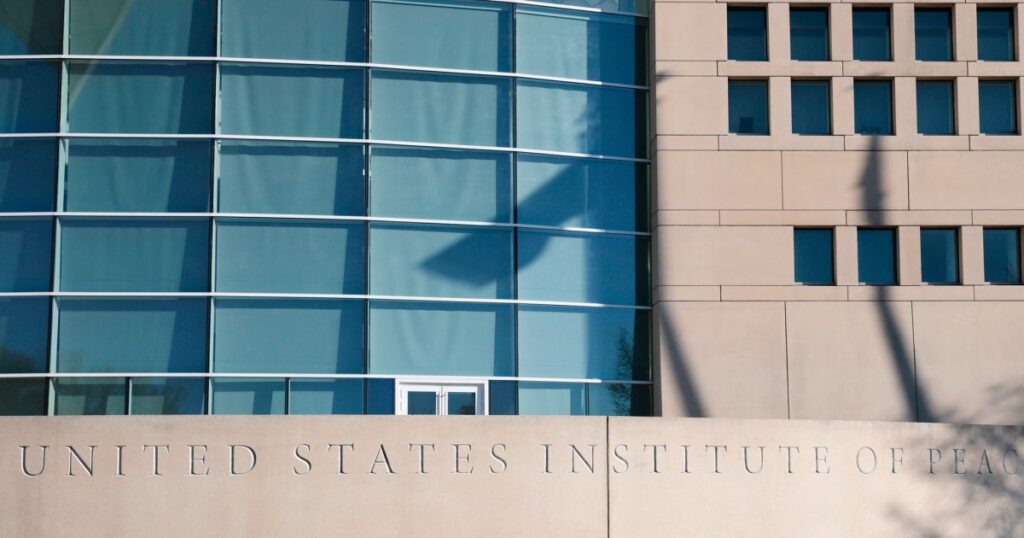
The United States Institute of Peace (USIP) has filed a lawsuit in federal court to prevent its forced shutdown, alleging a "takeover by force" involving the Department of Government Efficiency, the FBI, the Justice Department, and local police. The lawsuit names high-profile defendants, including Kenneth Jackson, Secretary of State Marco Rubio, and former President Donald Trump, accusing the Trump administration of attempting to unlawfully dismiss USIP President George Moose to exert undue influence over the organization. As the USIP seeks legal protection to continue its operations, the case underscores tensions between governmental bodies and independent organizations, with potential implications for the governance of similar entities.
The United States Institute of Peace (USIP) has filed a lawsuit to prevent its forced shutdown by the Department of Government Efficiency, alleging a "takeover by force" involving several government agencies. This legal action is part of a broader conflict between the Trump administration and the federal judiciary, highlighted by President Trump's call for the impeachment of a federal judge, which prompted a rare public defense of judicial independence by Chief Justice John Roberts. The outcome of the USIP's lawsuit could have significant implications for the autonomy of independent organizations and the balance of power between government branches.
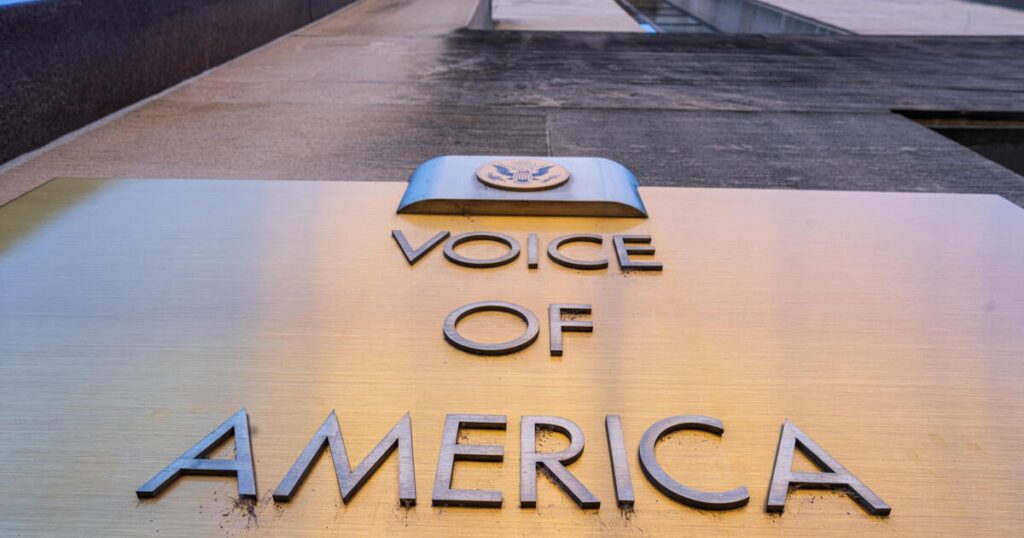
President Donald Trump signed an executive order aimed at reducing the operations of several federal agencies, including those overseeing government-funded media outlets, as part of a broader effort to streamline government functions and reduce bureaucracy. The order, issued after Congress passed its latest funding bill, targets lesser-known entities and directs them to operate only at the minimum level mandated by law, aligning with the President's campaign to restructure government operations without congressional approval. Implementation began on Saturday, focusing on Voice of America and other pro-democracy programming, with Kari Lake, a senior advisor, advising employees to check their email for further instructions, highlighting the administration's commitment to swiftly executing these changes.
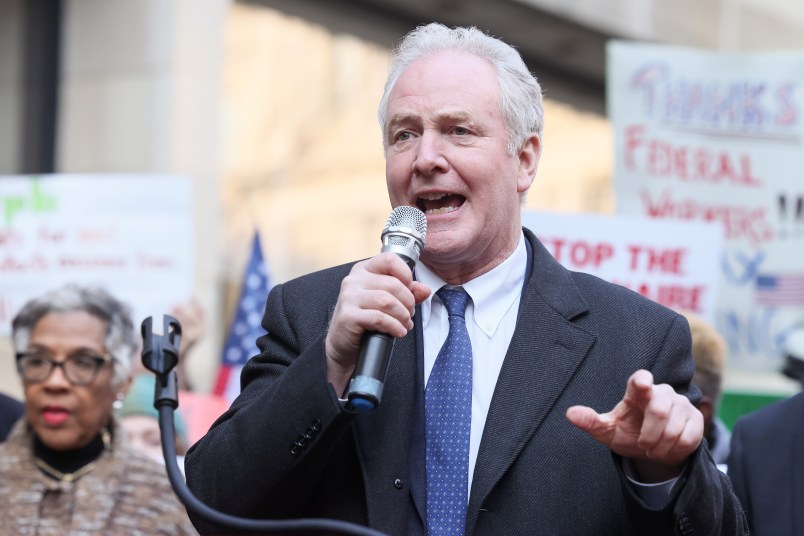
The United States Senate unanimously passed a bill to address a provision in recent government funding legislation that threatened to cut Washington, D.C.'s budget by approximately $1 billion. This bipartisan bill, introduced by Senators Susan Collins and Chris Van Hollen, allows the District to maintain its current level of local fund spending, countering the House Republican continuing resolution that had initially included the budget cuts. The swift passage of the bill highlights the urgency and bipartisan support to protect D.C.'s financial interests, ensuring the well-being of its residents amid ongoing budget negotiations.