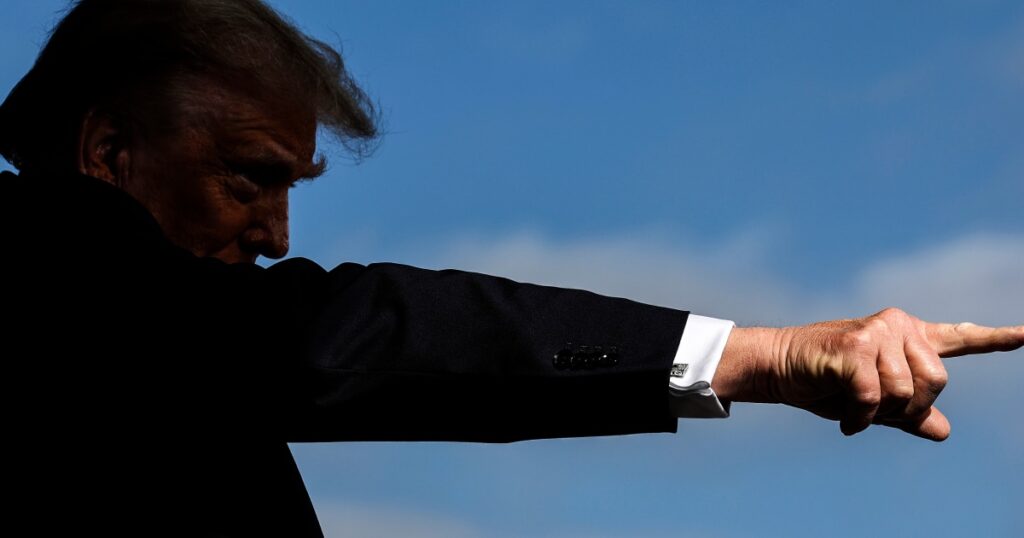
Allegations have emerged against Mr. Martin, a government official in the Trump Administration, accusing him of abusing his position to unlawfully target critics, potentially endangering public safety in Washington, D.C. In a related legal development, two judges have ordered the reinstatement of thousands of federal employees dismissed by the administration, marking a significant setback to its efforts to downsize the federal government. This situation, along with Mr. Martin's reported threats against critics, raises concerns about the administration's handling of dissent and its adherence to democratic principles.
Posts tagged as “1st Congressional District”
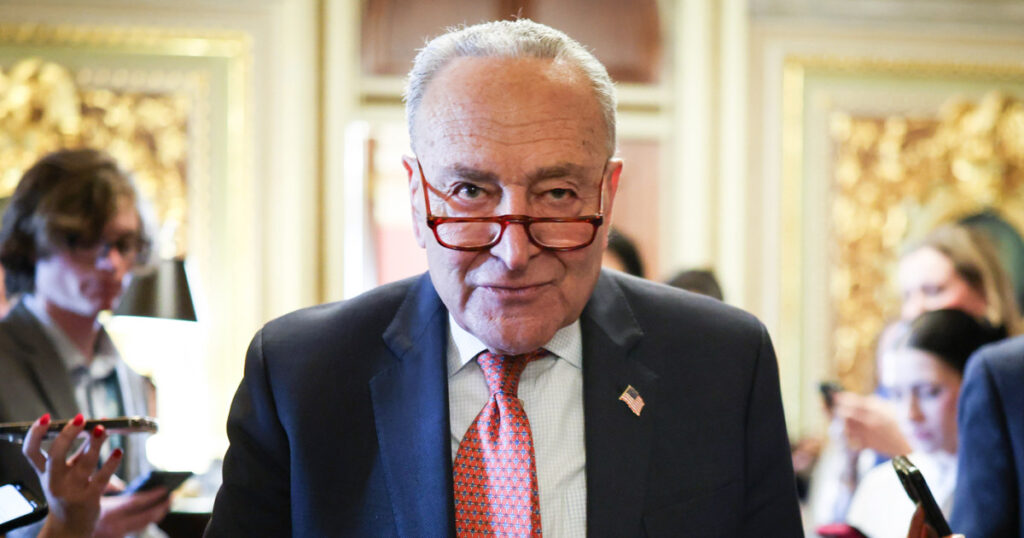
In a notable shift on Capitol Hill, Senate Majority Leader Chuck Schumer has decided to back a Republican-led continuing resolution aimed at preventing a government shutdown, despite facing opposition from within his party. This resolution, which has already cleared the House, proposes significant cuts to domestic spending, particularly affecting Washington D.C., and is expected to surpass the 60-vote threshold needed in the Senate. Schumer's decision underscores the strategic compromises often required in Congress to ensure governmental operations continue, with the outcome likely influencing domestic spending priorities and the political balance in Washington.
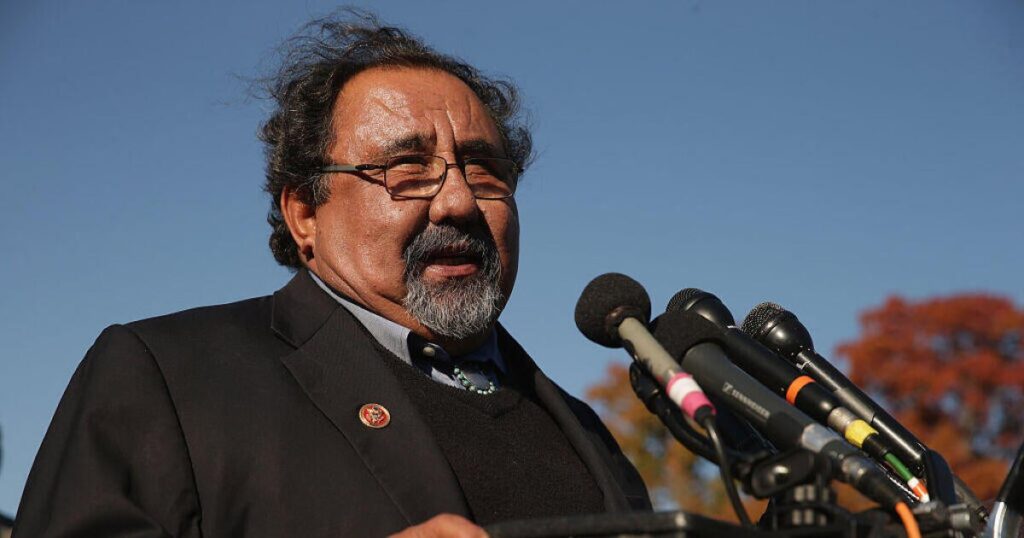
Longtime Representative Raúl M. Grijalva of Arizona passed away at 77 due to complications from cancer treatment, having publicly disclosed his diagnosis in April. Known for his progressive stance, Grijalva served as co-chair of the Congressional Progressive Caucus and was a fearless leader in environmental advocacy as chair of the Natural Resources Committee. His passing marks the end of a significant chapter in Arizona politics, with his contributions to progressive policies and environmental legislation leaving a lasting impact on Capitol Hill.

Two senior federal judges, Jeffrey Sutton and Richard Sullivan, have raised concerns about the increasing threats against the judiciary, emphasizing the potential risks to judicial independence and safety. Judge Sullivan highlighted the impact of budget cuts to the U.S. Marshals Service, which is crucial for protecting judges and courthouses, and stressed the importance of prioritizing judicial security. The judges also discussed the negative effects of political criticism and impeachment threats on the judiciary's role, underscoring the need for vigilance and support to maintain its integrity and independence.
Congress Races to Prevent Government Shutdown Amid DOJ Shakeup and Rising Saudi Diplomatic Influence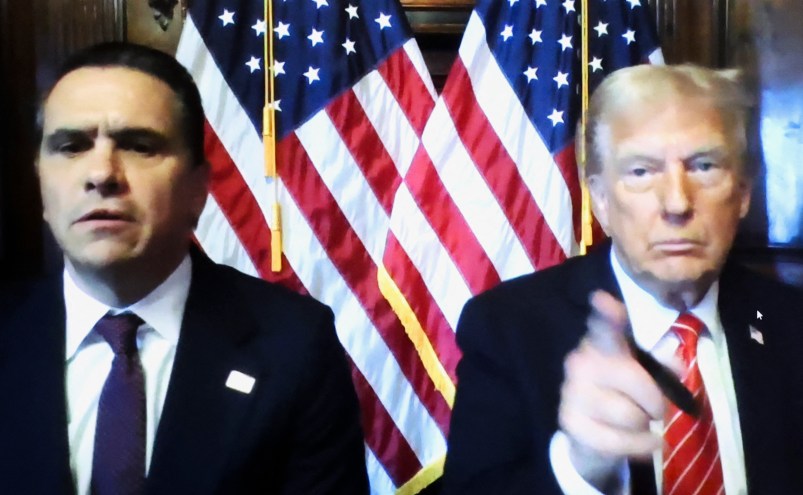
Congress Races to Prevent Government Shutdown Amid DOJ Shakeup and Rising Saudi Diplomatic Influence
Congress is actively working to prevent a government shutdown as the deadline for funding approaches, highlighting the potential impacts on government services and employees. Concurrently, the Department of Justice is undergoing significant changes under the Trump administration, with dismissals of senior officials suggesting a consolidation of control aligned with White House objectives, raising concerns about the DOJ's independence. On the international stage, Secretary of State Marco Rubio and Ukrainian President Volodymyr Zelenskyy's upcoming visit to Saudi Arabia underscores the country's growing influence in global diplomacy.
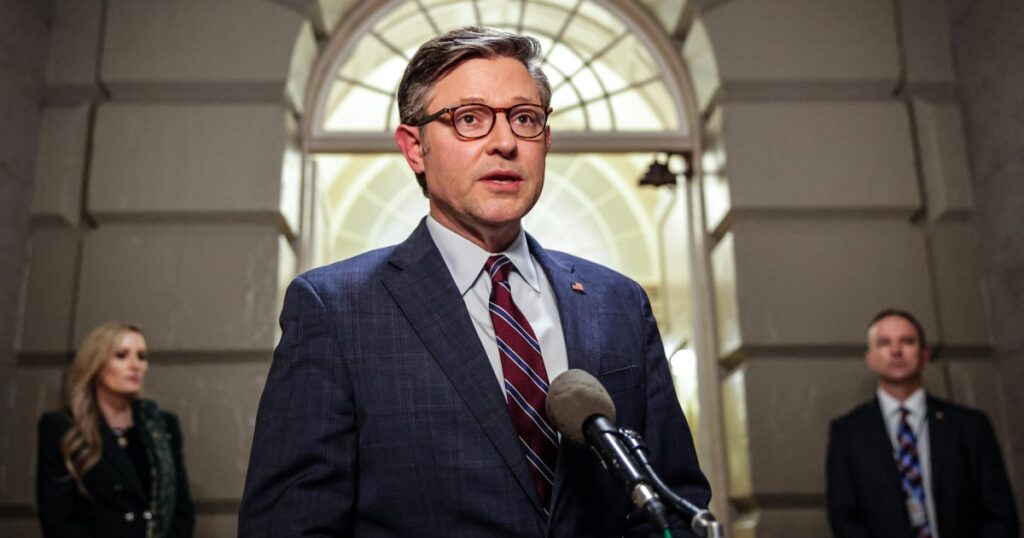
In a period of heightened tensions over the separation of powers, House Republicans have introduced a funding proposal to extend government funding until the end of fiscal year 2025, amidst significant spending cuts by Elon Musk's executive branch entity, DOGE. The proposed continuing resolution seeks to maintain government operations beyond the looming deadline, requiring a simple majority in the House and support from at least 60 senators to overcome a potential filibuster. With a government shutdown deadline approaching, House Speaker Mike Johnson is pushing for a vote on a six-month funding extension, facing criticism from Democrats for its military spending focus and exclusion from negotiations.
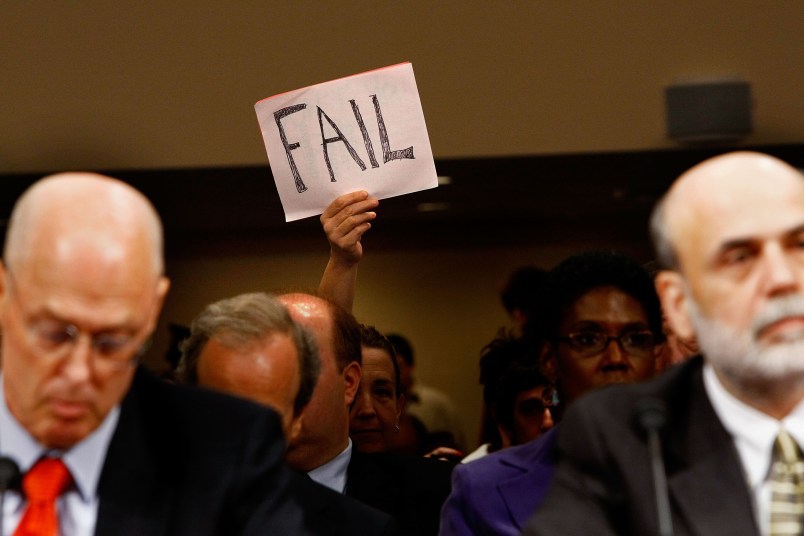
Senator Elissa Slotkin, a Democrat from Michigan, plans to withhold her vote on government funding unless the Trump administration assures that allocated funds will be spent according to congressional intent, highlighting concerns over executive overreach. As the deadline for a potential government shutdown approaches, the Senate faces a significant challenge, requiring bipartisan support to pass a continuing resolution, which emphasizes Congress's constitutional role in controlling government spending. This situation underscores the tension between the legislative and executive branches and the importance of congressional oversight, with the outcome impacting government operations and setting a precedent for future negotiations.
Republican senators have raised concerns about budget cuts proposed by Elon Musk, emphasizing the potential human and political consequences, and have engaged in discussions with Musk, who assured them that any cuts would require congressional approval. Concurrently, Justice Samuel Alito issued a strong dissent regarding a court ruling on a $2 billion payment for completed work, highlighting tensions over government financial obligations. Additionally, Secretary of State Marco Rubio and Transportation Secretary Sean Duffy criticized Musk for recent employee terminations, reflecting broader debates over the impact of cost-cutting measures on government operations, while a controversial Supreme Court decision has sparked backlash against Justice Amy Coney Barrett from conservative circles.