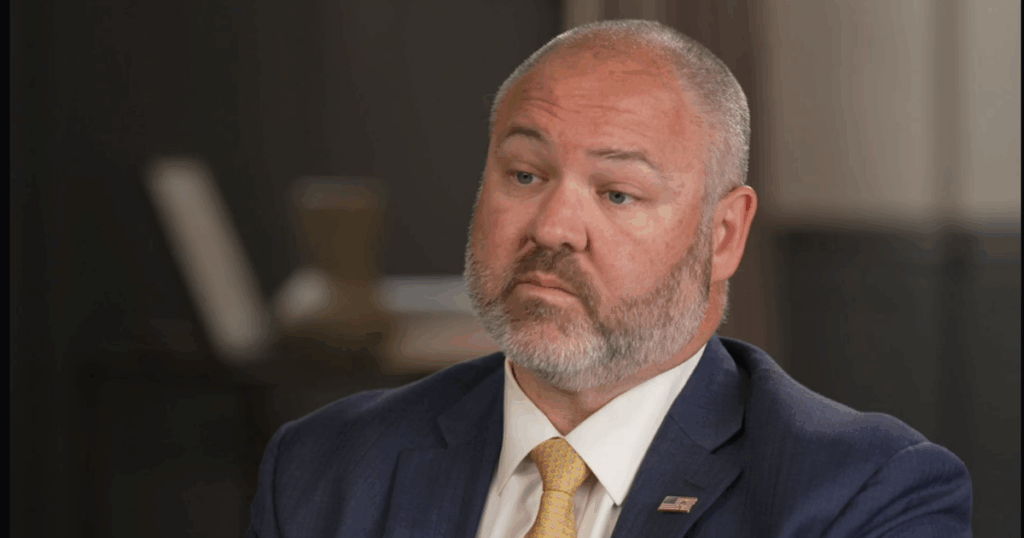
Gary Shapley was replaced as acting commissioner of the IRS just 48 hours after his appointment, following concerns from Treasury Secretary Scott Bessent that Shapley was appointed without President Trump's knowledge and possibly influenced by Elon Musk. Shapley, who succeeded Melanie Krause after her resignation, is expected to continue advising Secretary Bessent despite his brief tenure. The IRS leadership remains uncertain as President Trump's nominee, Billy Long, awaits Senate confirmation amid whistleblower allegations related to President Biden.
Posts published in “Politics”
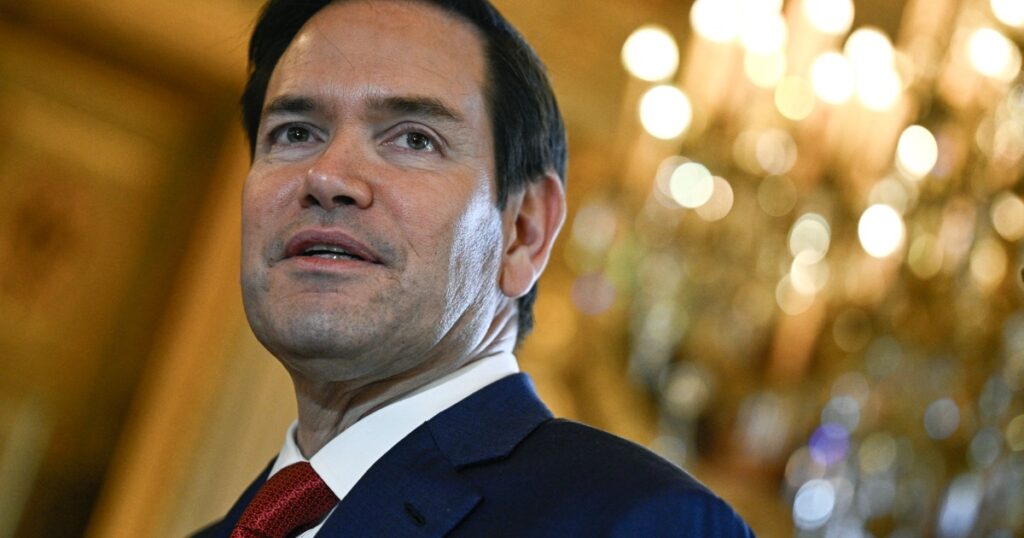
U.S. Secretary of State Marco Rubio announced that the United States might soon reassess its involvement in peace talks between Russia and Ukraine if significant progress is not made, emphasizing the urgency of reaching a decision within days. This statement reflects growing impatience within the U.S. administration, which has been actively seeking a resolution since President Donald Trump took office, but has yet to achieve the desired outcome despite various diplomatic efforts. The potential shift in U.S. strategy represents a critical moment in the international response to the conflict, with the coming days being crucial in determining the success of current diplomatic initiatives or the need for a new approach.
Judge J. Harvie Wilkinson III, previously considered a potential nominee for Chief Justice by President George W. Bush, has become a vocal critic of the perceived erosion of constitutional order in the United States, despite his conservative background. His critique is set against the backdrop of a controversial deportation case involving Kilmar Abrego Garcia, which has exposed divisions within the Democratic Party regarding President Trump's immigration policies. Wilkinson's recent opinion for the Fourth Circuit Court of Appeals, rejecting a Trump administration position, highlights the complexities of the current legal and political landscape and the shifting nature of political alliances.

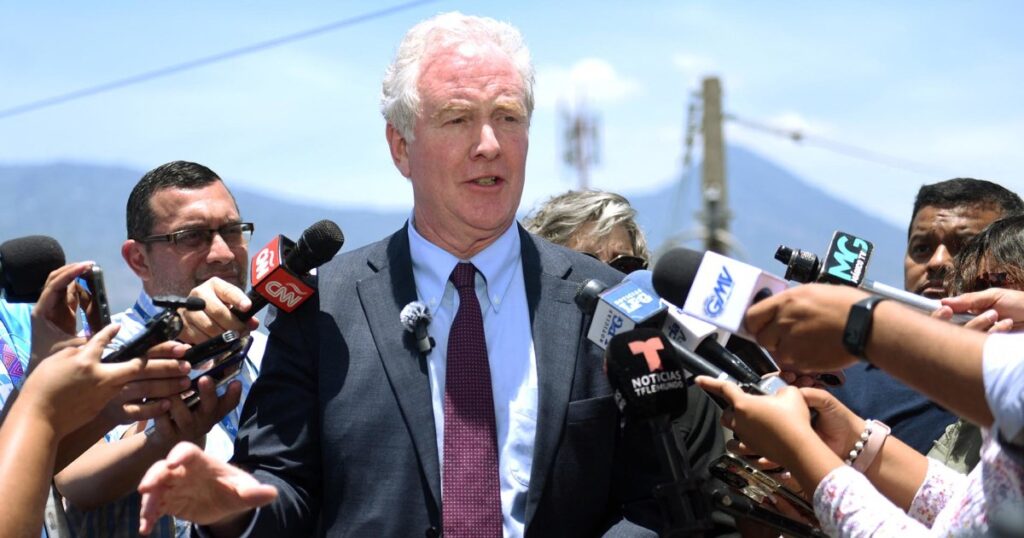
Juan Carlos Gomez-Lopez, a U.S.-born citizen, was detained in Florida at the request of immigration authorities despite a court confirming his citizenship, highlighting issues in immigration enforcement practices. His arrest under a state immigration law, which is currently blocked, has drawn attention to the potential for administrative errors to affect individuals' lives. In a related incident, Maryland Senator Chris Van Hollen was denied access at a military checkpoint in El Salvador while attempting to address the wrongful deportation of Kilmar Abrego Garcia, underscoring the complexities of international immigration issues and the impact of administrative mistakes.
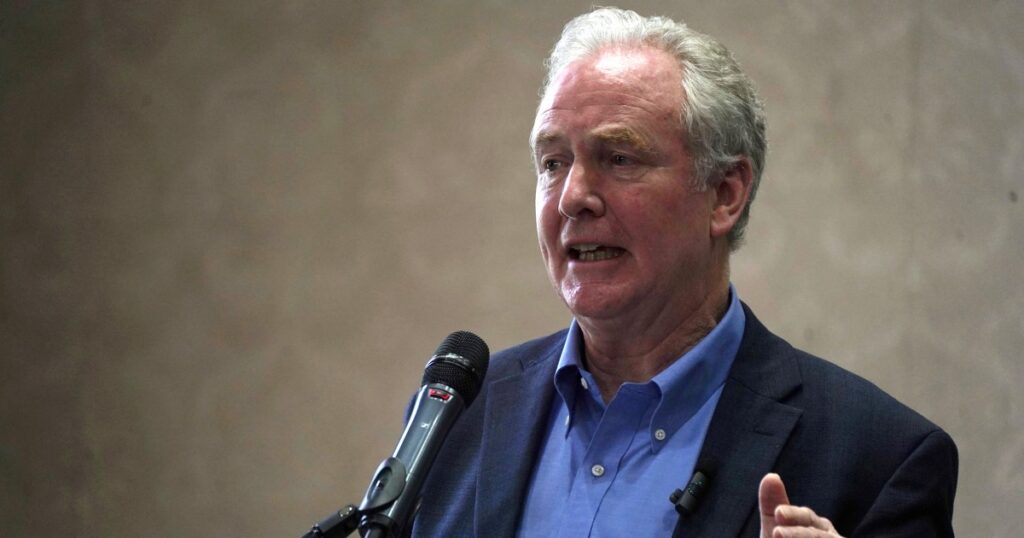
Senator Chris Van Hollen of Maryland met with Kilmar Abrego Garcia in El Salvador to address his mistaken deportation from the United States during the Trump administration. The meeting, highlighted by Salvadoran President Nayib Bukele's online posts, is part of Van Hollen's efforts to advocate for Abrego Garcia's return, despite Bukele stating he lacks the authority to authorize it. This case underscores ongoing diplomatic discussions between the U.S. and El Salvador, with Van Hollen actively communicating with Abrego Garcia's family to provide support and emphasize the human aspect of the situation.
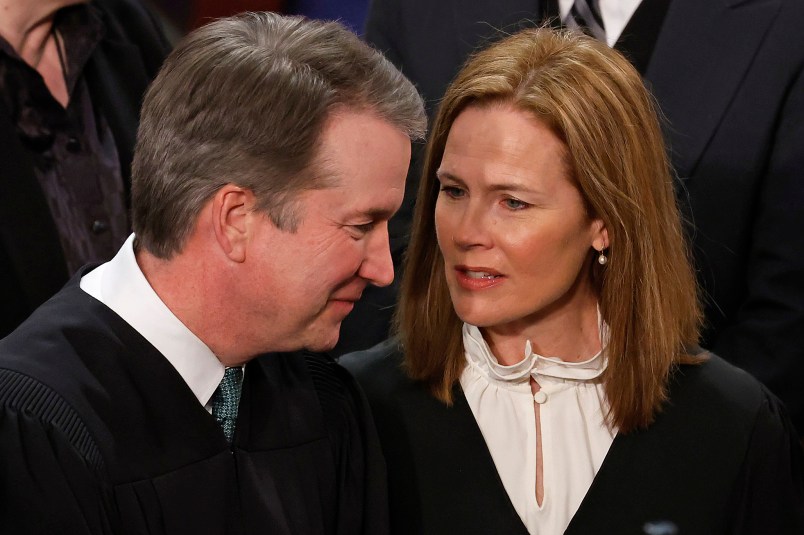
The Supreme Court will hear oral arguments on May 15 regarding the authority of judges to issue nationwide injunctions, following an emergency request from the Trump administration seeking to limit such judicial actions. This case is significant as it could impact the balance of power between the judiciary and the executive branch, determining the extent to which judges can intervene in nationwide policy decisions. Concurrently, speculation about President Trump's dissatisfaction with Federal Reserve Chair Jerome Powell highlights the complexities of governance and the challenges the administration faces in implementing its policies.

A federal appeals court has denied the Trump administration's attempt to halt an order mandating the return of Kilmar Abrego Garcia, a mistakenly deported Maryland resident, emphasizing the importance of due process. The U.S. Court of Appeals for the 4th Circuit criticized the administration's actions, highlighting tensions between its immigration policies and the judicial system's commitment to legal rights. The ruling underscores broader issues with deportation procedures and serves as a reminder of the judiciary's role in upholding constitutional principles amid ongoing immigration policy debates.

Rümeysa Öztürk, a Turkish graduate student at Tufts University, remains in federal detention after an immigration judge denied her bond following the revocation of her visa, a situation her attorneys argue is linked to an op-ed she co-authored about the Gaza conflict. Her legal team claims that her arrest and visa revocation were retaliatory actions infringing on her constitutional rights, and they are seeking her release or transfer to Vermont for further legal intervention. The case highlights broader issues of immigration enforcement and academic freedom, with potential implications for international students expressing views on sensitive topics in the United States.