
Rümeysa Öztürk, a Turkish graduate student at Tufts University, remains in federal detention after an immigration judge denied her bond following the revocation of her visa, a situation her attorneys argue is linked to an op-ed she co-authored about the Gaza conflict. Her legal team claims that her arrest and visa revocation were retaliatory actions infringing on her constitutional rights, and they are seeking her release or transfer to Vermont for further legal intervention. The case highlights broader issues of immigration enforcement and academic freedom, with potential implications for international students expressing views on sensitive topics in the United States.
Posts published in “Politics”

The Trump administration has released documents to support its claim that Kilmar Abrego Garcia, recently deported to a mega-prison in El Salvador, was affiliated with the MS-13 gang, amid ongoing controversy. U.S. District Judge James Boasberg ruled against the administration, suggesting potential criminal contempt of court for violating a deportation block, thereby intensifying the constitutional debate between the executive branch and the judiciary. The case, described as an "administrative error" by a government lawyer, has highlighted the complexities of immigration enforcement and judicial oversight, drawing significant public attention.
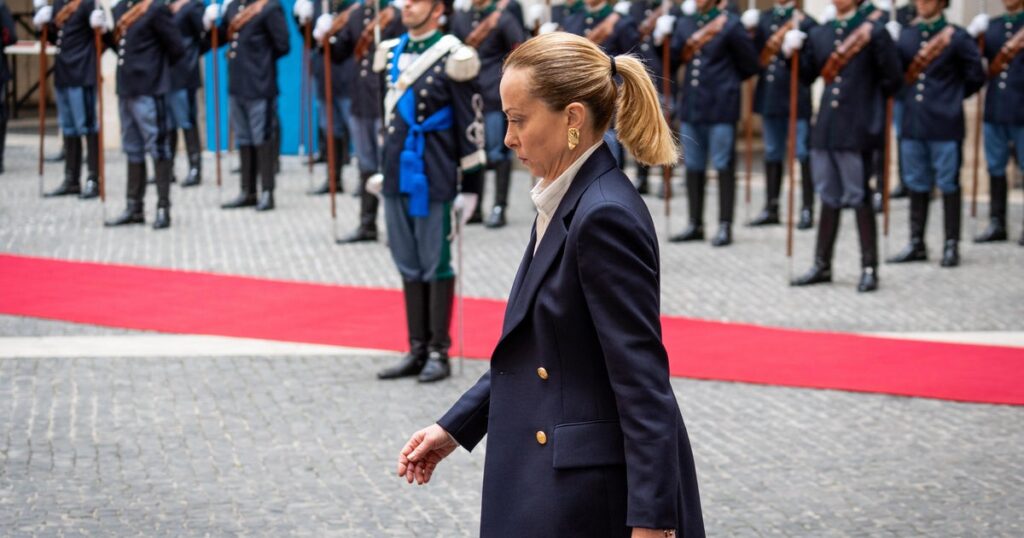
Italian Prime Minister Giorgia Meloni is set to meet with U.S. President Donald Trump to address rising tensions over newly announced U.S. tariffs on European imports, marking her as the first European leader to engage diplomatically since the tariffs were declared. European leaders hope Meloni can mediate between the Trump administration and the EU, leveraging her rapport with Trump and her prominence as a leader of the right-wing populist Brothers of Italy party. The stakes are high, as the EU seeks to avoid a trade war that could destabilize its economy, making Meloni's diplomatic efforts crucial in potentially reshaping U.S.-EU relations.
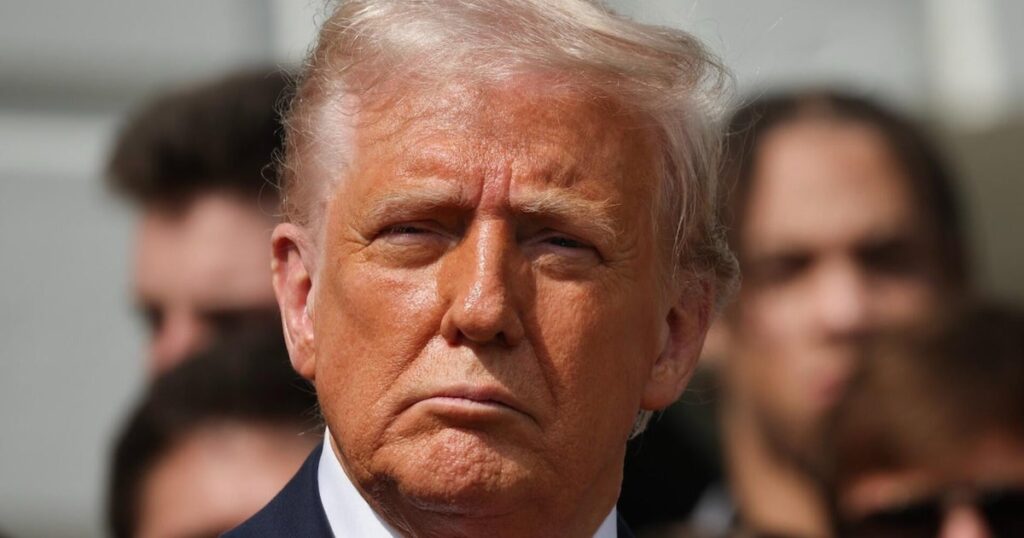
D.C. Chief Judge James Boasberg issued a 46-page opinion criticizing the Trump administration for using the Alien Enemies Act of 1798 to deport over 100 Venezuelans to El Salvador, accusing them of ignoring court orders and depriving individuals of due process. Boasberg highlighted the administration's use of rarely invoked wartime powers to justify these deportations and expressed concern over efforts to minimize judicial intervention. He warned of potential legal consequences, including hearings and criminal charges, if the administration does not change its course, emphasizing the gravity of the situation and raising questions about the balance of power between the executive branch and the judiciary.

The second administration of President Donald Trump has elicited strong reactions, particularly among progressive groups, due to controversial policies like deportations to a facility in El Salvador known for its harsh conditions. This has led to increased fundraising among anti-Trump progressives, although not to the extent seen during his first term. Meanwhile, Democratic opponents have reported significant financial gains, which are crucial for their continued efforts to challenge the administration's actions, as highlighted by ongoing debates over immigration decisions.
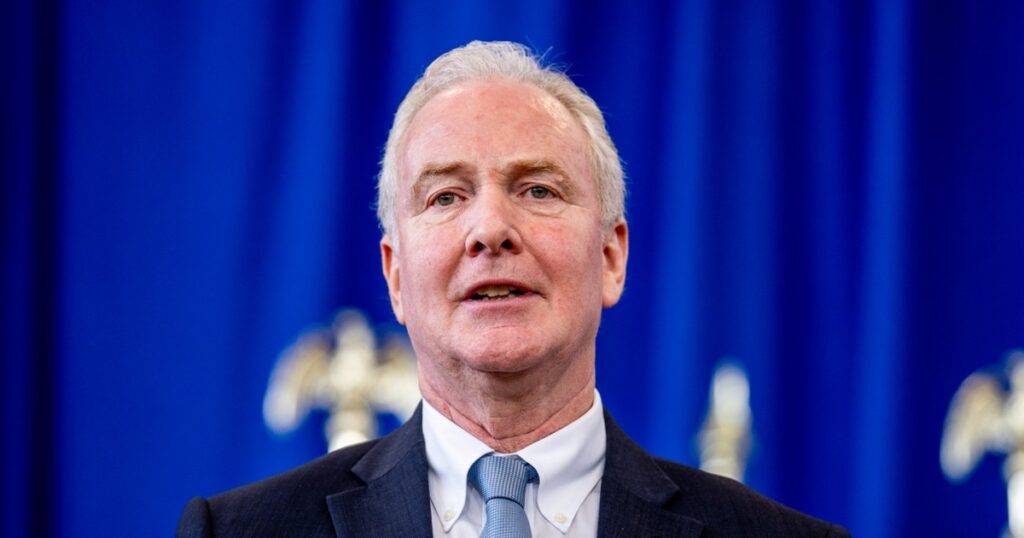
Senator Chris Van Hollen of Maryland traveled to El Salvador to address the situation of Kilmar Abrego Garcia, a Maryland resident mistakenly deported by the Trump administration, aiming to assess his well-being and engage with Salvadoran officials. Despite his efforts, Van Hollen was denied a meeting or phone call with Abrego Garcia, who is currently held in a Salvadoran prison, highlighting the diplomatic challenges involved. The case has seen multiple U.S. court proceedings, with a federal judge and the Supreme Court ordering Abrego Garcia's return, yet the situation remains unresolved, prompting the senator's intervention.

California Governor Gavin Newsom and Attorney General Rob Bonta have filed a lawsuit against the Trump administration, challenging the use of emergency powers to impose tariffs on U.S. trading partners. The lawsuit, submitted to the U.S. District Court for the Northern District of California, argues that former President Trump exceeded his authority under the International Emergency Economic Powers Act, infringing upon the constitutional separation of powers by bypassing necessary congressional approval. This legal action seeks to reinforce the requirement for congressional involvement in economic decisions, potentially impacting the balance of power between the executive and legislative branches regarding international trade policy.
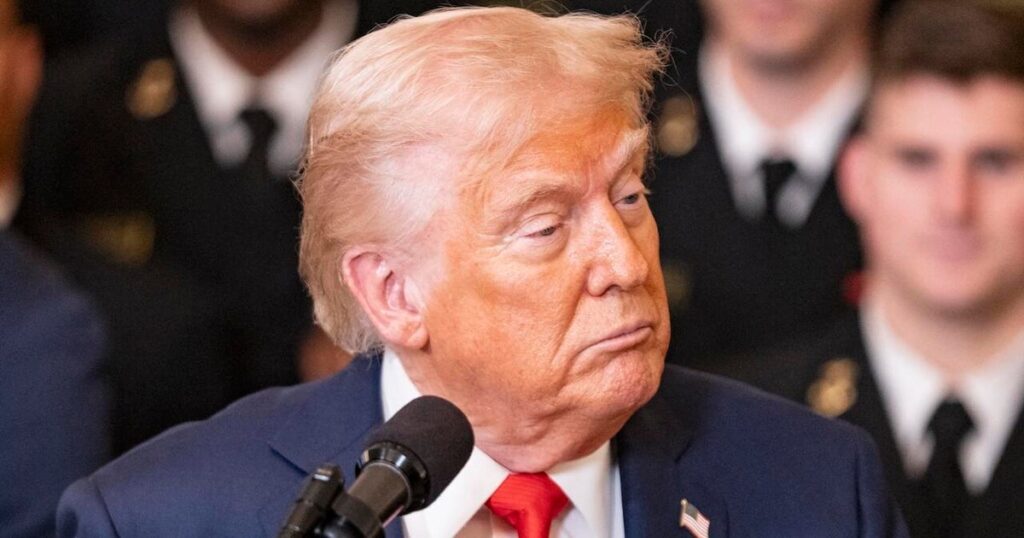
A federal judge has found probable cause to hold the Trump administration in criminal contempt for not complying with a court order regarding the transportation of Venezuelan migrants, citing the administration's use of the Alien Enemies Act to justify the transfers. D.C. Chief Judge James Boasberg's ruling demands compliance with the initial directive by April 23 or the identification of individuals within the administration who could face sanctions, highlighting a "willful disregard" for the court's authority. This decision intensifies the legal challenges surrounding the administration's immigration policies and could result in further consequences depending on the government's response.