Key takeaways:
- Pope Leo XIV called migration a “momentous challenge” and urged Europe to “receive, protect, support and integrate migrants.”
- More than 1,400 people have died or gone missing in the Mediterranean this year, including 28 children, according to the International Organization for Migration.
- Al Jazeera reported that more than 14,000 migrants have reached Italy by sea this year, with more than half landing in Lampedusa.
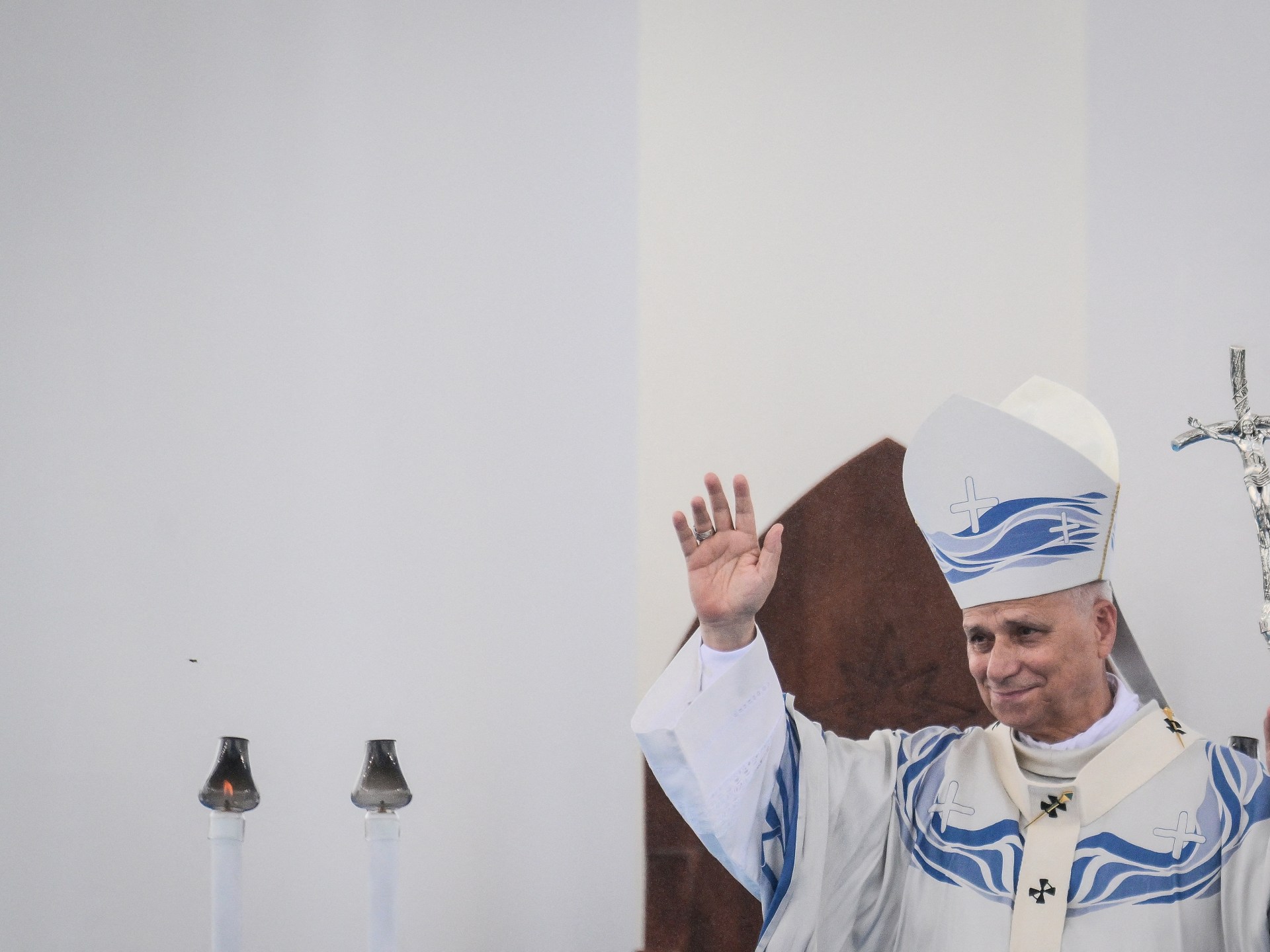
Pope Leo XIV urged European leaders to respond more fully to migration on Saturday, using a visit to the Italian island of Lampedusa to call for stronger protection, better integration and more support for the countries people leave behind.
The pope made the appeal during Mass on the island, a major arrival point for people crossing the central Mediterranean from North Africa. He described migration as a “momentous challenge” for European societies but said Europe had the ability to meet it with both immediate action and long-term planning.
“Europe is capable of addressing the crisis in this region in a comprehensive manner,” he said, calling for relief efforts to be matched with a strategy to “receive, protect, support and integrate migrants” while “assisting developing countries so that no one is forced to emigrate.”
Lampedusa, about 90 miles, or 145km, off Tunisia’s coast and closer to Tunisia than mainland Italy, has long been at the centre of Europe’s migration debate. The island receives thousands of people rescued after the dangerous sea crossing, many of them travelling in overcrowded and poorly maintained boats. Its migrant reception centre has been described as overcrowded, with difficult living conditions.
The pope began his visit by praying at a cemetery where migrants who died at sea are buried. He later stood at the “Door of Europe” memorial, which honours those who perished attempting the crossing, and spoke with a migrant family. Al Jazeera reported that he also blessed a plaque renaming a migrant arrival pier after Pope Francis, who visited Lampedusa in 2013 on his first trip outside Rome after becoming pontiff.
“Those who have lost their lives in this sea are victims both of decisions that were made and of decisions that were not made,” Pope Leo said. Al Jazeera quoted him as saying the deaths were the result of “choices made and unmade.”
More than 1,400 people have died or gone missing while attempting to cross the Mediterranean this year, including 28 children, according to the UN’s International Organization for Migration. More than 14,000 migrants have reached Italy by sea so far this year, according to the United Nations refugee agency, with more than half landing in Lampedusa, Al Jazeera reported.
New migrants, rescue officials, aid workers and members of the Italian Coast Guard were among those who gathered to see the pope. He told them he “continues to accompany you, support you and encourage you.”
“The pope’s visit speaks to every one of us,” Kandeh Abdourahman, a migrant who arrived in Lampedusa in 2015, told Reuters. Abdourahman, now a cultural mediator with the International Rescue Committee, called it “a reminder that our stories are seen, that welcome is not just a word but an act of humanity.”
The visit came two weeks after the European Union approved tougher migration rules allowing stricter border controls and broader detention powers, the BBC reported. Governments in Europe and the United States have increasingly emphasized border controls, detention, deportations and deterrence measures aimed at undocumented migration.
Since becoming head of the Catholic Church in May 2025, Pope Leo has repeatedly called for greater support for migrants and criticised anti-migrant policies. In a separate letter to Americans marking the 250th anniversary of US independence, the first US-born pope said the Catholic value of defending life includes “welcoming, protecting and assisting immigrants.”
He wrote that “immigrants’ sacrifices and contributions have shaped the nation’s history” and said receiving them “with compassion and generosity is not only an act of charity, but also a recognition of the dignity that belongs to every human person.”



Be First to Comment