Key takeaways:
- St Petersburg officials confirmed an oil terminal in the city’s Kirovsky district was hit during what they called a massive Ukrainian drone attack, with no casualties reported.
- Ukraine said the strikes also targeted the Kronstadt naval base and claimed 42.74% of Russia’s oil refining capacity had been disabled, a figure the BBC said has not been independently verified.
- Ukraine denied Russia’s claim that it controls Kostyantynivka, saying the eastern town remains under Ukrainian defence forces despite small-group infiltrations.
Ukraine struck a major oil terminal in St Petersburg overnight, President Volodymyr Zelenskyy said Saturday, as Kyiv expanded its long-range drone campaign against Russian energy and military infrastructure hundreds of miles from the front line.
Zelenskyy described the site as infrastructure that “generates revenue for Russia’s war” and said Ukrainian forces also hit the Kronstadt naval base, a key facility for Russia’s Baltic Fleet. He said the targets in St Petersburg and the surrounding region were about 850km, or 528 miles, from Ukraine’s border. Al Jazeera reported the operation took place about 900km, or 560 miles, from Ukrainian-held territory.
St Petersburg Governor Alexander Beglov said the city was under a “massive” drone attack and confirmed that an oil terminal in the Kirovsky district had been hit. He reported no casualties. Beglov said one drone crashed on the grounds of the 18th-century Peterhof Palace complex, while regional officials said debris struck an oil terminal, a nearby port and the palace complex.
The BBC said it later verified that St Petersburg’s oil terminal was hit. Ukraine’s military described the facility as “one of the largest” in Russia, with capacity to produce 12.5 million tonnes of petroleum products a year.
Russian officials said air defences shot down 72 Ukrainian drones over St Petersburg and the wider Leningrad region. Leningrad region Governor Alexander Drozdenko said debris fell near the port of Vysotsk, close to the Finnish border, without providing a casualty toll. Russia’s Ministry of Defence said 389 Ukrainian drones were intercepted overnight nationwide, according to Al Jazeera, while confirming strikes only in the wider Leningrad region.
The attack caused disruptions in and around Russia’s second-largest city, home to more than five million people. Authorities briefly halted flights at Pulkovo Airport and restricted mobile internet services, measures Al Jazeera said were aimed at disrupting drone navigation systems. Beglov urged residents to stay indoors until the drone threat was lifted and warned that mobile internet could be disrupted.
Ukraine has intensified strikes on Russian oil and gas facilities, saying they are legitimate targets because Moscow relies on fossil fuel exports to fund its full-scale invasion, launched in February 2022. Ukraine’s General Staff said its attacks had disabled 42.74% of Russia’s oil refining capacity as of early July, with eight refineries hit over the past month and more than 60 storage tanks destroyed or damaged, Al Jazeera reported. The BBC said Kyiv’s broader claim that nearly 43% of Russia’s oil refining capacity has been disabled has not been independently verified. Independent energy analysts estimate the functional disruption is closer to one-third of capacity, according to Al Jazeera.
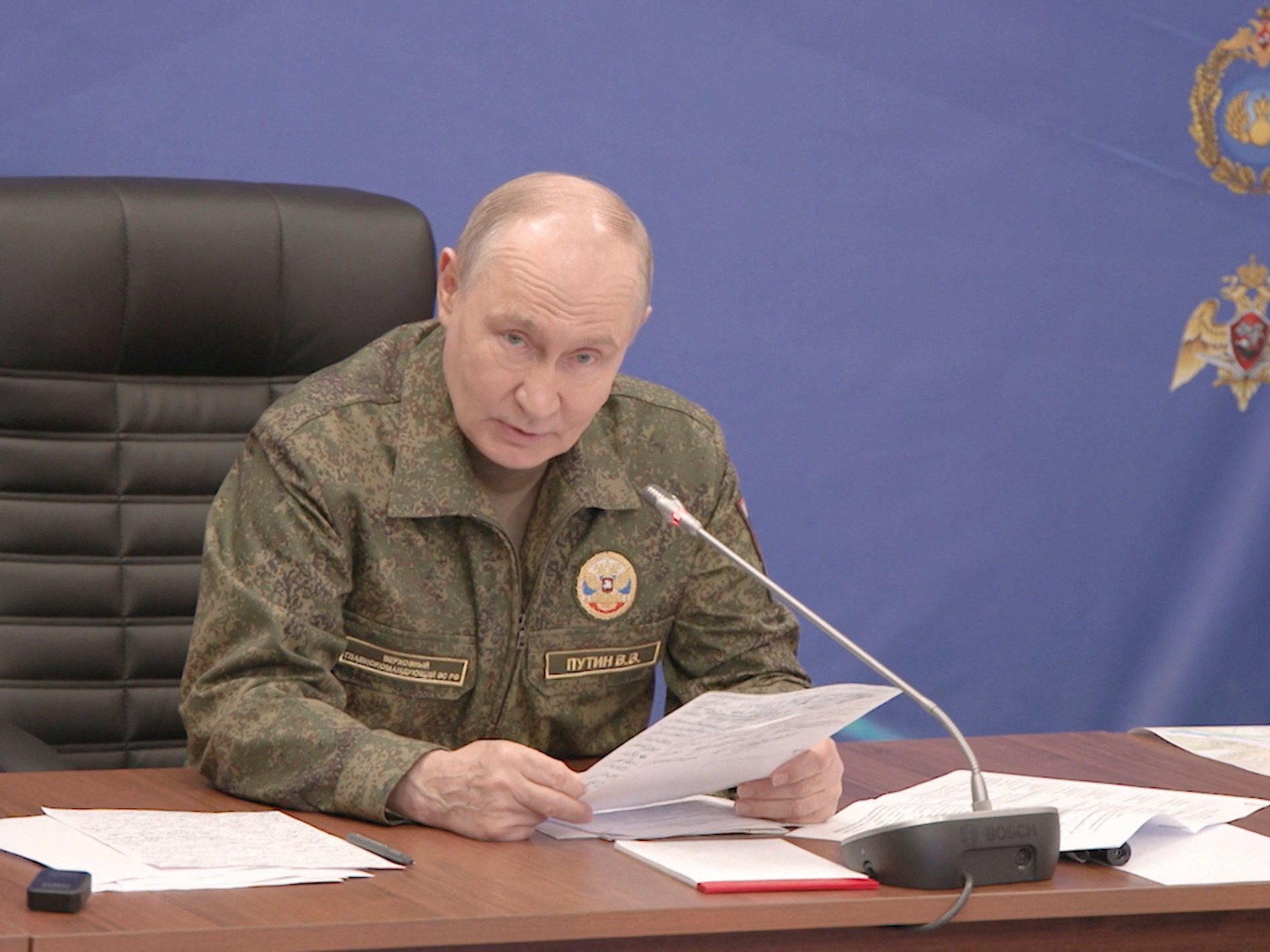
The campaign has contributed to fuel shortages inside Russia. Al Jazeera reported that Moscow has extended petrol export bans and introduced fuel sale restrictions across more than 40 regions and annexed Crimea. Russian President Vladimir Putin acknowledged last Sunday that the attacks were causing a fuel shortage, though he called it “not critical” and said damaged facilities were being repaired quickly.
Russia also struck a gas production facility in Ukraine’s central Poltava region with a drone on Saturday, Ukrainian state energy firm Naftogaz said. “A fire broke out at the site after the attack. Operations at the facility have been suspended,” the company said on Telegram. “The enemy is systematically targeting gas production facilities in an attempt to reduce Ukraine’s domestic output and complicate preparations for the heating season.”
Separately, Ukraine denied Putin’s claim that Russian forces had taken full control of the eastern town of Kostyantynivka, one of several heavily fortified towns in Ukraine’s Donetsk region. Ukrainian military spokesman Maj. Andriy Kovalyov told the BBC that “Kostyantynivka remains under the control of the Defence Forces of Ukraine,” while acknowledging “cases of infiltration by small infantry groups deep into the combat formations of our forces.” He said those groups were being identified and destroyed.
Zelenskyy later wrote on Telegram: “If Kostyantynivka is now under Russian control, then Putin will probably have no problem meeting me there and finding diplomatic solutions to finally end the war. But still, he will not cross the front line: the truth is very different from Putin’s words.”








Be First to Comment