
Ontario Premier Doug Ford has announced a 25% surcharge on electricity exports to the U.S. in response to tariffs imposed by the Trump administration, affecting consumers and businesses in Michigan, Minnesota, and New York. This measure, effective from March 10, is expected to add $400,000 in daily costs for approximately 1.5 million American consumers and businesses, with Ford emphasizing that the tariff will remain despite a temporary reprieve from President Trump. Ford warned of potential further actions, including halting electricity exports entirely, as Ontario aims to counter the financial strain on Canadian industries and maintain a firm stance until the tariff threat is resolved.
Posts published in “Financial”

Major U.S. stock indexes saw a significant decline on Monday, driven by investor concerns over slowing economic growth, persistent inflation, and an unstable job market, with the S&P 500 dropping 2% and the Nasdaq Composite falling 3.4%. The downturn, exacerbated by ongoing U.S.-China trade tensions and retaliatory tariffs on American agricultural products, has erased recent gains and pushed the Nasdaq to its lowest level since September. As the market grapples with these challenges, volatility persists, with potential for further fluctuations based on economic data and policy developments.
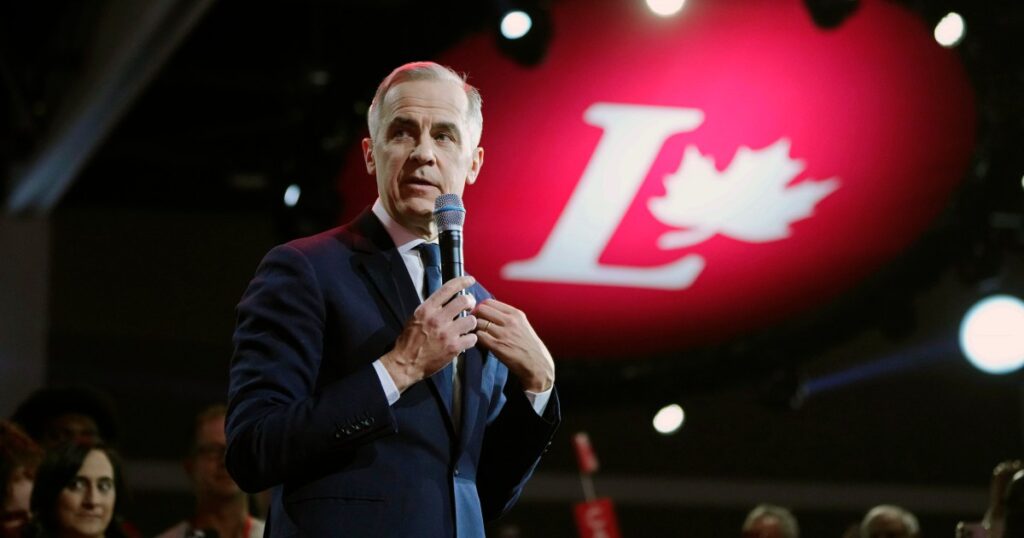
Mark Carney has been elected as the new leader of Canada's Liberal Party, positioning him to succeed Justin Trudeau as prime minister following Trudeau's resignation announcement. Carney's leadership comes at a challenging time, with Canada facing economic uncertainty due to a trade war initiated by U.S. President Donald Trump and threats of annexation. With a strong mandate from the Liberal Party and a wealth of experience in economic management, Carney is expected to address these pressing issues and navigate the political landscape ahead of an impending federal election.
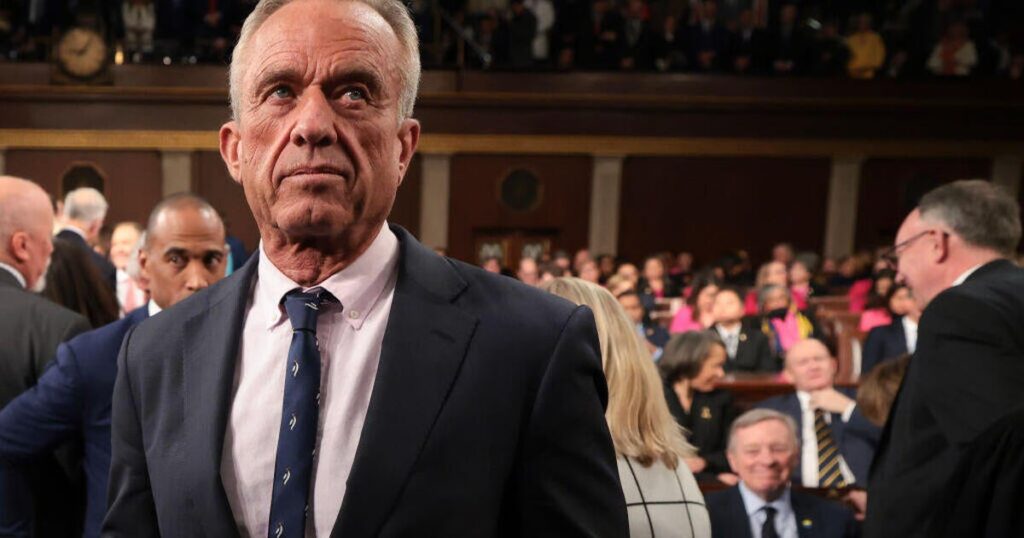
The U.S. Department of Health and Human Services (HHS) has offered its 80,000 employees a $25,000 voluntary separation incentive to encourage resignations, as part of the Trump administration's efforts to reduce the federal workforce and cut government spending. This initiative aligns with a broader trend of job cuts across federal agencies, contributing to an increase in overall U.S. job cuts, and is seen as a strategic move to streamline HHS operations within budgetary constraints. Health and Human Services Secretary Robert F. Kennedy Jr. has previously indicated a desire to reshape the department's workforce, and this buyout offer is a continuation of those efforts to optimize government efficiency while maintaining essential services.
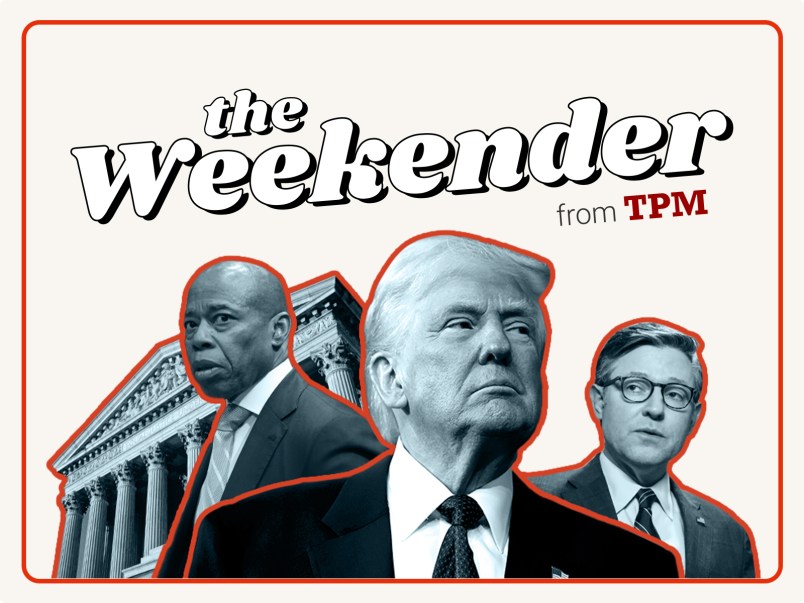
Republican senators have raised concerns about budget cuts proposed by Elon Musk, emphasizing the potential human and political consequences, and have engaged in discussions with Musk, who assured them that any cuts would require congressional approval. Concurrently, Justice Samuel Alito issued a strong dissent regarding a court ruling on a $2 billion payment for completed work, highlighting tensions over government financial obligations. Additionally, Secretary of State Marco Rubio and Transportation Secretary Sean Duffy criticized Musk for recent employee terminations, reflecting broader debates over the impact of cost-cutting measures on government operations, while a controversial Supreme Court decision has sparked backlash against Justice Amy Coney Barrett from conservative circles.
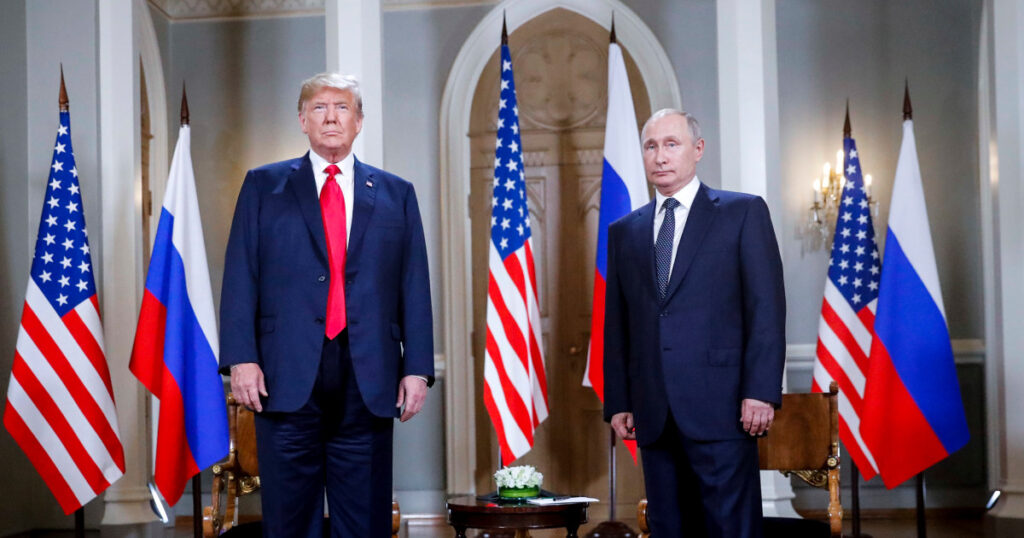
President Donald Trump has announced that he is considering imposing significant economic measures, including large-scale banking sanctions and tariffs, against Russia in response to escalating military activities in Ukraine. This marks a shift in the U.S. stance, as the administration seeks to pressure Russia into agreeing to a ceasefire and peace talks with Ukraine. The president emphasized the urgency of diplomatic resolution, urging both nations to engage in peace negotiations amid recent intensified attacks on Ukrainian energy facilities.

Former President Donald Trump announced a temporary pause on the 25% tariffs on U.S. imports from Mexico, which were recently imposed, following discussions with Mexican President Claudia Sheinbaum. This decision aims to strengthen the cooperative relationship between the United States and Mexico, particularly in addressing border security and immigration issues, while maintaining the economic ties facilitated by the United States-Mexico-Canada Agreement (USMCA). The move reflects broader diplomatic efforts to enhance cooperation on shared challenges and underscores the importance of the USMCA in fostering a positive trade environment among the three nations.
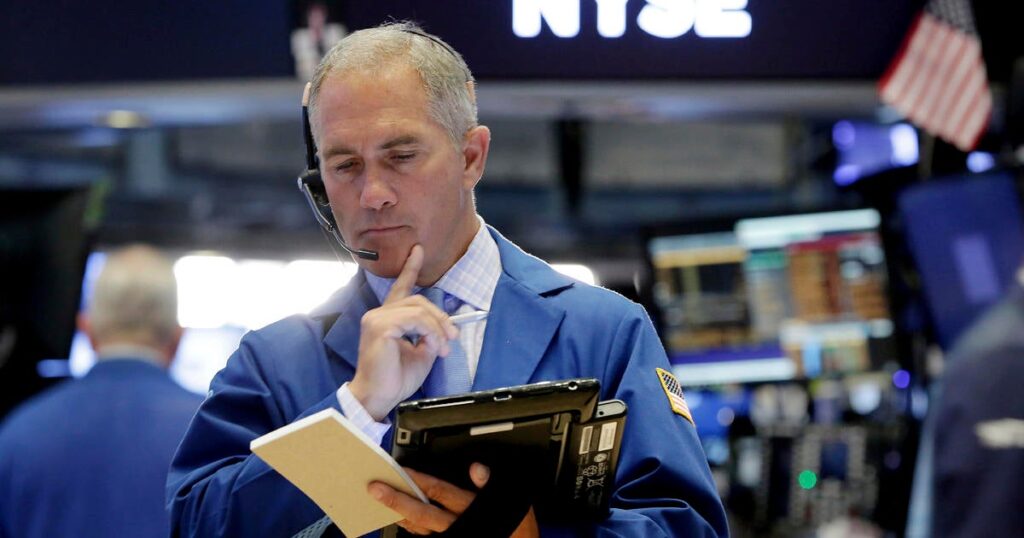
On Thursday, U.S. stock markets saw a notable decline as investors grew concerned about the economic impact of new tariffs announced by the Trump administration, targeting imports from Canada, China, and Mexico. The U.S. Commerce Secretary indicated that exemptions for USMCA-compliant goods might be announced soon, following the imposition of a 25% tariff on most goods from Mexico and Canada. The tariffs led to immediate market reactions, with significant drops in the S&P 500, Dow Jones Industrial Average, and Nasdaq Composite, reflecting investor apprehension about potential slowed economic growth.