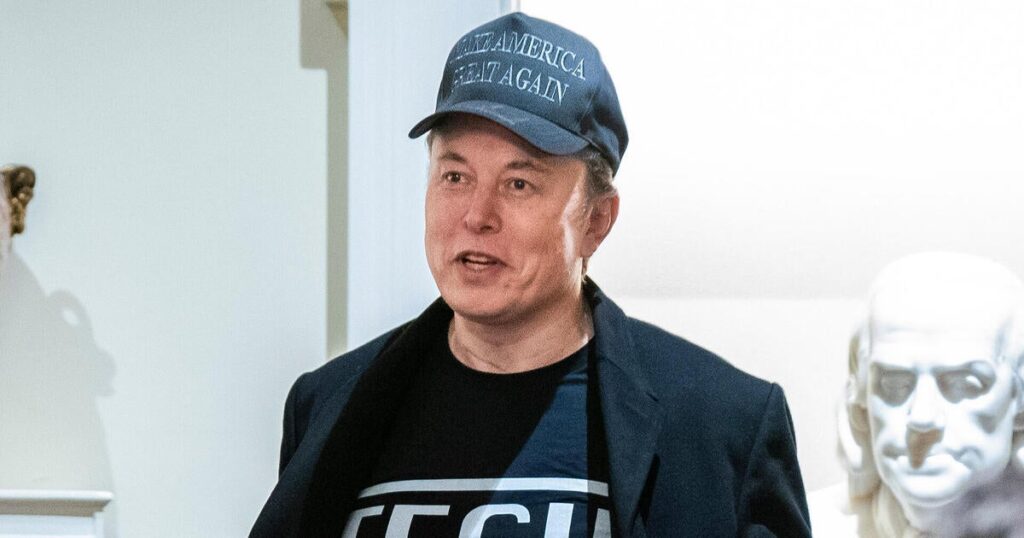
In February, layoffs in the United States reached their highest levels since July 2020, largely due to significant cuts in government positions driven by the Department of Government Efficiency (DOGE), led by Elon Musk. DOGE's aggressive cost-cutting measures, aimed at eliminating waste and fraud, faced backlash, particularly regarding planned reductions in veterans' health care services, prompting a partial reversal after concerns about safety were raised by Veterans Health Administration employees. This situation highlights the challenges DOGE faces in balancing efficiency with the maintenance of essential services, as it continues to navigate the complexities of government efficiency initiatives.
Posts published in “Financial”

In February, the United States saw a dramatic rise in layoffs, with 172,017 job cuts announced, marking the highest monthly total since July 2020 and a 245% increase from January, largely due to reductions in the federal workforce. The Department of Government Efficiency (DOGE), led by Elon Musk, played a significant role in these layoffs by targeting government waste and fraud, resulting in widespread job losses across federal agencies. This surge in layoffs is reminiscent of the early COVID-19 pandemic period and highlights the current challenges facing the U.S. labor market.

CK Hutchison, a Hong Kong-based conglomerate, has agreed to sell its controlling stake in two Panama Canal ports to a consortium led by U.S. investment firm BlackRock Inc., amid concerns from the Trump administration about Chinese influence. The Panama Canal remains under Panama's control, and the government has clarified that previous operations by the Hong Kong group did not equate to Chinese control over the waterway. This sale is seen as a strategic move to address national security concerns and ensure the canal's neutrality and efficient operation in global trade.
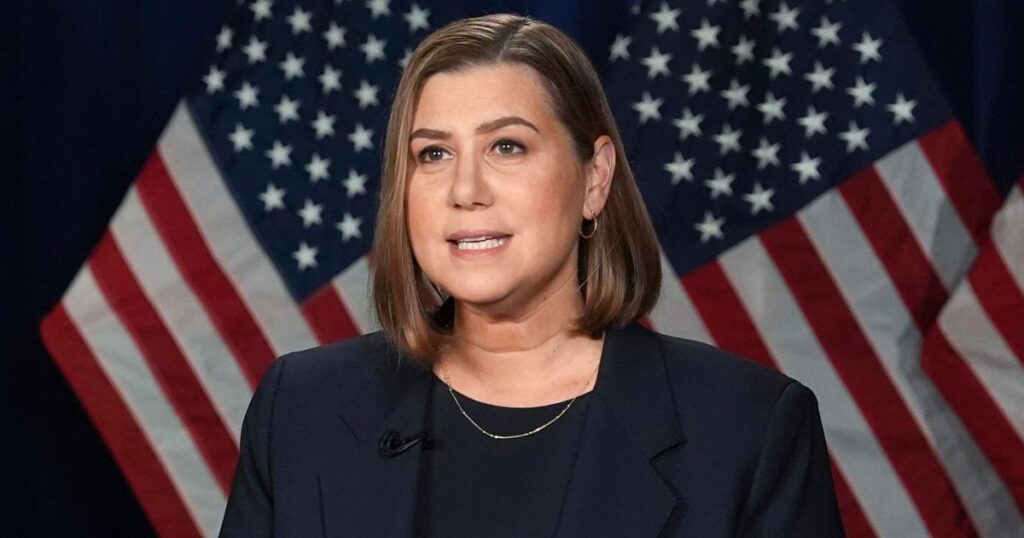
In a recent address from Wyandotte, Michigan, Senator Elissa Slotkin criticized President Donald Trump's leadership, particularly highlighting concerns over his management of the economy and foreign affairs. Slotkin referenced a contentious meeting between Trump and Ukrainian President Zelensky, suggesting that such actions could lead to economic challenges and contrasting Trump's approach unfavorably with that of former President Ronald Reagan during the Cold War. Additionally, Slotkin expressed caution over Trump's praise for the world's richest person leading the new Department of Government Efficiency, advocating for more responsible governance and reflecting broader Democratic concerns about the current administration's direction.
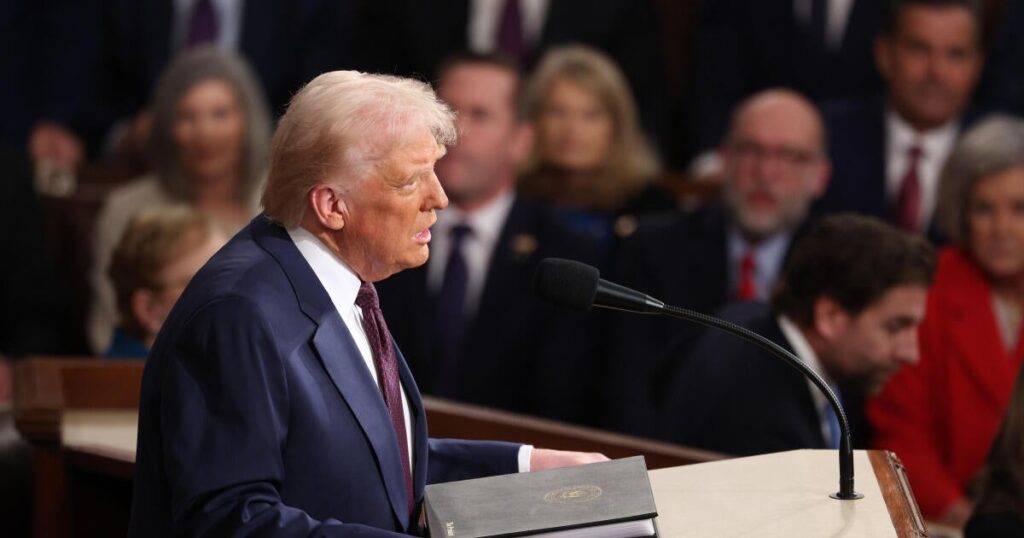
In a recent address to Congress, former President Donald Trump made several claims, including an unverified assertion that Stacey Abrams led a group receiving $1.9 billion for a "decarbonization of homes" initiative, while official records show a $2 billion grant was awarded to Power Forward Communities for sustainable housing. Trump also discussed new tariffs on the United States' largest trading partners, citing a "national emergency" due to fentanyl influx from Mexico and Canada, despite experts suggesting the crisis may be improving. The CBS News Confirmed team is fact-checking Trump's statements from his 2025 joint address, scrutinizing their accuracy and implications for policy and international relations.
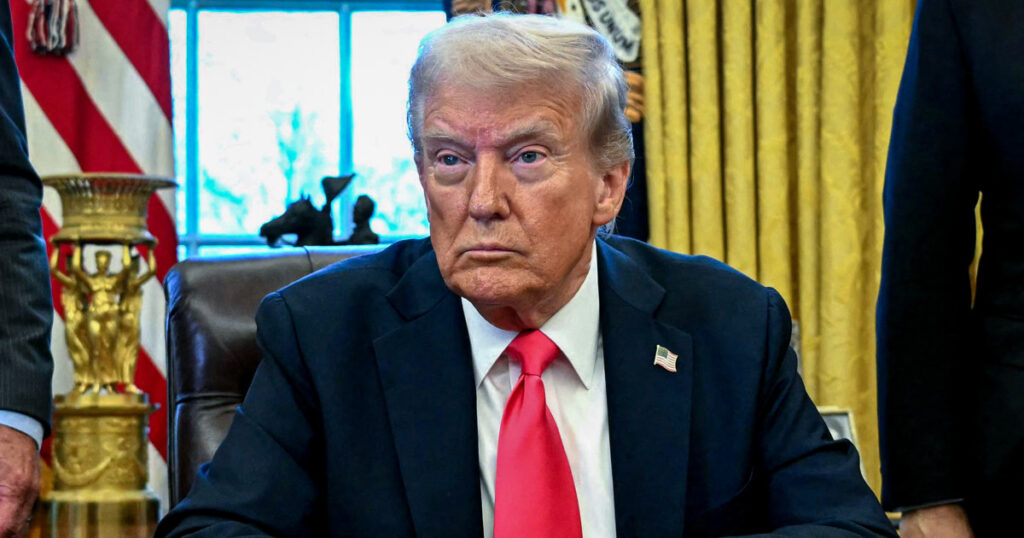
President Donald Trump is set to deliver a joint address to Congress, facing a nation divided as he begins his second term, with mixed approval ratings ranging from 45% to 51% across various polls. Economic concerns, particularly inflation and the rising cost of living, are expected to be a central focus of his speech, as many Americans feel these issues have not been adequately addressed. The address presents an opportunity for Trump to outline his strategies for tackling these challenges and potentially reshape public perception of his presidency.
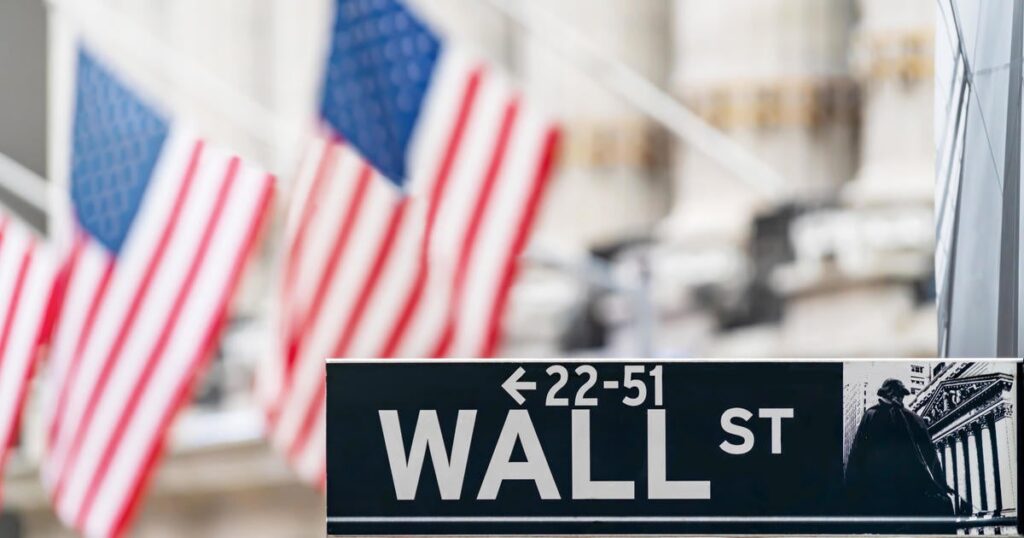
Wall Street experienced further declines due to President Donald Trump's announcement of new tariffs on imports from Mexico, Canada, and China, raising concerns about economic impact and market volatility. Retail executives, including those from Target and Best Buy, have indicated that these tariffs will likely lead to price increases for consumers, challenging Trump's initial promises to reduce prices. The situation has created uncertainty in the markets, with companies and consumers preparing for potential price hikes and supply chain disruptions as major retailers like Walmart acknowledge the tariffs' impact.
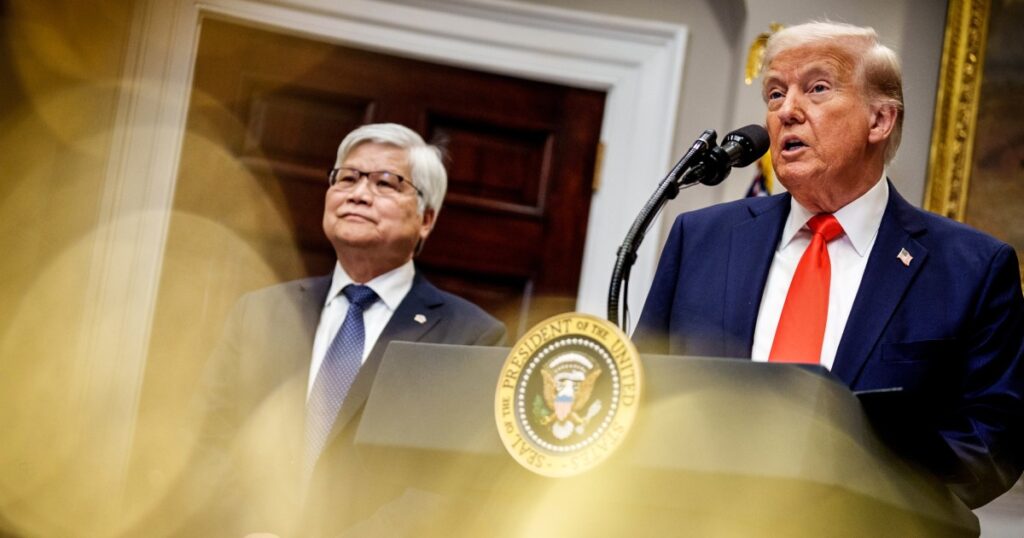
President Donald Trump announced that the United States would impose 25% tariffs on nearly all goods imported from Mexico and Canada, following unsuccessful negotiations with these key trading partners. The tariffs, set to take effect early Tuesday, signal a major shift in trade relations and have already caused significant reactions in financial markets, with major indices declining and the Nasdaq Composite dropping by 3%. As these tariffs are implemented, there is growing concern about their impact on American consumers and businesses, potentially leading to higher prices and affecting supply chains, highlighting the complexities of international trade policy.