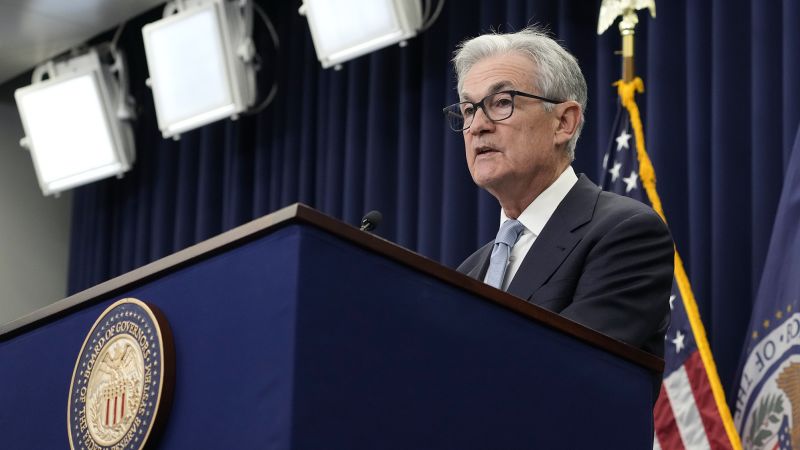
The Federal Reserve (Fed) announced on Wednesday that it is raising interest rates by a quarter of a percentage point, the ninth rate hike since March 2022. This decision is part of its ongoing efforts to slow the economy and battle stubbornly high inflation, but it runs contrary to the government's recent efforts to stabilize banks. Mark Zandi, chief economist of Moody’s Analytics, said that the Fed’s decision is “incongruous with efforts to re-establish the stability of the financial system.” It is unclear how the recent bank failures will affect the Fed’s decision-making going forward.
Posts published in “Financial”
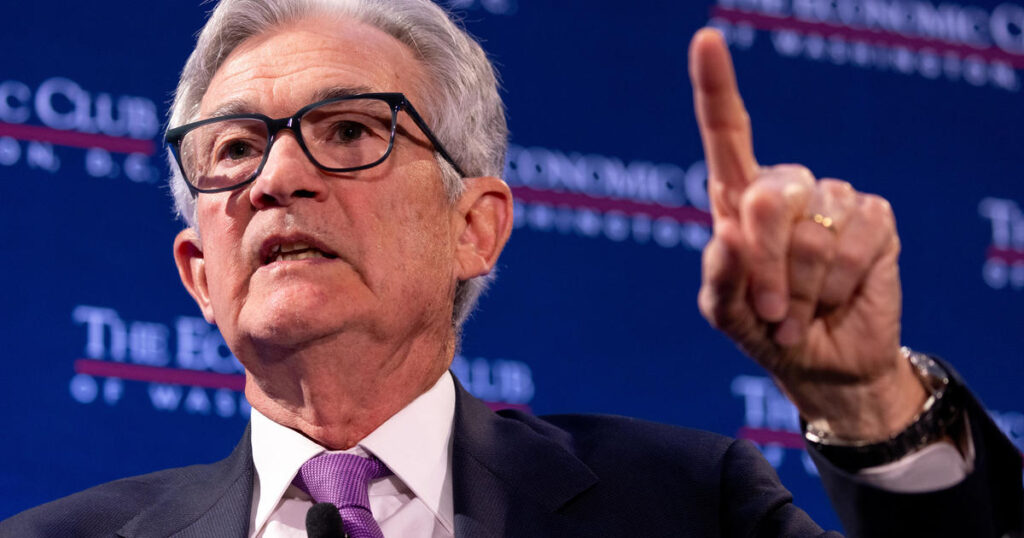
The Federal Reserve has raised its key interest rate by 0.25%, continuing its campaign against inflation. This rate hike is intended to help keep inflation at a rate of 2%, but could also make it more difficult for households and businesses to access credit, which could weigh on economic activity. The Fed's rate-setting committee noted that the U.S. banking system is sound and resilient, but cautioned that recent developments could have a negative effect on the economy.
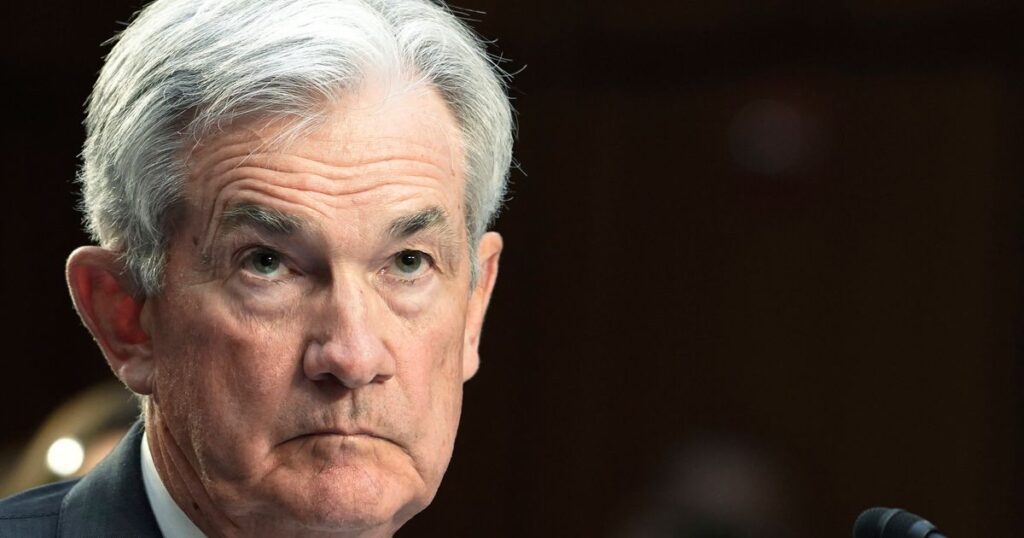
The Federal Reserve is facing a difficult decision as it meets to decide whether to keep raising interest rates or declare a pause. The decision is complicated by the jitters roiling the financial industry, the practice of regional banks in the Federal Reserve system inviting executives of the institutions they regulate to sit on their boards, and the hazier economic picture clouded by turmoil in the banking industry and still-high inflation. The outcome of the Fed's decision could have far-reaching implications for the banking industry and the economy as a whole.
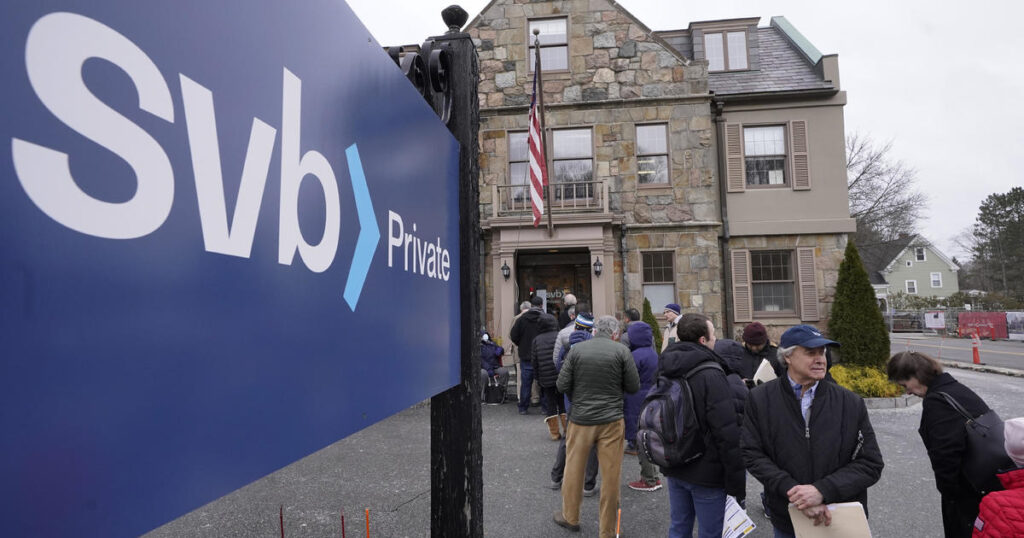
The House Financial Services Committee is investigating two of the largest bank failures in history, with Chairman Rep. Patrick McHenry (R-N.C.) returning donations from a fundraiser with bank executives days before the collapse. The episode highlights the power of bankers in Washington, where the industry spends heavily to fight regulation and hires former lawmakers to shape policy. The investigation into the bank failures is ongoing, and the results of the probe will be closely watched to determine if the rollback of the 2010 law and the lobbying campaign had any impact.
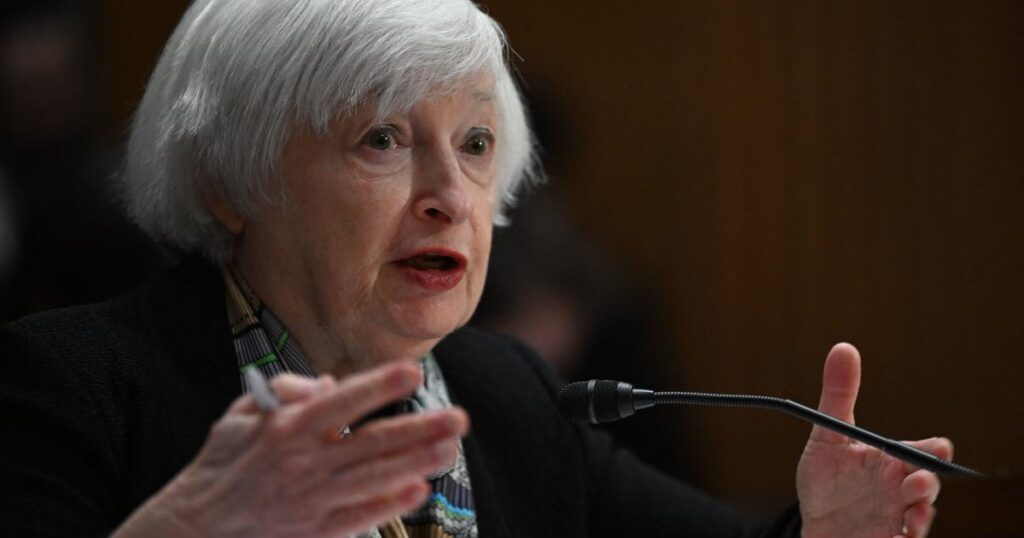
Treasury Secretary Janet Yellen testified before the American Bankers Association on Tuesday, discussing the government's response to the recent collapse of Silicon Valley Bank and Signature Bank. She highlighted the Federal Reserve's new lending facility and existing discount window as effective tools for providing liquidity to the banking system, and praised the government's "decisive and forceful actions" for calming the banking crisis. Yellen also noted that the US banking system remains sound, but warned that similar action could be warranted if deposit outflows from regional banks pose the risk of contagion.
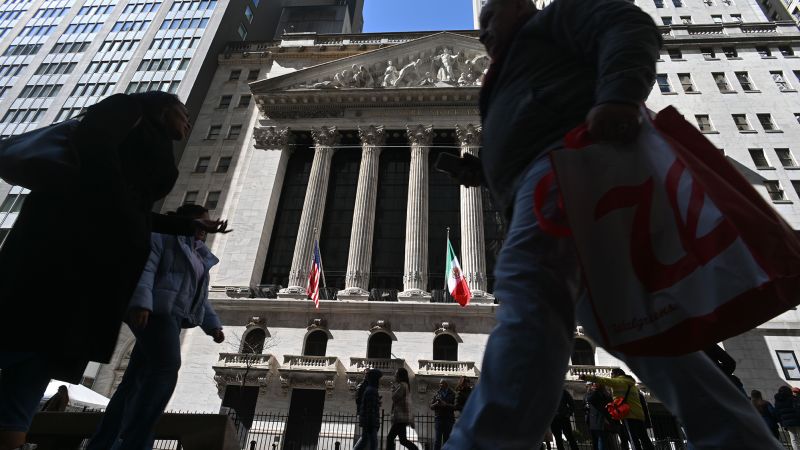
Recent banking failures have caused investors to be concerned about uninsured deposits, prompting the FDIC to become a household name. The FDIC is a government agency that insures deposits up to $250,000 per account, funded by premiums paid by member banks. Understanding the FDIC and its role in protecting deposits is essential for investors.
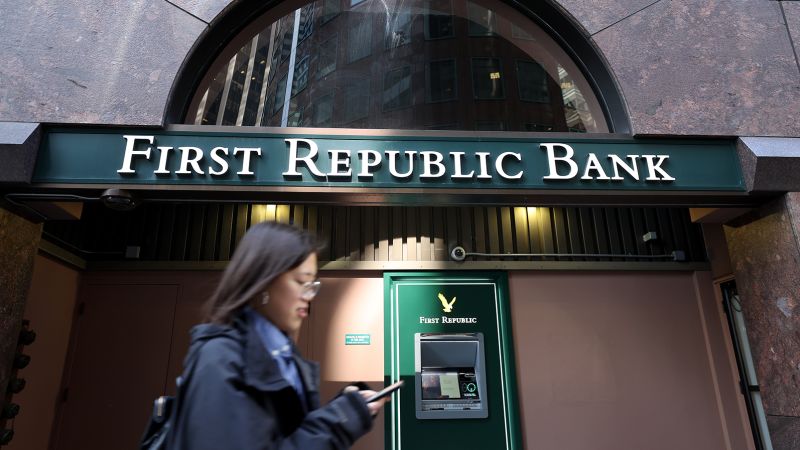
The banking sector is facing a crisis of confidence after a major, systemically significant bank collapsed over the weekend, prompting a group of central banks to provide an emergency cash infusion. This was followed by a historic takeover of Credit Suisse by rival UBS, but the question remains whether other banks are about to fall or be saved. The potential implications of the banking crisis are far-reaching, and it is essential that the banking sector is stabilized to protect the U.S. economy and individual consumers' banking deposits.
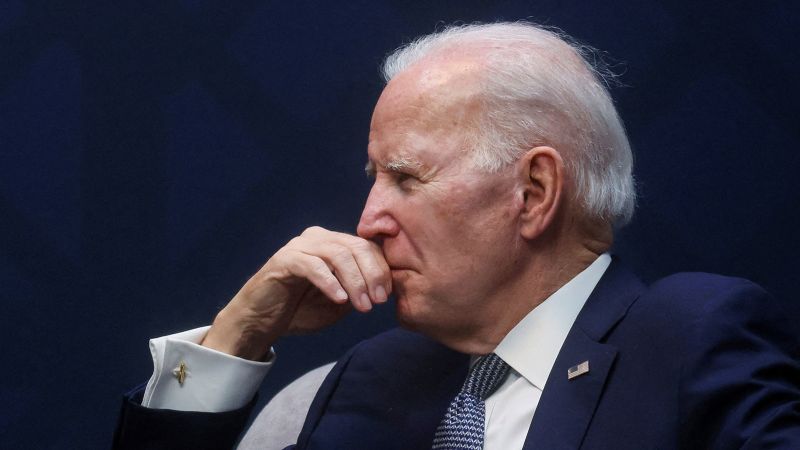
President Joe Biden issued his first veto of his presidency on Monday, blocking a resolution that would have overturned a new Labor Department rule allowing retirement plans to consider environmental, social and corporate governance factors when selecting investments. The rule has been met with both praise and criticism, with supporters arguing that it will help investors and opponents arguing that it will hurt retirees' bottom lines. Biden vetoed the resolution, saying it would undermine the retirement security of millions of Americans, and reaffirmed his commitment to protecting the retirement security of Americans.