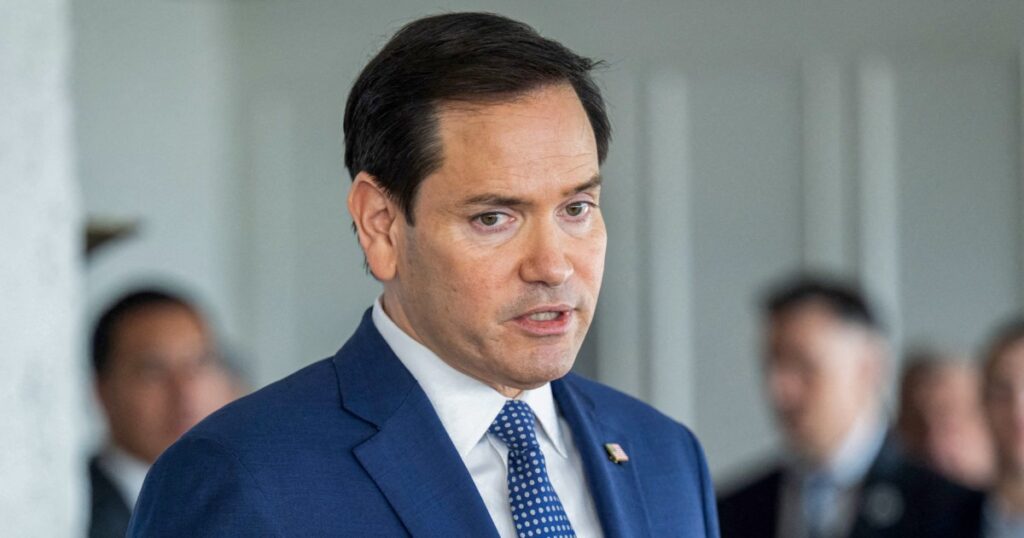
Mark Carney has been sworn in as Canada's new prime minister, succeeding Justin Trudeau, amidst rising tensions with the United States due to trade disputes initiated by President Donald Trump. The situation has been described as a trade war by Canada's Foreign Minister, while the U.S. Secretary of State claims it is an effort to reset trade relations. Carney's leadership is crucial as Canada faces potential electoral changes and economic strain from U.S. tariffs, with his approach to these challenges being closely observed both domestically and internationally.
Posts published in “Financial”
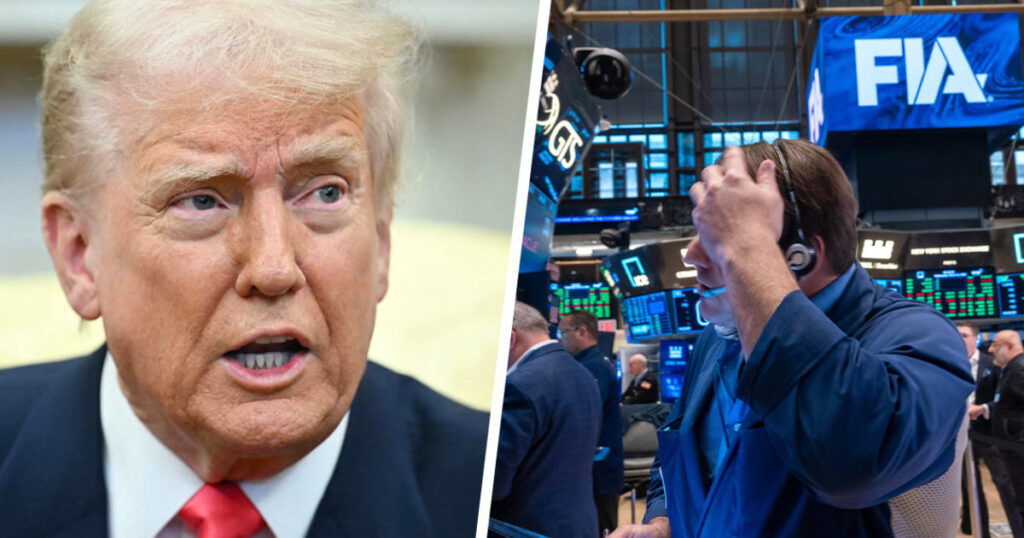
This week, financial markets faced a downturn due to economic instability, exacerbated by federal budget cuts from Elon Musk's DOGE group and the looming threat of tariffs, which have raised concerns about job market health and rising consumer costs. U.S. consumer sentiment dropped to its lowest level in over two years, with the University of Michigan's index falling to 57.9, contrary to economists' expectations of stability. The decline in sentiment is linked to uncertainty over economic policies, with the S&P 500 entering correction territory, highlighting the challenges for consumers and investors.
Trump Threatens 200% Tariff on EU Alcoholic Beverages in Retaliation to EU’s Whiskey Tariff Increase
Trump Threatens 200% Tariff on EU Alcoholic Beverages in Retaliation to EU’s Whiskey Tariff Increase
Former President Donald Trump has threatened to impose a 200% tariff on alcoholic beverages imported from the European Union, including French wines and champagnes, in response to the EU's decision to increase tariffs on American whiskey to 50%. Announced via Truth Social, Trump emphasized the need for the EU to remove its new tariff on U.S. whiskey, warning of significant tariffs on European alcoholic products if they fail to comply. This potential escalation could benefit U.S. domestic producers by reducing competition but may also lead to higher prices for consumers who prefer European wines and champagnes, highlighting ongoing trade tensions between the U.S. and the EU.
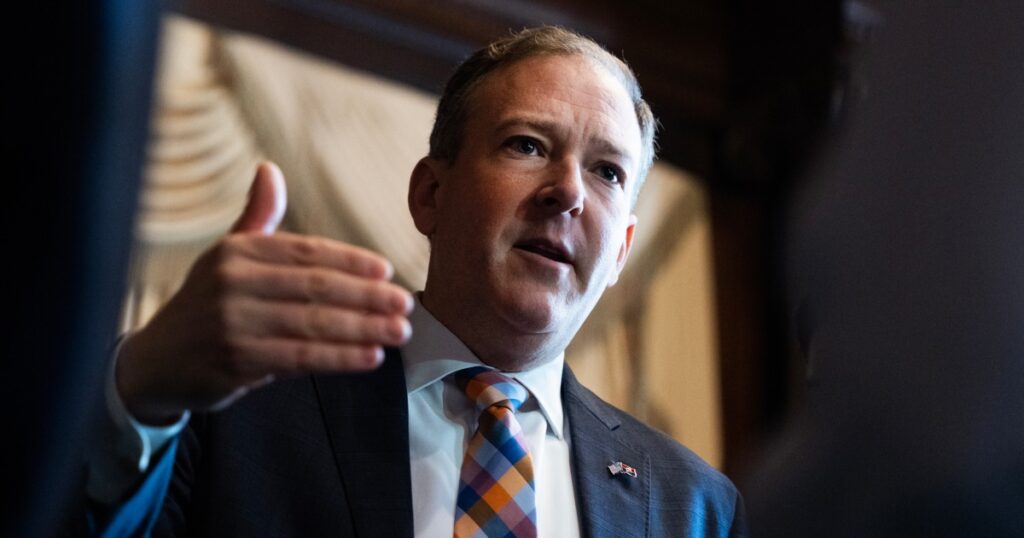
The Environmental Protection Agency (EPA) has launched a comprehensive review of existing environmental regulations, with plans to reconsider over a dozen key rules related to vehicle emissions, power plant pollution, and climate change policies. EPA Administrator Lee Zeldin announced this initiative as part of a broader strategy to reassess a total of 31 environmental rules, aiming to create a business-friendly environment and facilitate infrastructure development. This shift in the EPA's approach is expected to have significant implications for environmental policy and industry practices, sparking discussions and debates among stakeholders about the potential economic and environmental impacts.
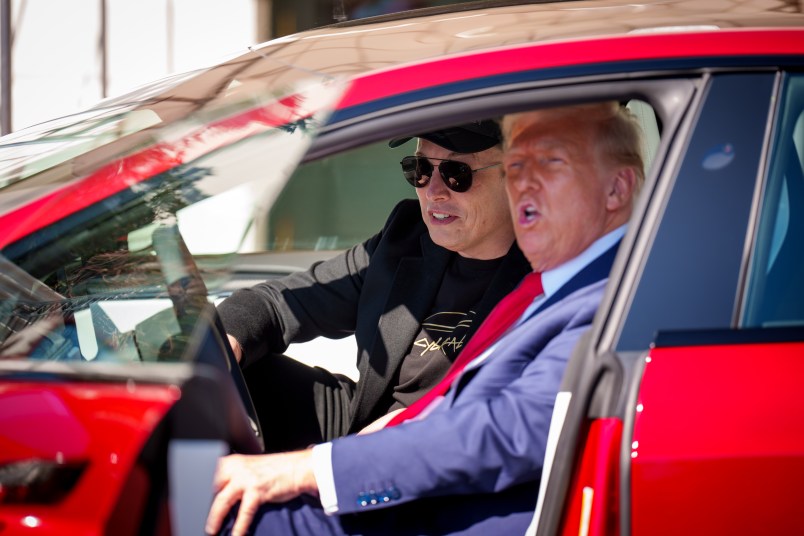
Democratic Senators Elizabeth Warren and Ron Wyden have raised concerns about potential staff reductions at the Social Security Administration (SSA) under nominee Frank Bisignano, warning that such cuts could disrupt the agency's ability to distribute benefits to over 72 million Americans. Acting Commissioner Leland Dudek has also expressed worries about the agency's stability, particularly following changes implemented by a team from Elon Musk's Department of Government Efficiency. The situation has highlighted the fragility of the SSA and the potential consequences of leadership changes, drawing significant attention from lawmakers and the public.
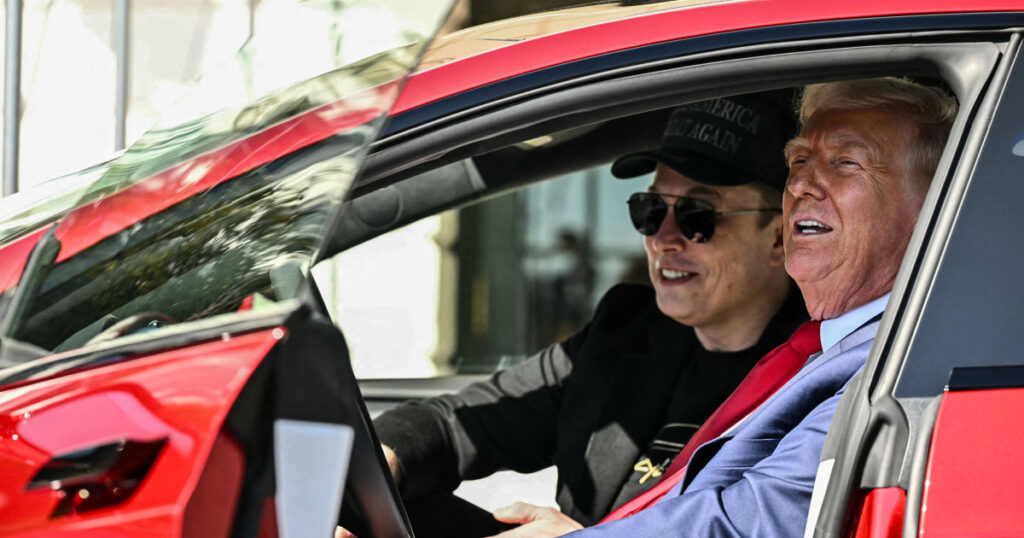
A recent survey indicates that a significant majority of participants believe Elon Musk's political involvement negatively impacts business fundamentals, with 85% expressing concerns about his activities. Leland Dudek, acting commissioner of the Social Security Administration, has also voiced apprehensions about the potential consequences of Musk's political endeavors on governmental stability. These concerns coincide with a challenging period for Tesla, as a Morgan Stanley survey reveals that over 80% of respondents think Musk's political activities are harming Tesla's business, contributing to a nearly 40% drop in the company's stock this year.
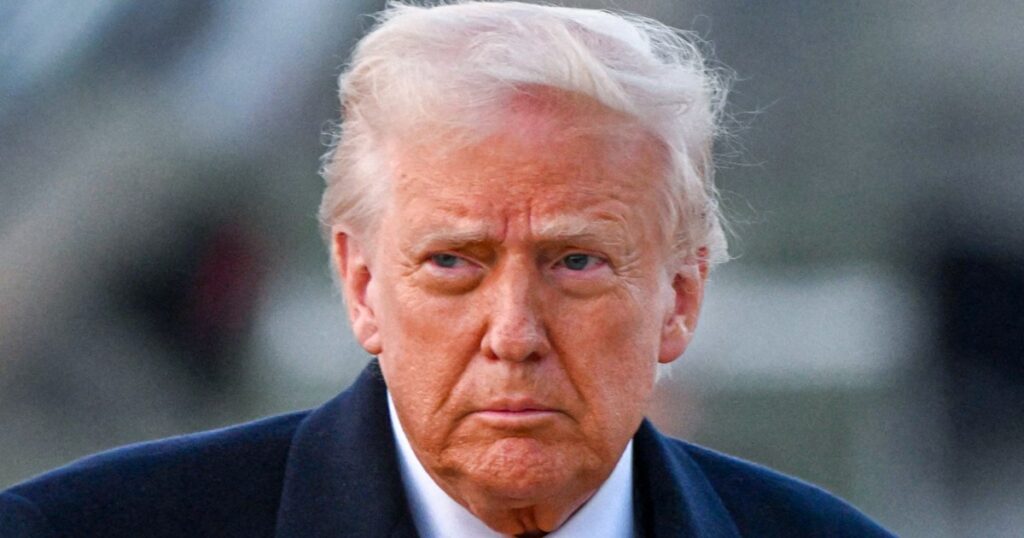
Former President Donald Trump announced plans to double tariffs on Canadian steel and aluminum imports in response to Ontario's 25% tariff on electricity exported to the U.S. This escalation in trade tensions follows Trump's previous tariffs on Canadian imports and serves as a countermeasure to Ontario's recent actions. Trump also urged Canada to remove duties on American dairy products and warned of potential increased tariffs on Canadian car imports if other trade issues are not addressed.
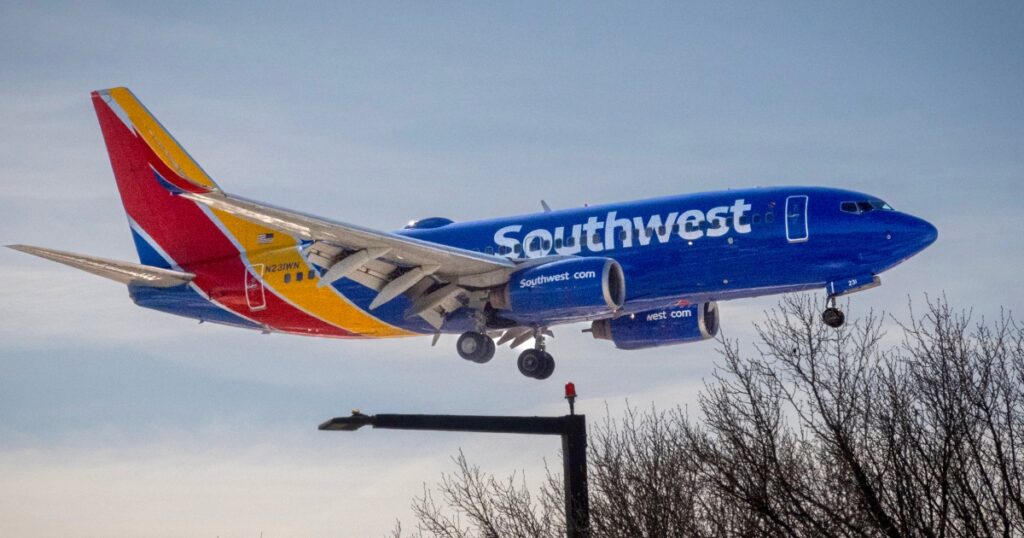
Southwest Airlines is set to introduce a new baggage fee structure starting May 28, marking a departure from its long-standing policy of allowing passengers to check bags for free, a hallmark of its service for over five decades. The change, influenced by a firm that secured board seats last year, will require most passengers to pay for checked bags, aligning Southwest more closely with industry norms. While this move aims to boost revenue and enhance financial performance, it may impact customer loyalty, as the "bags fly free" promise has been a significant draw for travelers.