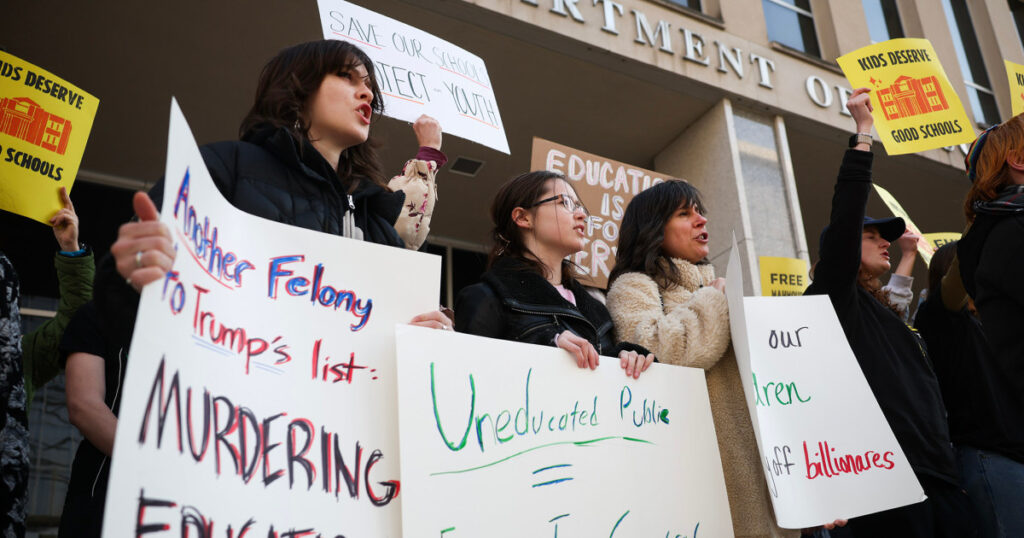
In a major policy shift, President Donald Trump announced that the Small Business Administration (SBA) will assume management of the federal student loan portfolio, traditionally overseen by the U.S. Department of Education, affecting over 40 million borrowers and $18 billion in Title I funding. This transition follows an executive order aimed at dismantling the Department of Education, raising concerns about potential disruptions in federal student loan programs and the administration of financial aid services like Pell Grants and FAFSA. Experts warn that the SBA will face significant challenges in managing the $1.6 trillion federal education debt, emphasizing the need for trained staff and resources to ensure effective support for borrowers and educational institutions.
Posts published in “Financial”
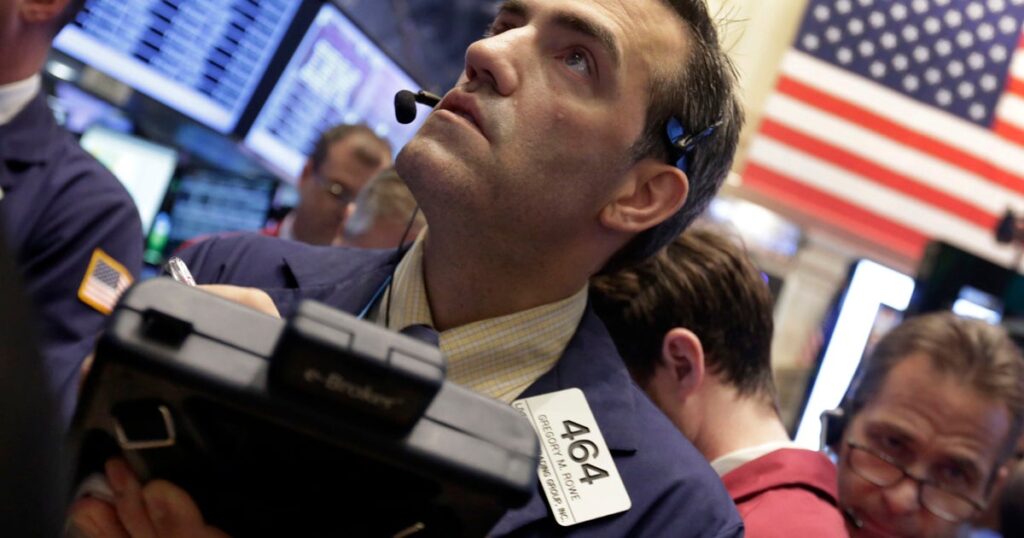
On April 2, the United States plans to implement tariffs on major trading partners, a move dubbed "Liberation Day" by President Trump, which is expected to lead to higher borrowing costs, increased prices, and stock market volatility. The Federal Reserve's decision to maintain current interest rates, due to concerns over trade policies, was followed by a dip in market performance, highlighting the market's sensitivity to such developments. Financial experts advise consumers to be cautious, manage finances wisely, and consider making planned big-ticket purchases, while Federal Reserve Chair Jerome Powell warns of the potential negative impact of tariffs on economic growth.
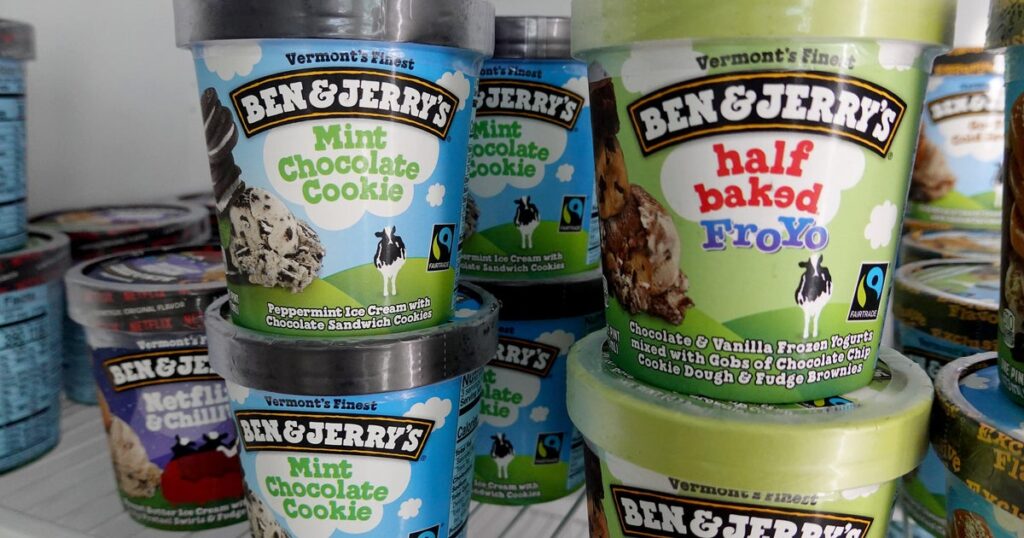
Ben & Jerry's has filed an amended complaint against its parent company, Unilever, accusing it of unlawfully dismissing CEO David Stever due to his support for the brand's political activism, which is central to its identity. The legal dispute hinges on a 2000 merger agreement that Ben & Jerry's claims Unilever violated by not involving the company's advisory board in the decision, suggesting an effort to suppress the ice cream brand's social mission. This case is part of a broader conflict, with Ben & Jerry's alleging that Unilever is trying to silence its advocacy on issues like Palestinian rights, highlighting the challenges of maintaining a strong social mission within a larger corporate structure.
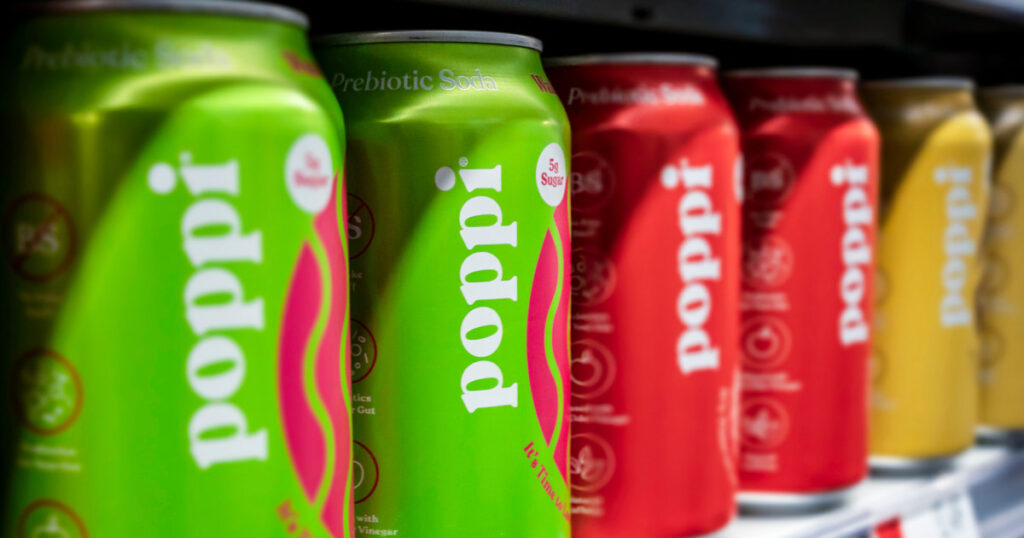
PepsiCo has announced the acquisition of the prebiotic soda brand Poppi for nearly $2 billion, marking a strategic move to expand its presence in the health-conscious beverage market. Founded in 2016, Poppi has gained popularity with its low-calorie, prebiotic-infused sodas, aligning with the industry's trend towards functional and wellness-oriented products. This acquisition underscores PepsiCo's strategy to adapt to changing consumer preferences and highlights the growing interest in the prebiotic soda category, a competitive space also being explored by rivals like Coca-Cola.
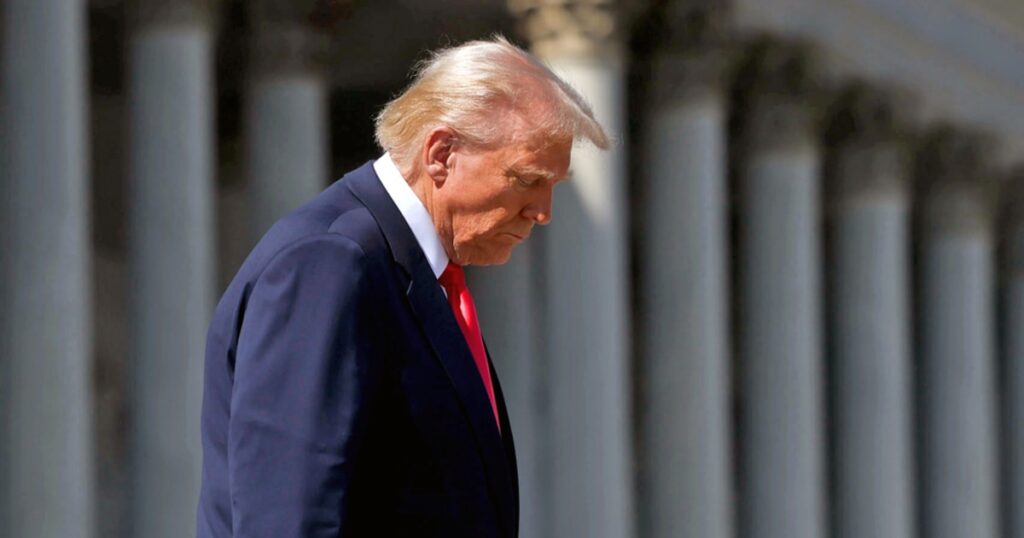
A recent NBC News poll highlights growing voter dissatisfaction with the U.S. economy and President Donald Trump's handling of economic issues, with only 18% rating the economy positively and a majority disapproving of his management of inflation. The poll also reveals skepticism towards government efficiency initiatives, with 47% holding negative views of the Department of Government Efficiency and 51% disapproving of Elon Musk's involvement. Amidst these domestic challenges, President Trump is also addressing international issues, such as proposing a cease-fire in Ukraine, while his overall approval rating stands at 47%, reflecting a divided public opinion.
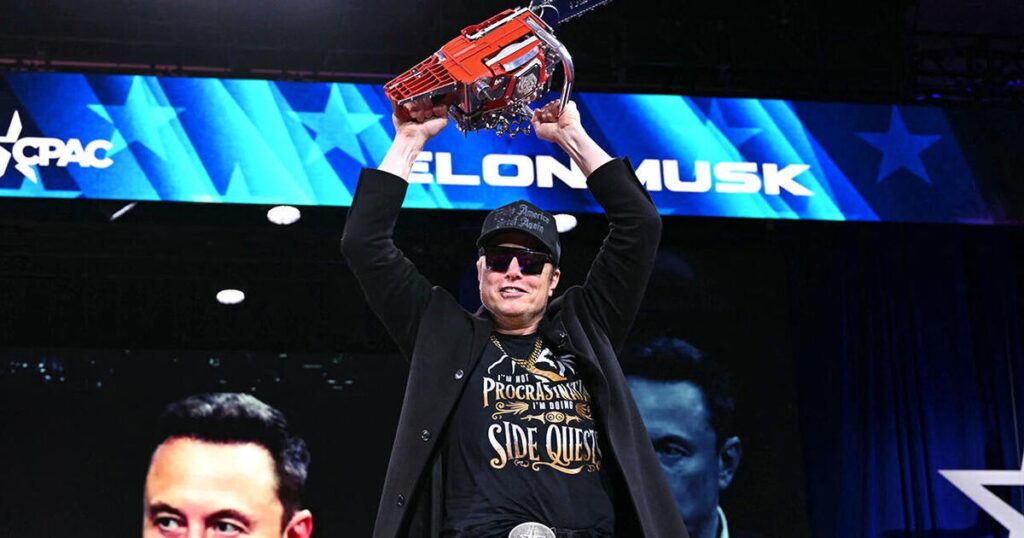
In early 2025, a new NBC News poll reveals mixed voter sentiments about the U.S. economy and President Donald Trump's management, with an increase in positive perceptions following his re-election, largely due to strong Republican support. Elon Musk, CEO of Tesla, has emerged as a significant supporter of Trump, contributing $300 million to his re-election campaign, which has bolstered Tesla's public image as Trump endorses Musk's efforts in the electric vehicle industry. Despite a 47% approval rating for Trump and 51% disapproval, his administration continues to advance its policy initiatives, with the collaboration between Trump and Musk highlighting the administration's focus on technological innovation and support for American businesses.
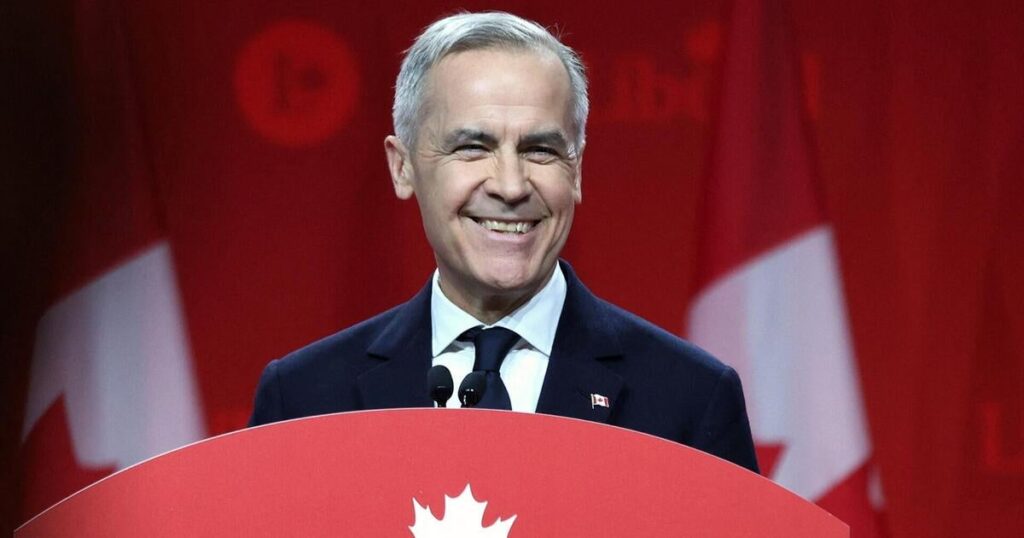
Mark Carney has been sworn in as Canada's new prime minister, succeeding Justin Trudeau, amid significant challenges such as a trade conflict with the U.S. and looming federal elections. The trade tensions have been intensified by U.S. President Donald Trump's demands for increased NATO defense spending, pressuring Canada and other allies to reconsider their military budgets. As Carney takes office, he is expected to call for a general election soon, which will be a critical test for the Liberal Party in addressing both international and domestic issues.
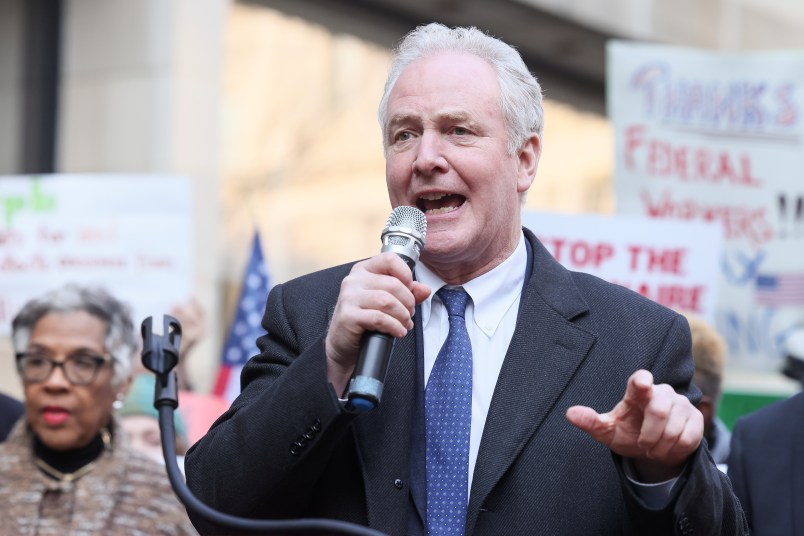
The United States Senate unanimously passed a bill to address a provision in recent government funding legislation that threatened to cut Washington, D.C.'s budget by approximately $1 billion. This bipartisan bill, introduced by Senators Susan Collins and Chris Van Hollen, allows the District to maintain its current level of local fund spending, countering the House Republican continuing resolution that had initially included the budget cuts. The swift passage of the bill highlights the urgency and bipartisan support to protect D.C.'s financial interests, ensuring the well-being of its residents amid ongoing budget negotiations.