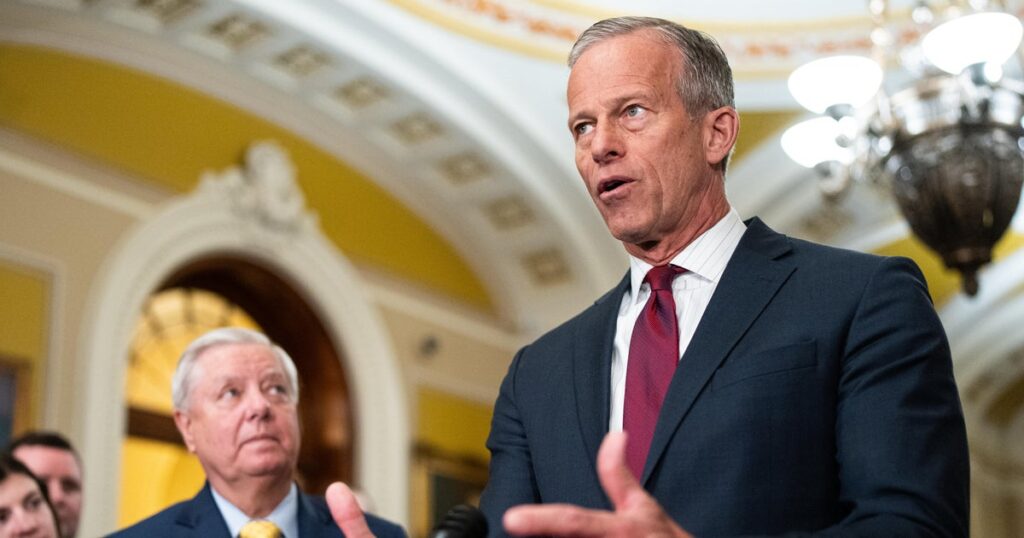
Senate Republicans have introduced a new budget blueprint that aims to make the 2017 tax cuts permanent and proposes an additional $1.5 trillion in new tax cuts, using a "current policy baseline" method that controversially scores the cost of extending these cuts at zero dollars. The proposal also includes provisions to raise the debt ceiling by up to $5 trillion and is being advanced through the reconciliation process, allowing Republicans to bypass the typical 60-vote threshold in the Senate. This strategic maneuver sets the stage for further legislative activity to solidify and expand upon the 2017 tax policies, with significant potential impacts on the economy and national debt.
Posts published in “Financial”
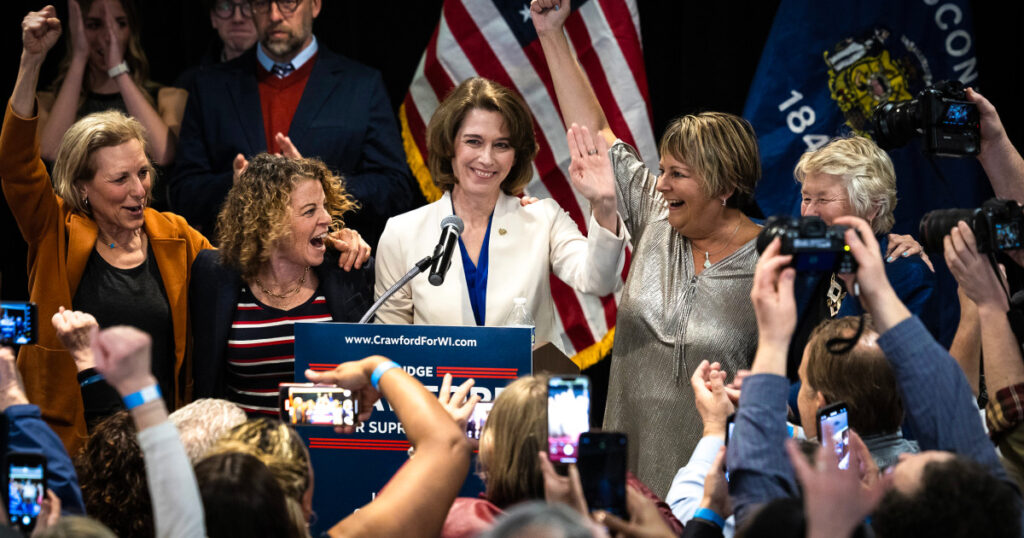
The Trump administration is rapidly advancing its agenda, often bypassing judicial checks and raising concerns about the erosion of legislative powers and due process. President Trump is set to announce a major expansion of trade barriers, introducing the largest set of new tariffs in decades, which will escalate the trade war and target sectors like imported cars and auto parts. Despite legal challenges, such as the U.S. District Judge dismissing a motion by the U.S. Institute of Peace, the administration continues to push forward, while other political and legal developments, including immigration policy disputes and campaign financing issues, highlight the complex landscape of U.S. politics.
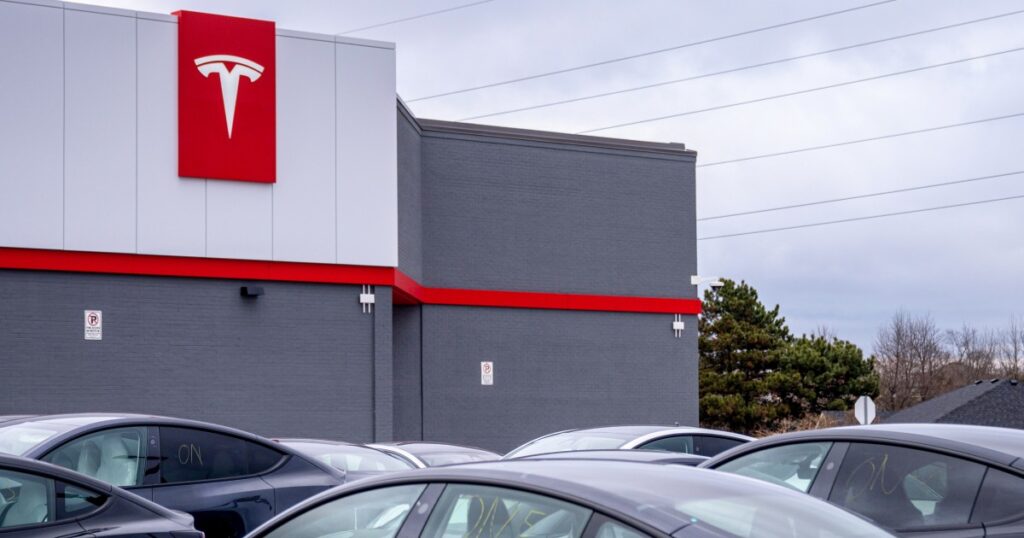
In the first quarter of 2025, Tesla reported a 13% decline in vehicle deliveries compared to the previous year, with only 336,681 vehicles delivered, falling short of analysts' expectations. Despite producing 362,615 vehicles, the deliveries did not meet the anticipated range of 360,000 to 370,000, reflecting a challenging market environment and weakening demand. This shortfall has contributed to Tesla's stock experiencing its worst quarter since 2022, prompting the company to focus on strategies to boost demand and align production with market expectations moving forward.
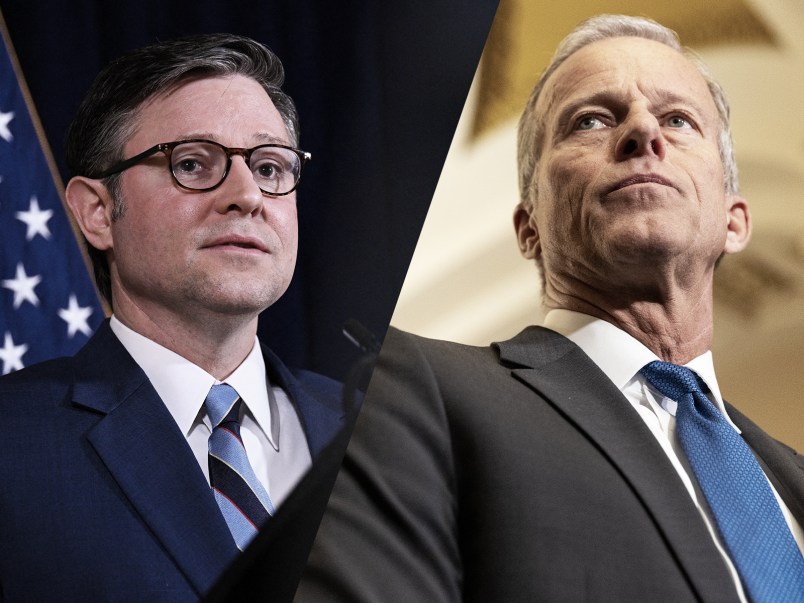
Republican lawmakers are deliberating the future of the 2017 tax cuts, with a key Senate decision pending that could allow these cuts to become permanent through the reconciliation process. The debate focuses on whether to use a "current policy" baseline to calculate the cost, potentially setting it at $0 and bypassing traditional budget negotiations, a move criticized for undermining Congress' budgetary authority. Democrats have limited involvement in these discussions, and the Congressional Budget Office estimates the extension would cost $4.6 trillion over the next decade, as Republicans aim to secure a budget resolution before the Easter recess to advance Trump's fiscal agenda.

President Donald Trump announced a 25% tariff on all imported automobiles to encourage domestic manufacturing and reduce reliance on foreign imports, expecting auto manufacturers to relocate operations to the U.S. The tariffs, set to take effect on April 2, are intended to stimulate domestic production and job creation, despite concerns about potential increases in consumer prices and impacts on economic growth. The financial markets reacted negatively to the news, with the S&P 500 dropping 1.2%, as investors worried about the broader economic implications of the tariffs.

Tesla's stock surged by 9.5% following a letter to former trade representative Jamieson Greer, highlighting concerns over potential retaliatory tariffs linked to Trump administration policies. The stock market rally was further fueled by reports that President Trump decided against imposing broad tariffs on key industrial sectors, boosting investor confidence. Meanwhile, Hyundai announced a $5.8 billion investment in a new steel plant in Louisiana, creating 1,300 jobs, as part of a broader trend of companies like Apple and Oracle planning significant U.S. investments to align with the administration's domestic manufacturing goals.
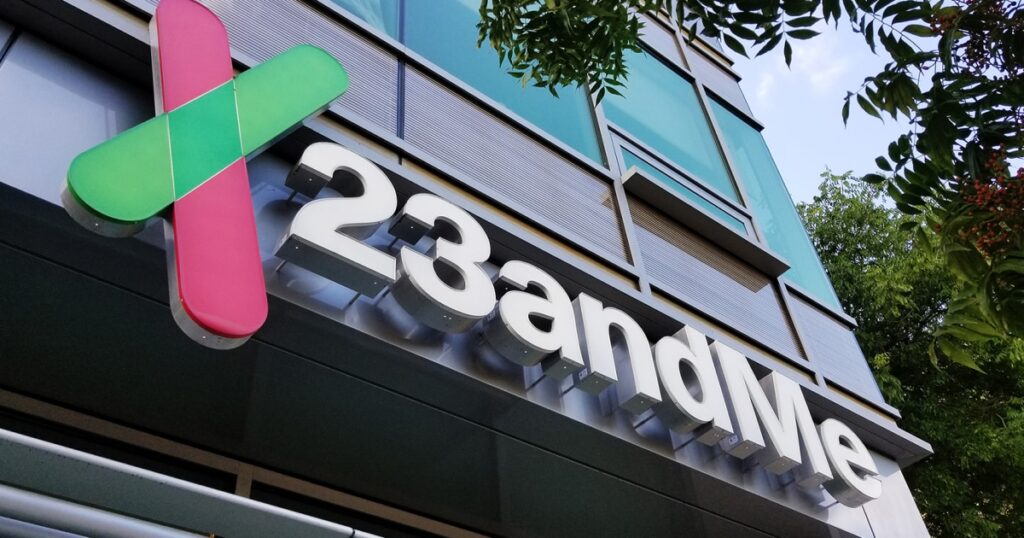
Genetic testing company 23andMe has filed for Chapter 11 bankruptcy protection and is seeking a buyer as part of its restructuring efforts, following significant financial and operational challenges. CEO and co-founder Anne Wojcicki has resigned, with Joe Selsavage stepping in as interim CEO, as the company hopes the court-supervised process will help reduce costs and resolve liabilities. This development follows a workforce reduction and board resignation, marking a pivotal moment for the once-leading company in the genetic testing industry.
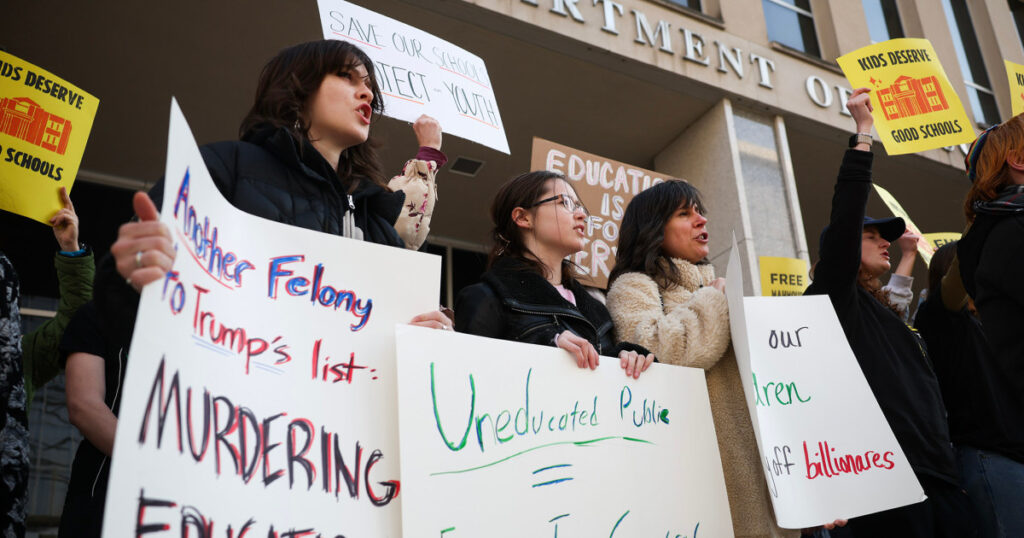
In a major restructuring effort, President Donald Trump announced that the Small Business Administration (SBA) will assume control of the federal student loan portfolio from the U.S. Department of Education, as part of a strategy to streamline federal operations and cut government spending. The SBA plans to reduce its workforce by 43%, aiming to save over $435 million annually, while maintaining its focus on supporting small business growth. This shift reflects the Trump administration's emphasis on reducing government size and complexity, with the SBA now tasked with managing over $1.6 trillion in federal education debt affecting more than 40 million Americans.