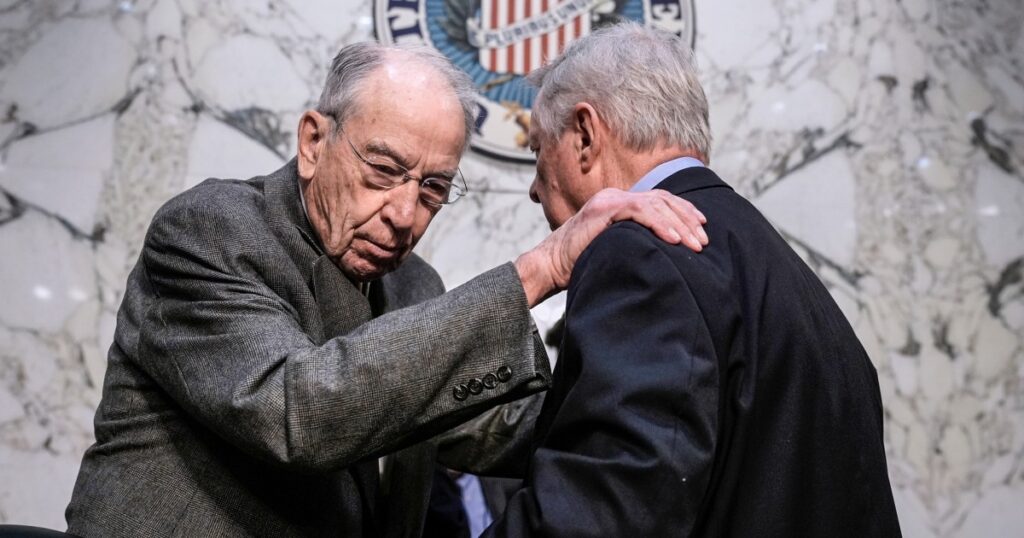
Lawmakers from both major U.S. political parties are actively working to address President Donald Trump's recent tariffs, with many Republicans joining Democrats in opposition due to concerns about their impact on the economy and global trade relationships. Critics argue that the tariffs represent a significant shift toward protectionist policies, potentially undermining established trade systems and echoing economic practices from the late 19th and early 20th centuries. In response, Congress is considering legislative measures to limit the executive branch's authority over such policies, highlighting bipartisan concern over the long-term consequences for domestic and international economic stability.
Posts published in “Financial”
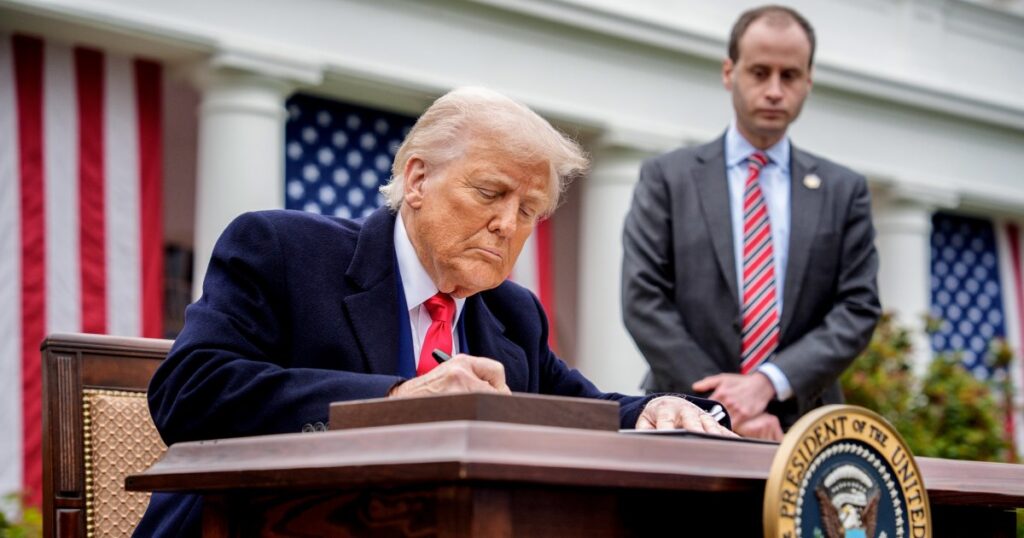
President Donald Trump's aggressive new tariffs have led to bipartisan concern in Congress, with lawmakers from both parties seeking to limit his tariff powers due to potential economic impacts. The Senate, with a Republican majority, has already voted to overturn tariffs on Canada, and further measures like the proposed Trade Review Act of 2025 aim to establish checks on the president's trade authority. As Congress explores additional strategies to counteract Trump's tariffs, financial markets have reacted with caution, highlighting the uncertainty surrounding U.S. trade policy and the ongoing debate over the balance of power between the executive and legislative branches.
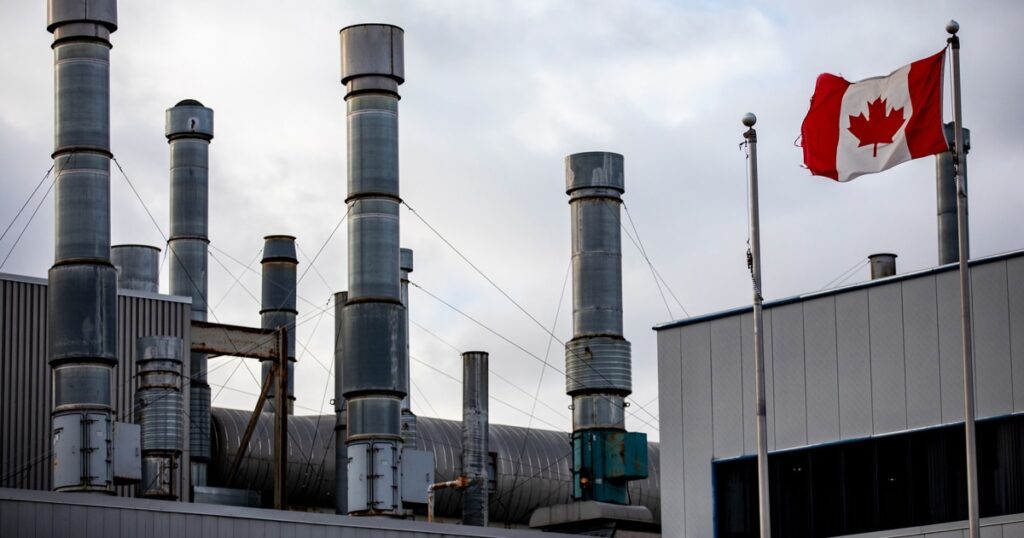
Stellantis has announced a temporary production halt at its assembly plants in Windsor, Canada, and Toluca, Mexico, in response to new 25% automotive tariffs imposed by U.S. President Donald Trump. The Windsor plant will pause operations for two weeks starting April 7, while the Toluca plant will halt production for the entire month of April, affecting thousands of workers. The decision aims to address the economic challenges posed by the tariffs while minimizing disruptions to the company's workforce and production capabilities.

In March, the United States saw a significant rise in announced layoffs, primarily due to federal workforce reductions led by the Department of Government Efficiency under Elon Musk, with approximately 280,253 layoffs announced over two months. This initiative aims to cut government spending and enhance operational efficiency, sparking debates about the balance between cost-cutting and maintaining essential services. As the nation continues to recover from the pandemic's economic impact, the long-term effects of these layoffs on public sector operations and employee morale remain uncertain.
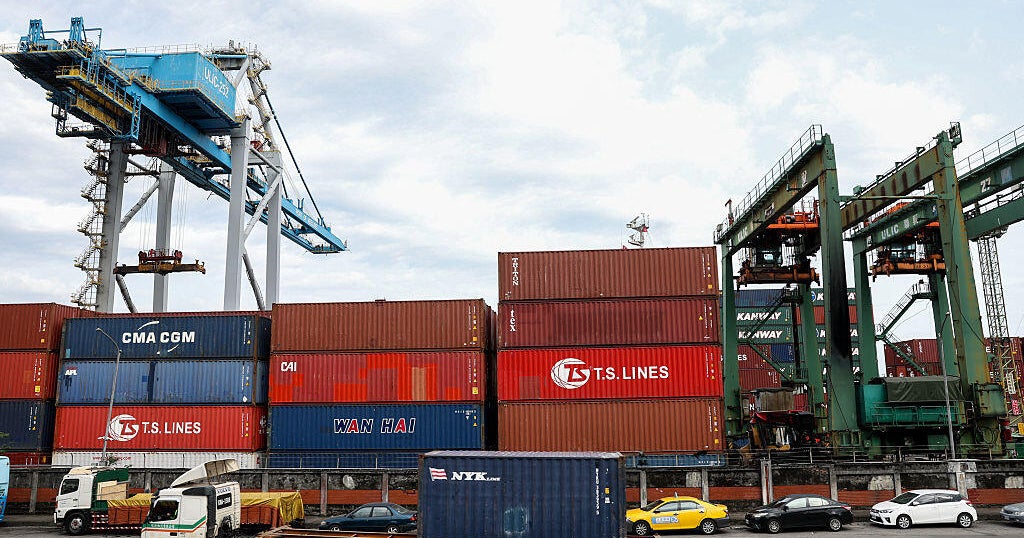
Global stock markets and oil prices fell sharply as investors sought safer assets following President Donald Trump's announcement of new U.S. trade tariffs, raising fears of a global recession. The tariffs, including a 10% baseline levy and additional reciprocal tariffs, particularly target Asian nations like China, which faces a 34% levy, prompting China to plan countermeasures. The tariffs have caused market fluctuations in Europe and sparked a global debate on the future of international trade, as approximately 90 countries will face additional taxes starting April 9.

President Donald Trump has announced new tariffs on imports from several Asian nations, including a significant 34% levy on Chinese goods, marking a major shift in U.S. trade policy. The termination of the de minimis trade exemption, effective May 2, is part of a broader strategy to counter perceived unfair trade practices, with additional reciprocal taxes set to impact goods from approximately 90 countries. These measures have sparked concerns about potential global trade disruptions and retaliatory actions, prompting stakeholders to prepare for changes that could affect supply chains and economic stability.
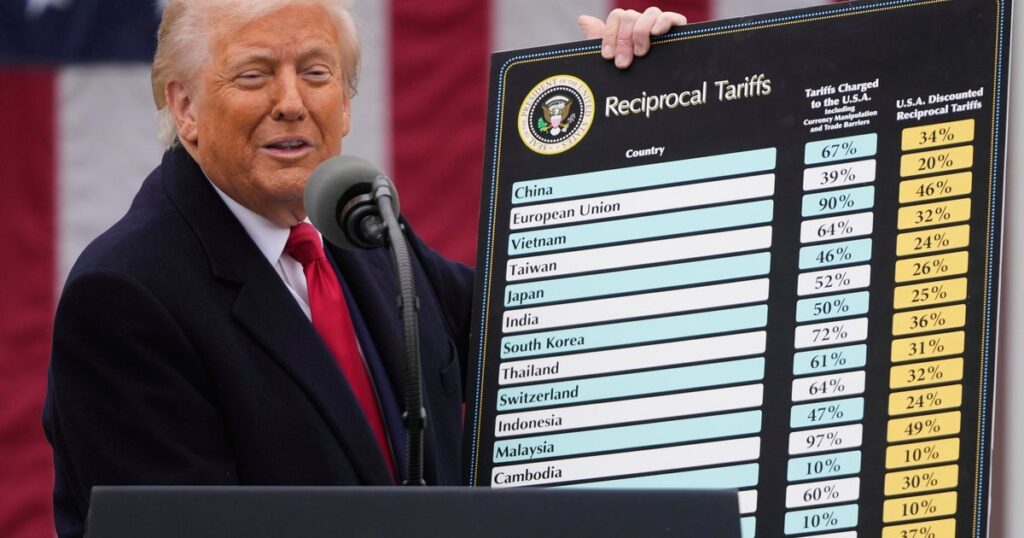
On April 2, President Donald Trump announced new tariffs, including a 10% universal tariff on imports and reciprocal tariffs targeting 60 trade partner countries, aiming to address trade imbalances. The announcement led to significant reactions in global markets, with declines in U.S. stock indexes and concerns about economic impacts, as companies reliant on global supply chains saw their stock values drop. The tariffs are expected to increase costs for U.S. importers like Walmart and Amazon, potentially leading to higher consumer prices and exacerbating financial strain amid existing inflationary pressures.
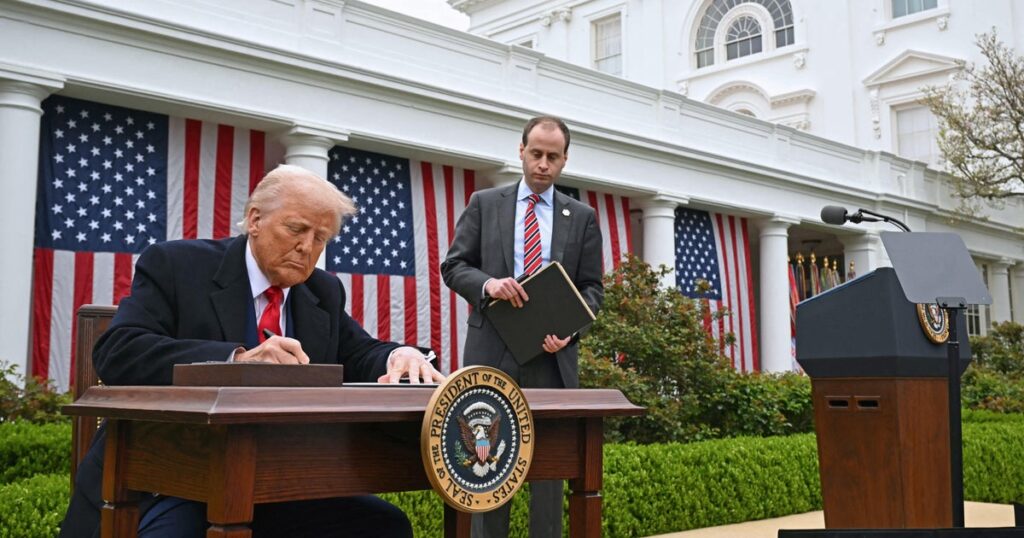
President Donald Trump announced new tariffs on imported goods, implementing a 10% baseline tariff on all foreign imports and higher reciprocal tariffs on countries that impose tariffs on U.S. exports. This marks a shift from his previous targeted approach, aiming to significantly alter the global trade landscape despite warnings of potential price increases. The administration's strategy, intended to address perceived unfair trade practices, risks retaliatory measures from affected countries and could lead to prolonged negotiations in global trade dynamics.