Key takeaways:
- Araghchi says a seven-day timetable for reopening the strait can begin once Washington accepts Iran’s proposal.
- The Guardian reports that Iran seeks oil-sanctions relief, the release of some frozen assets and an end to the war on all fronts in return.
- The June US-Iran agreement allowed toll-free passage for 60 days but broke down the following month.
Iran has offered to reopen the Strait of Hormuz within seven days if the United States meets its conditions, setting out a path to renewed talks as disruption to the Gulf shipping route drives up energy prices.
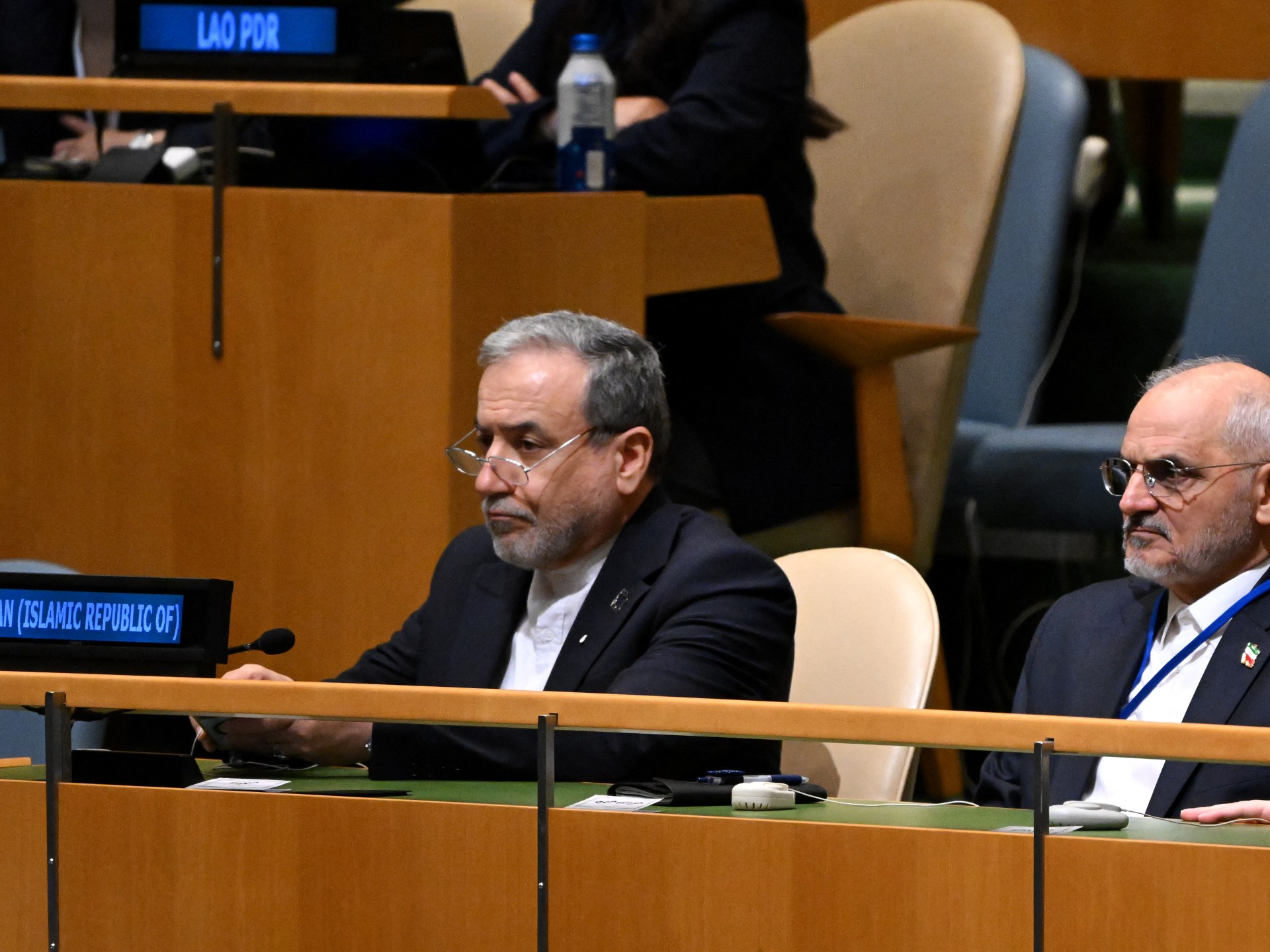
Foreign Minister Abbas Araghchi said Thursday in New York that Iran had delivered the proposal through mediators and was awaiting Washington’s answer. “The moment they accept this plan, from the next day, this timetable can start, and after seven days, the strait will be open,” he said, according to Al Jazeera. Qatar has been passing messages between the two countries during the United Nations General Assembly.
The Guardian reported that Iran’s offer would open the strait in six days and begin talks on its nuclear program the following day. In return, Iran wants the United States to lift sanctions on its oil exports, release some frozen Iranian assets and end the war on all fronts, including in Lebanon, the newspaper reported. Araghchi said the conditions followed a memorandum of understanding signed by the two countries in June.
Araghchi gave no detailed public account of what Washington must do before the timetable starts or how shipping would operate afterward. He said the plan resembles the June agreement, which briefly eased the conflict before it broke down the following month amid renewed confrontation over shipping routes.
That agreement called for an immediate halt to military operations on all fronts and a 60-day period for negotiating a lasting settlement. Iran agreed to let ships pass through the strait without tolls during that period, while the United States provided waivers for Iranian oil exports. The agreement deferred questions about Iran’s enriched uranium stockpile to broader talks. Araghchi did not say whether the toll-free arrangement was part of the new offer.
The Guardian reported that Iran says it has agreed with Oman on a temporary route through the strait and is ready to register its details with the International Maritime Organisation. Questions about possible tolls or navigation fees would be settled later, the newspaper reported.
The order of negotiations remains a central obstacle. Iran has said it will not enter broader peace talks, including discussions of its nuclear program, until a US naval blockade of its ports around the strait is lifted, sanctions are repealed and Washington guarantees an end to strikes. The United States wants the nuclear issue addressed immediately, Al Jazeera reported.
Araghchi met US envoy Steve Witkoff and Jared Kushner, President Donald Trump’s son-in-law, on Tuesday in Qatar-mediated talks. Araghchi called the exchange productive, but US Secretary of State Marco Rubio cautioned against describing it as a major breakthrough. Neither side has announced one as the war approaches seven months.
The strait between Iran and Oman is a major route for Gulf oil and gas exports. Brent crude traded at about $107 a barrel Thursday, according to The Guardian. At the UN on Tuesday, Trump accused Iran of waiting to see how his Republican Party fares in November’s midterm elections and predicted a deal afterward. He said the election did not govern his decisions on Iran: “The only thing that does is that Iran will never have a nuclear weapon.”






Be First to Comment