Key takeaways:
- Trump said U.S. representatives Steve Witkoff and Jared Kushner held a three-hour meeting with Iranian officials and called it very productive.
- Iran said its conditions include ending the war, stopping U.S. military and economic pressure, lifting the naval blockade and releasing Iranian assets.
- Iran has said the Strait of Hormuz could reopen within seven days if its conditions are met.
The United States and Iran held hours of Qatar-mediated talks in New York on Tuesday aimed at ending hostilities and reopening the Strait of Hormuz, but Tehran pushed back on suggestions that it had softened its conditions for a deal.
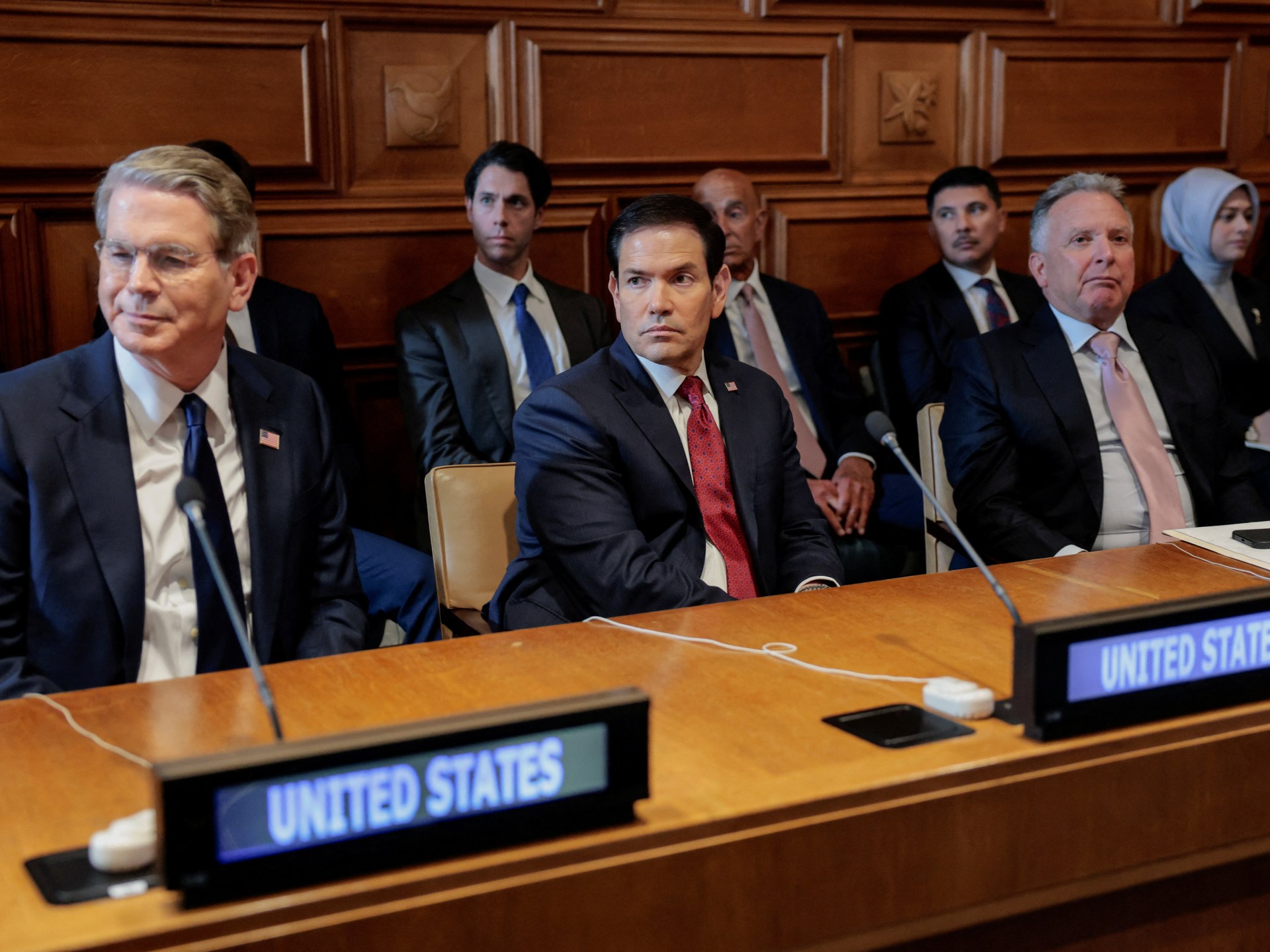
The discussions, held on the sidelines of the United Nations General Assembly, involved Iranian Foreign Minister Abbas Araghchi and U.S. representatives Steve Witkoff and Jared Kushner, according to accounts from U.S. and Iranian officials. President Donald Trump said the three-hour talks had gone “very well” and were “very productive,” and suggested more discussions could happen soon. Witkoff described the exchanges as “encouraging, constructive and successful.”
Al Jazeera reported differing accounts over whether the U.S. and Iranian sides met directly. Witkoff said in a post on X that mediators had “shuttled between the two sides throughout the day,” while Trump said Witkoff and Kushner had held a three-hour meeting with Iranian officials. Al Jazeera said the White House later clarified that Trump had not attended and that Witkoff and Kushner represented the U.S. side.
In Tehran, Foreign Ministry spokesperson Esmail Baghaei confirmed contact with the American side through Qatari mediation but did not confirm any shift in Iran’s position. “This interaction was aimed at conveying Iran’s conditions, including the end of the war in all its dimensions, the cessation of American aggressive actions, the naval siege, and the economic war, the release of Iranian assets and so on,” he said.
Iran has set seven preconditions before returning to talks and has said the Strait of Hormuz could reopen within seven days if those conditions are met. Iranian state media said Tehran’s demands include lifting the U.S. naval blockade, releasing frozen Iranian assets and ending the war on what Iran calls the “resistance” fronts. A senior Iranian official told Reuters that Iran’s New York delegation had full authority to pursue diplomacy and described the UN gathering as a “golden opportunity” for Washington to return to negotiations.
The Strait of Hormuz is a critical oil shipping route, and the prospect of further talks pushed Brent crude below $100 a barrel for the first time in two weeks, The Guardian reported. The newspaper said fewer than five identifiable tankers a day have recently been making it through the strait, though U.S. Navy estimates are much higher.
The maritime crisis has been compounded by uncertainty around the Bab al-Mandab strait, another energy transport chokepoint controlled in part by the Houthis, the Iranian-backed Yemeni paramilitaries. Iran is also under pressure from sanctions and a U.S. naval blockade that has made oil exports nearly impossible, while Iranian civilian aircraft faced possible worldwide grounding because of the threat of U.S. secondary sanctions.
The talks followed Trump’s UN address, in which he said he faced a “big decision” between reaching a deal that would allow Iran to rebuild and moving to “annihilate the Islamic Republic.” Iranian military bodies responded in a statement carried by Iranian media, calling the threat evidence of “strategic weakness” and warning of “more severe, crushing, and unpredictable blows” if Iran came under further attack.
Regional diplomacy continued alongside the U.S.-Iran contacts. Qatar said it was working with Pakistan to reduce tensions, protect freedom of navigation through Hormuz and promote regional stability. Qatar’s prime minister and foreign minister, Sheikh Mohammed bin Abdulrahman bin Jassim Al Thani, also met Araghchi in New York. Reuters reported that a Qatari proposal for a common security framework involving Iran and Gulf states was under consideration, though Qatar has not made it public.
Iranian President Masoud Pezeshkian, who arrived in New York as the talks were under way, is due to address the General Assembly. He has supported negotiations with Washington but has not played a direct role in the latest talks. He has said a June 17 memorandum of understanding with the U.S. remains the starting point, though its implementation collapsed after both sides accused each other of breaching its terms over control of the strait.


Be First to Comment