Key takeaways:
- The First Circuit declined to let the Trump administration enforce new USPS mail ballot rules before the November 3 midterm elections.
- The rules would require unique barcodes on mail ballot envelopes and voter information submitted through a Postal Service portal.
- The appeals court said the rule could cause chaos, widespread disenfranchisement and offered little evidence of combating voter fraud.
A federal appeals court on Thursday refused to let the Trump administration enforce new Postal Service rules for mail ballots before the November 3 midterm elections, warning that the changes could trigger confusion and widespread voter disenfranchisement with less than eight weeks before Election Day.
The First Circuit Court of Appeals in Boston declined to lift a preliminary injunction issued last week by U.S. District Judge Indira Talwani, who had barred the U.S. Postal Service from enforcing the rule. The decision marks the latest setback for President Donald Trump’s effort to change how mail-in voting is conducted ahead of the vote.
“The district court made detailed findings about the chaos and widespread disenfranchisement that would occur between now and November 3 should the Final Rule take immediate effect,” the appeals court said.
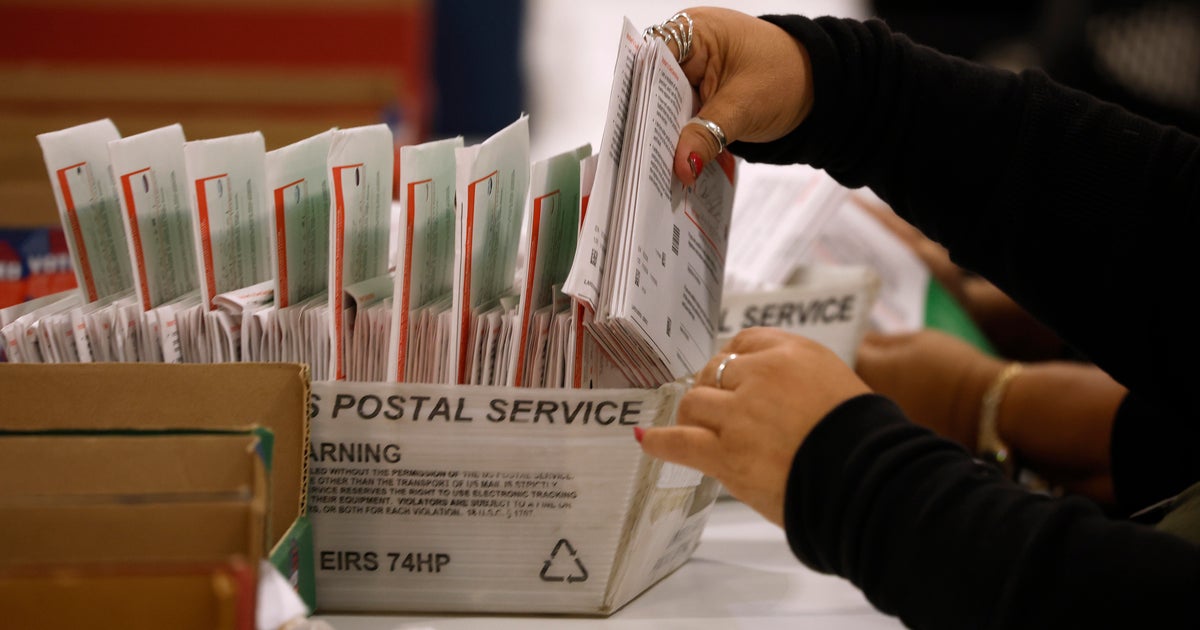
The rules, finalized by the Postal Service in late August, would require states and localities to redesign mail-in ballot envelopes to include unique barcodes that can be scanned. They also would have to submit information about voters slated to receive mail ballots, including names, addresses and individualized barcodes, through an online portal. Those voters would be enrolled with the Postal Service and placed on state-specific “Mail-In and Absentee Participation Lists.”
Under the rule, postal workers would review and verify ballot mail sent to voters. Ballot mailings that do not comply with the requirements “will not be accepted and will be returned” to election offices, the Postal Service said, according to CBS News. Al Jazeera reported that the Postal Service would retain the right to “not transmit mail-in or absentee ballots” if mailings do not meet the standards or if voters do not appear on the submitted lists.
Voting rights groups, including the League of Women Voters, challenged the rules, arguing they would disenfranchise voters who rely on mail ballots. A separate lawsuit has been filed by 24 states and the District of Columbia.
The Trump administration argues the requirements are needed to protect election security. In appeals court filings, the Justice Department said the plaintiffs’ case rested on an unfounded premise that the Postal Service intended to seize control of election administration. It said state election officials would retain control over who may vote by mail and that the Postal Service would only ensure compliance with “modest” envelope design requirements.
Solicitor General D. John Sauer also asked the Supreme Court to stay what he called Talwani’s “baseless injunction,” arguing the rule “is a lawful exercise of USPS’s express statutory authority to regulate the design of envelopes and the information needed about addressees,” CBS News reported.
The First Circuit panel rejected the administration’s request, saying officials had not shown the lower court erred in finding the rule likely unlawful. The judges said the rule was likely a regulation of the manner of holding congressional elections, an area the Constitution assigns to states and Congress, not to an executive agency acting without congressional authorization.
The panel also cited practical problems, including that “it would be impossible for some States to reprint compliant envelopes” and that the Postal Service would face the “herculean task” of scanning “tens of millions of ballot envelopes” using a digital portal that is not yet functional.
The judges wrote that the administration had not seriously challenged the finding that the rule could cause “chaos and widespread voter disenfranchisement.” They added that “there is no record evidence of past fraud or a likelihood of impending fraud related to the November 3 election,” and said the rule would likely disenfranchise millions while providing minimal, if any, gains against voter fraud.
The appellate panel consisted of Judges Gustavo A. Gelpí, Julie Rikelman and Seth Aframe, all appointed to the First Circuit by President Joe Biden.
The Supreme Court has not yet ruled on the administration’s latest emergency request, CBS News and Al Jazeera reported. The Guardian reported that the Supreme Court also blocked Trump’s efforts to introduce new requirements around mail-in voting.
All 50 states allow some form of mail-in voting. Twenty-nine states allow voters to request mail ballots without giving a reason, and eight conduct elections entirely by mail. The rules followed a March executive order by Trump calling for tighter regulation of mail voting.






Be First to Comment