Key takeaways:
- CENTCOM said all Iranian ballistic missiles fired at U.S. forces were intercepted and troops remained at a high state of readiness.
- U.S. and Saudi forces struck logistics and weapons sites in eastern Iraq after more than 30 IRGC-directed drone attacks in 72 hours, according to CENTCOM.
- Iran said it struck three oil tankers in the Strait of Hormuz and rejected Oman’s proposal to jointly manage traffic through the waterway.
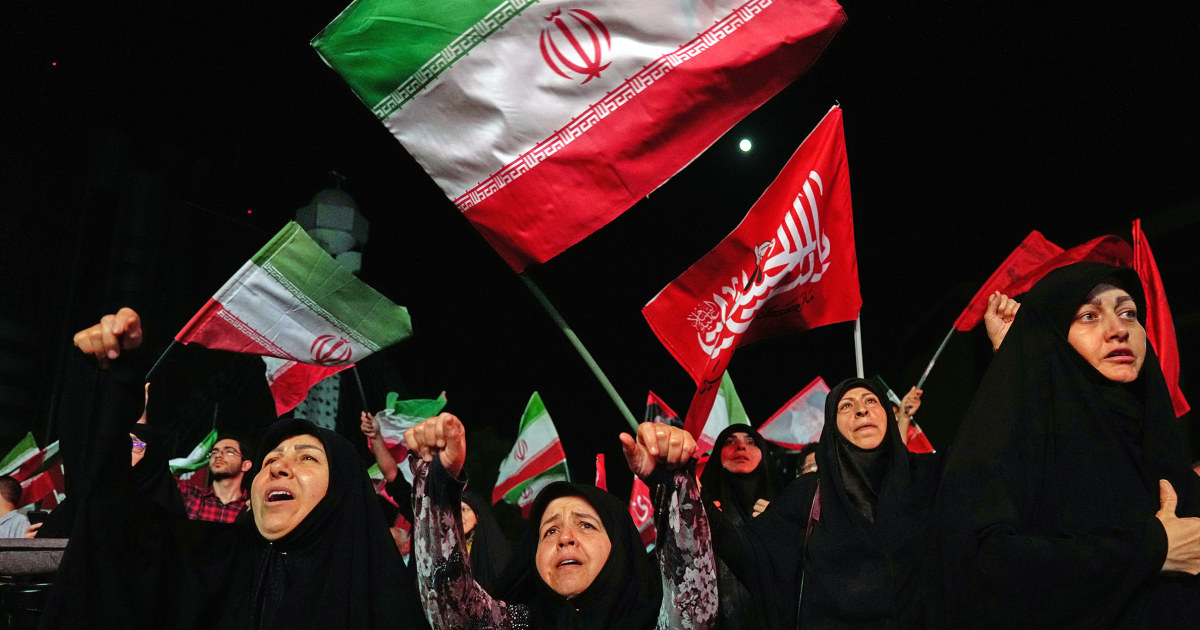
Iran launched ballistic missiles at U.S. forces in the Middle East and struck three oil tankers in the Strait of Hormuz, ending a brief lull in hostilities and prompting U.S. and Saudi forces to hit Iran-aligned targets in Iraq.
U.S. Central Command said on X that Iran’s Islamic Revolutionary Guard Corps fired multiple ballistic missiles in an “attempted surprise attack” on U.S. forces based in the region at about 5:45 p.m. Tuesday. CENTCOM said all the missiles were intercepted and that U.S. troops remained “vigilant and at a high state of readiness.” The Jordan News Agency reported five missile interceptions over Jordan, according to Al Jazeera.
Iran’s Revolutionary Guards said their air force targeted a U.S. air base and a U.S. Central Command center in Jordan “with several ballistic missiles,” according to Iranian state media. “As long as threats against the Islamic Republic of Iran continue and illegal and vicious actions by American forces against our interests continue, the resistance will continue,” the IRGC said in a statement carried by Iran’s IRIB broadcaster.
Hours after the missile launches, CENTCOM said U.S. forces and the Saudi Arabian Armed Forces carried out “precision strikes” in Iraq against “Iran-aligned terrorists” that it said had been directed by the IRGC to attack U.S. forces and Saudi energy infrastructure. CENTCOM said U.S. and Saudi fighters struck multiple logistics and weapons sites across eastern Iraq in response to more than 30 IRGC-directed drone attacks in the previous 72 hours.
“The IRGC and its terrorist proxies must cease these attacks to avoid further U.S. military response,” CENTCOM said.
CENTCOM did not identify the militias targeted. The Popular Mobilization Forces, an umbrella group of mostly Shia pro-Iranian armed factions, said on X that several of its headquarters in Iraq were attacked and that several members were killed. The group called the strikes a “highly dangerous escalation” and a “violation of Iraq’s sovereignty.”
Saudi Arabia’s Defense Ministry appeared to acknowledge the operation separately, saying on X that “the Kingdom emphasizes that it does not seek escalation but will respond to any aggression it faces.”
The renewed fighting came after President Donald Trump paused a U.S. bombing campaign on Iran on July 24, saying “good talks” were underway. NBC News reported that Iran had suspended attacks amid a renewed push for a deal with Washington, while warning earlier this week that it would not allow the United States to dictate the “timing of war and peace.” Trump said Monday aboard Air Force One that he believed there was a “chance we can make a deal,” but said Tuesday on Fox News’ “Fox & Friends” that if an agreement could not be reached, he would “finish the job.”
The Iranian attacks also coincided with Trump’s meeting in Washington with Israeli Prime Minister Benjamin Netanyahu. Andreas Krieg, a senior lecturer at King’s College London’s School of Security Studies, told NBC News that Iran likely launched the attack to “shape the negotiations through force, not because it had abandoned diplomacy.” Jason Campbell, a senior fellow at the Middle East Institute, told Al Jazeera that Tehran was “trying to retake the initiative and the momentum with these latest attacks.”
Tensions also rose in the Strait of Hormuz, where Iran says it has imposed a blockade. Iran’s navy struck three oil tankers that it said were violating the blockade, Iranian state media reported. The IRGC said the tankers “continued to move along an unsafe and illegal route, ignoring our warnings,” according to Tasnim news agency.
Oman has proposed jointly managing traffic in the strait, but Iranian Deputy Foreign Minister Kazem Gharibabadi told state television that Tehran rejected splitting transit routes equally. He said Iran proposed managing shipping on its side of the strait, while Oman would manage part, but not all, of the opposite lane.
Oil prices rose after the attacks. Al Jazeera reported that U.S. oil futures jumped more than 4 percent to above $82 a barrel, while Brent crude rose above $88 a barrel.







Be First to Comment