Key takeaways:
- Sir Sadiq Khan was nominated as one of 16 Labour peers in a 26-person House of Lords appointments list published by Downing Street.
- The list also includes five Liberal Democrats, three Conservatives and two crossbench peers, including Sir Chris Wormald and Sir Brian Leveson.
- Reform UK received no peerages, prompting Nigel Farage to call the appointments “the uniparty writ large”.
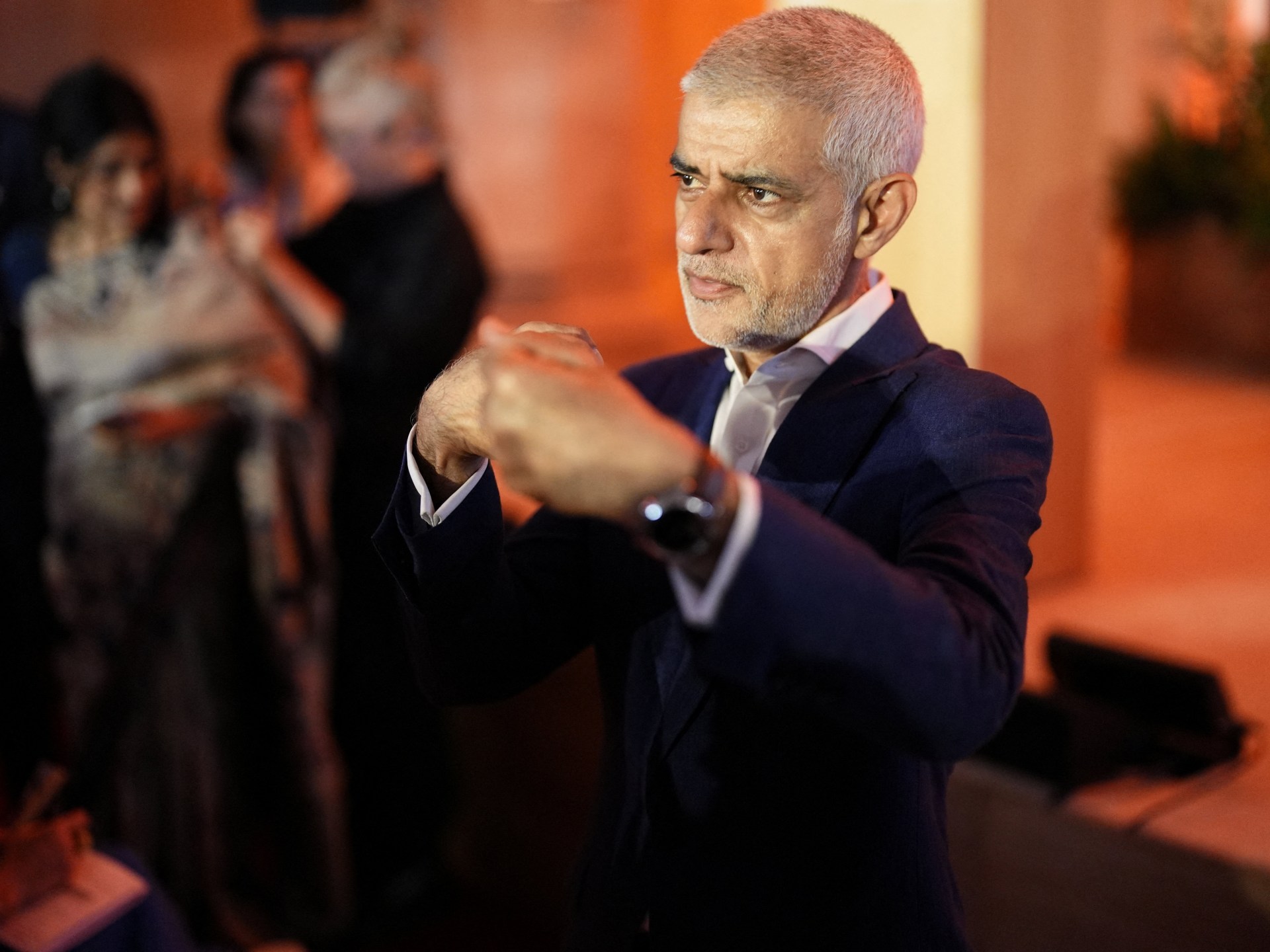
London Mayor Sir Sadiq Khan has been nominated for a seat in the House of Lords as one of 26 new peers named in one of Sir Keir Starmer’s final acts as prime minister.
Downing Street published the list of nominations on Thursday and said the King “has been graciously pleased to signify his intention of conferring peerages”. The appointments would allow the nominees to sit for life in the upper chamber, where peers scrutinise, revise and vote on UK legislation.
Sir Sadiq, a former Labour MP for Tooting, is halfway through his third term as London mayor after first being elected in 2016. His nomination is one of the most prominent on the list. The BBC reported that he has not decided whether to seek a fourth term as mayor in 2028, and that he is not seeking a ministerial role in Andy Burnham’s incoming government.
A spokesperson for the mayor said Sir Sadiq was “honoured to be given a peerage”.
“He is excited about what more can be delivered in the years ahead and he will devote his time and energy to standing up for our city and building a fairer, safer and greener London for everyone,” the spokesperson said.
A government source praised him as “a brilliant mayor who has transformed London for the better” and said the peerage was “thoroughly deserved”. The source said Sir Sadiq had “cut violent crime to record lows, cleaned up the capital’s air, delivered the Elizabeth Line, and got London building council homes again”.
The list includes 16 Labour nominees, five Liberal Democrats, three Conservatives and two crossbench peers. Labour’s nominees include broadcaster June Sarpong, former union chief Christina McAnea, human rights campaigners Parvais Jabbar and Saul Lehrfreund, and Cathy Ashley, a families’ rights campaigner and former head of the Holocaust Memorial Day Trust.
The Liberal Democrat nominees include agricultural economist Julia Aglionby, former Barnsley councillor Hannah Kitching, economist Tim Leunig, campaigns director Dave McCobb and offshore wind entrepreneur Mark Petterson. Liberal Democrat leader Sir Ed Davey said he was “delighted” by the nominations and said the group had “the right skills, experience and values to help us hold the Government to account, deliver the change people need, and fix our broken politics, including reforming the House of Lords”.
The Conservative nominees are former head of the army General Sir Patrick Sanders, Carphone Warehouse co-founder David Ross and Swaran Singh, professor of social and community psychiatry at the University of Warwick. A Conservative Party spokesman said the party was “delighted” they would join its team in the Lords, adding: “They each bring immense experience from the worlds of business, defence and healthcare.”
The two crossbench nominees are former cabinet secretary Sir Chris Wormald and Sir Brian Leveson, a retired senior judge who led the 2011 Leveson Inquiry into the conduct of the British press after the phone-hacking scandal.
Reform UK received no nominations. Party leader Nigel Farage called the appointments “the uniparty writ large” and said: “Once again there is nothing for Reform and we get an even more unrepresentative upper house.” Al Jazeera reported that Reform UK has seven MPs in the House of Commons following Farage’s resignation earlier this month, while Farage remains party leader.
The BBC reported that the cross-party list was being prepared before Starmer announced his resignation as Labour leader last month and described it as a list of political peerages rather than the resignation honours prime ministers usually grant when leaving office.
The appointments come as Starmer prepares to leave Downing Street, with Burnham due to become prime minister on Monday. Al Jazeera reported that Burnham is expected to succeed him as Labour leader on Friday and as prime minister on Monday, July 20.
The nominations also renewed scrutiny of Labour’s position on the Lords. Labour said in 2022 it planned to abolish the chamber and replace it with a “new, reformed upper chamber”, but later committed to considering alternatives while immediately removing the 92 hereditary peers, which it did this year.
Burnham has called for a complete overhaul of the unelected Lords. “I don’t think we can justify half of our national legislature being unelected,” he told The House magazine last month. “I think this is something that is, in many ways, quite scandalous.”
Darren Hughes, chief executive of the Electoral Reform Society, said Labour supporters would be baffled by the latest appointments and called on the next prime minister to “make good on the promise of reform” by turning the Lords into “a smaller, democratic chamber that is more representative of and accountable to the people of this country”.




Be First to Comment