Key takeaways:
- Andy Burnham is the only declared Labour leadership candidate after Al Carns ruled out a bid and other possible rivals backed him.
- Labour candidates need nominations from 81 MPs and either 32 local branches or three affiliated organisations, including at least two unions.
- If Burnham runs unopposed, he will be declared Labour leader next week and would become prime minister on July 20.
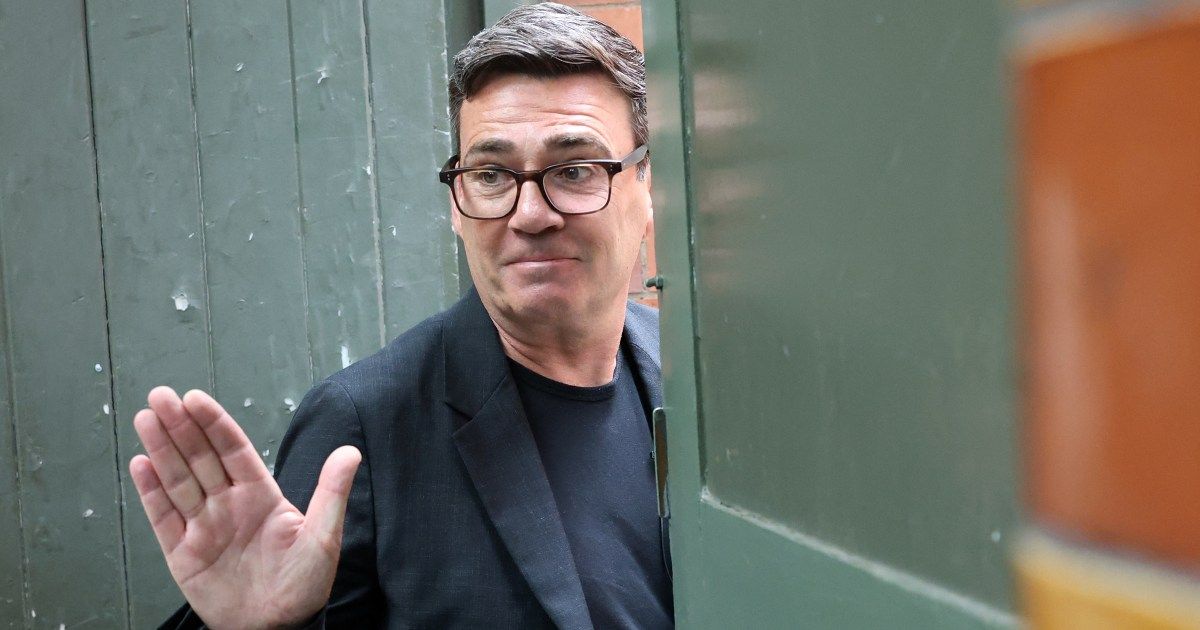
Andy Burnham is on course to become Labour’s next leader and prime minister after nominations opened Thursday with no rival yet standing against him.
Labour MPs can now formally endorse candidates to replace Prime Minister Keir Starmer, who announced last month that he plans to step down as party leader and prime minister. The party is expected to publish an initial tally of nominations at about 19:00 BST on Thursday, offering the first formal measure of Burnham’s support among Labour MPs.
Burnham, the former Greater Manchester mayor, is the only declared candidate. If no challenger emerges, he will be declared Labour leader at a party event at the end of next week and would become prime minister on July 20, just weeks after returning to Parliament in a Makerfield by-election following a decade away from Westminster.
Former defence minister Al Carns, who had suggested he might run, ruled himself out Wednesday evening. That decision further cleared Burnham’s path after other possible rivals, including Wes Streeting, threw their support behind him. Al Jazeera reported that Home Secretary Shabana Mahmood and former Deputy Prime Minister Angela Rayner had been floated as potential challengers, but neither had signalled plans to run; Rayner has indicated support for Burnham.
Labour rules require leadership candidates to be elected, serving Labour MPs and to secure nominations from 81 Labour MPs. They must also be backed by either 32 of Labour’s 634 local branches or by three of the party’s 31 affiliated socialist societies and trade unions, including at least two unions. MPs have until Wednesday to nominate candidates.
If Burnham secures 323 MP nominations, it would become mathematically impossible for any rival to reach the 81-MP threshold, effectively confirming his path to the leadership before Labour members and affiliated union supporters cast any votes.
In a contested race, Labour members and affiliated unions would vote between August 6 and 27, with results expected on August 29, Al Jazeera reported. Voters would need to have been Labour Party members for at least six months before the election was scheduled. If no candidate won more than 50 percent of first-preference votes, lower-ranked candidates would be eliminated and their votes redistributed until a winner emerged.
Burnham confirmed on social media that he had submitted his nomination, writing that “it’s all starting to feel very real”. He joked that it would be “hopefully third time lucky”, referring to his failed leadership bids in 2010 and 2015.
The prospect of an uncontested contest has prompted calls within Labour for Burnham to give more detail about his plans. He is currently expected to be the only participant in an official parliamentary hustings Monday, where Labour MPs can question him about his agenda. “Access talks” with civil servants about his policy proposals are under way, led by Cabinet Secretary Antonia Romeo.
Burnham outlined parts of his programme in a Manchester speech last week, including plans to establish a new No 10 unit in the city to give local government more control over areas such as housing and transport. Al Jazeera reported that he has advocated devolution, a large social housing programme and expanded social care. In June, he pledged to “bring about the biggest rebalancing of power our country has seen” and said, “We need a new determination to raise living standards of every single person in this land.”
He has also pledged to give all parts of the UK “greater public control” of the water and energy sectors, though he has not yet explained what that would mean in practice.
On defence, Burnham wrote in The Times that he wants to keep national security adviser Jonathan Powell in post and supports a “sustained increase” in defence investment, without naming a target. He also said government should be “more open with the public” about cost overruns or delays in military procurement. In one of his final decisions as prime minister, Starmer announced plans to increase military spending by £15bn over four years by cutting spending elsewhere in government, leaving the details to his successor.



Be First to Comment