Key takeaways:
- U.S. forces carried out a sixth consecutive night of strikes in Iran, hitting bridges, a railway junction, power infrastructure and a maritime control tower, according to U.S. and Iranian reports.
- Iran said at least eight people were killed overnight, while Iranian health officials put the past week’s toll at 38 dead and more than 400 wounded.
- Iran’s Revolutionary Guard claimed retaliatory attacks on U.S.-linked targets in Kuwait, Qatar, Bahrain, Oman, Jordan and Syria; several countries reported interceptions, and Qatar said a child was injured by falling shrapnel.
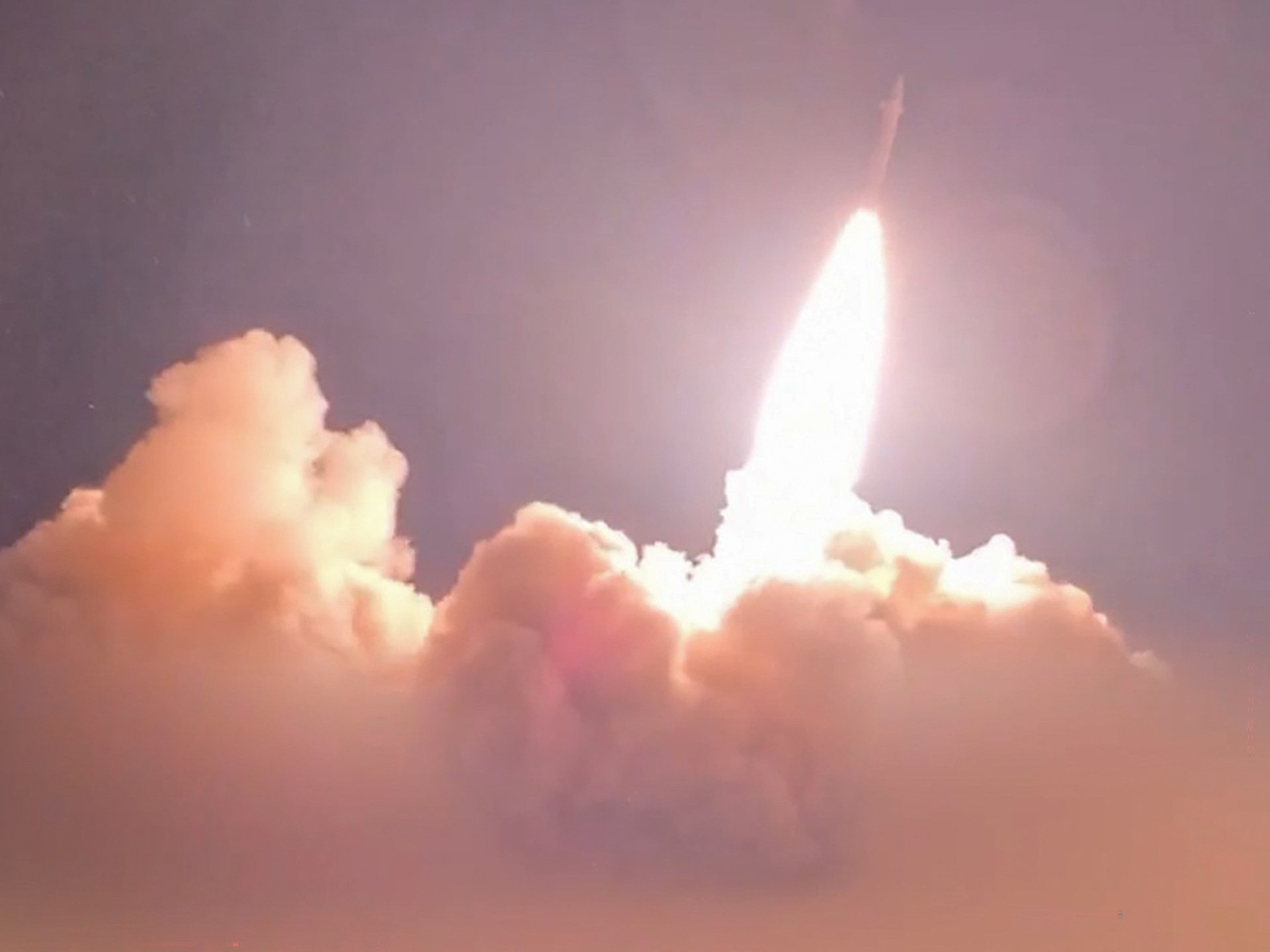
The United States struck bridges, port facilities and other infrastructure in southern Iran overnight into Friday, expanding a six-night air campaign as Tehran retaliated with missiles and drones aimed at U.S. bases and allies across the Middle East.
The latest attacks deepened a rapidly widening conflict over the Strait of Hormuz, the crucial waterway where shipping traffic has fallen sharply and oil prices have jumped. U.S. Central Command said American forces struck Iranian air defense sites, “military logistics infrastructure” and “maritime capabilities.” Iranian officials and state media said the strikes hit civilian infrastructure, including at least six bridges in Hormozgan province, a railway junction west of Bandar Abbas and power infrastructure in the south.
Iranian state media reported at least eight people were killed and 20 injured in the overnight strikes. NPR reported that Iranian state media put the death toll at at least seven. Iranian health officials said 38 people have been killed and more than 400 wounded in U.S. attacks over the past week.
The bridge and railway strikes appeared aimed at cutting Bandar Abbas, Iran’s main port city, from routes leading toward Tehran. Iranian media identified several damaged bridges, including one still under construction. Iran’s energy ministry asked people in southern provinces to reduce electricity use after acknowledging damage to power infrastructure, and Al Jazeera reported power outages in Bandar Abbas and nearby villages.
The U.S. strikes also damaged or destroyed a maritime control tower in Chabahar, a major port on the Gulf of Oman. Defense Secretary Pete Hegseth posted an image on X showing the tower collapsing as smoke rose around it. Iran’s Mehr news agency said repeated attacks on the tower could affect port operations.
President Donald Trump, who had threatened to strike Iranian infrastructure if Tehran did not return to talks, defended the campaign in a primetime address ahead of the midterm elections. “We are likewise winning big in Iran, and you will see the fruits of that labor very, very shortly,” Trump said.
Iran’s Islamic Revolutionary Guard Corps said it responded Friday with a new wave of missiles and drones targeting U.S. military bases and facilities in the region. The IRGC said it struck or targeted sites in Kuwait, Qatar, Bahrain, Oman, Jordan and Syria, including radar facilities, weapons depots, two HIMARS missile launchers and a U.S. special operations command center at al-Tanf in Syria. NBC News and NPR said they could not verify the Iranian claims, and there was no immediate comment from the Pentagon or U.S. Central Command.
Qatar’s authorities said air defenses intercepted hostile projectiles and that a child was injured by falling shrapnel over Doha. Bahrain sounded air raid sirens and urged residents to seek safety. Kuwait, Bahrain and Qatar said their air defenses were intercepting attacks, NPR reported, while Jordan’s military said it shot down three Iranian missiles and reported no casualties. Iranian strikes were also reported in Iraq’s Kurdistan region, where at least eight opposition fighters were killed, according to a Kurdish Iranian opposition group cited by NPR.
The fighting follows the collapse of a ceasefire and interim agreement over the Strait of Hormuz. Iran has declared the waterway closed and has sought to move ships along a route near its shores while collecting a transit fee. The United States has urged ships to use a southern route near Oman and reimposed a naval blockade on vessels entering or leaving Iranian ports.
Daily ship traffic through the strait has dropped to about a dozen vessels this week, according to Kpler, after a brief surge during the ceasefire. NPR reported that oil prices rose 10% this week.
Despite the escalation, communication channels between Washington and Tehran appear to remain open. White House Press Secretary Karoline Leavitt said Thursday that Iran wants to “make a deal with us” and that U.S. strikes were a response to Iran firing on commercial vessels. Trump also hailed what he called the “goodwill” release of Dena Karari, an American imprisoned in Iran since 2024; a White House official told NBC News she was safely outside Iran and expected to return home in the coming days.









Be First to Comment