Key takeaways:
- The UK nationalised British Steel on Thursday after previously taking operational control of its Scunthorpe operations while Jingye retained ownership.
- China’s Ministry of Commerce said the move infringed on Jingye’s rights and urged Britain to meet its obligations under the China-UK investment treaty.
- British Steel supports about 2,700 jobs and was losing 700,000 pounds a day, according to Jingye; the National Audit Office said Scunthorpe was costing the UK government about 1.3 million pounds a day.
China sharply criticised the UK’s nationalisation of British Steel, warning that the move has damaged Chinese investor confidence and infringed on the rights of the company’s former owner, Jingye Group.
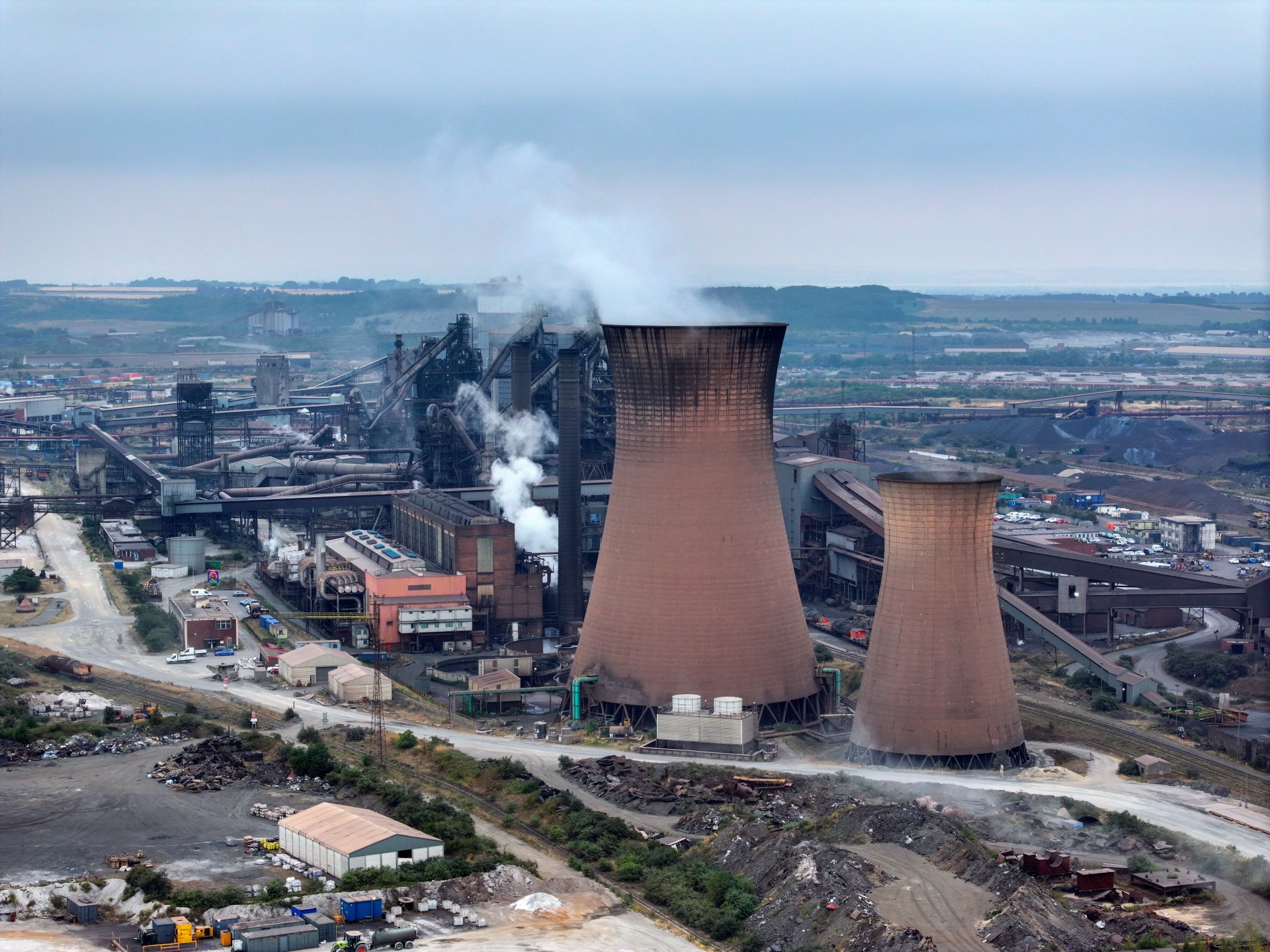
The UK government said Thursday it had taken the loss-making steelmaker into public ownership to protect jobs and safeguard what it called a “vital national capability.” British Steel operates the Scunthorpe steelworks, the UK’s last source of primary steelmaking, and supports about 2,700 jobs at the site and across the wider supply chain.
China’s Ministry of Commerce said Friday that it “firmly opposes and is strongly dissatisfied with the British government’s decision.” The ministry said the nationalisation “seriously infringed upon Jingye’s legitimate rights and interests and severely undermined the confidence of Chinese companies investing in the UK.”
“Disregarding Jingye’s significant contribution to the UK economy and society, the British side forcibly took control of the company in the name of national security,” the ministry said.
Beijing urged Britain to “faithfully fulfil” its obligations under the China-UK Bilateral Investment Treaty, also referred to by Al Jazeera as the China-UK Investment Protection Agreement. The ministry said it would monitor developments closely and support Chinese firms in protecting their rights, but did not specify what steps that might involve.
Jingye, one of China’s 100 biggest companies, bought British Steel in 2020 for 70 million pounds, or about $94 million. By 2025, the company said British Steel was losing 700,000 pounds, or about $942,000, a day.
The UK had already taken operational control of British Steel’s Scunthorpe operations last year, while Jingye retained ownership. That arrangement limited the government’s ability to decide the company’s long-term future. The full nationalisation followed Parliament’s passage Wednesday of legislation allowing the government to bring the steel industry into public ownership when a public interest test is met.
The move followed months of concern over the future of Scunthorpe’s blast furnaces. Al Jazeera reported that in March 2025, Jingye held a consultation that concluded the furnaces were not financially sustainable. The following month, Jingye cancelled orders for a key material used in steelmaking, raising fears it planned to shut down the blast furnaces. The UK government then seized operational control to prevent that from happening.
With ownership now transferred, the government has the power to decide the future of the plant while keeping the blast furnaces operating. It said it will appoint an independent valuer to assess whether any compensation is payable to Jingye. The BBC reported that Jingye is seeking compensation, though the broadcaster said it had been unable to obtain a response from the company to Thursday’s announcement.
The financial burden remains significant. In March, the National Audit Office said the Scunthorpe steelworks was costing the government about 1.3 million pounds a day. Business Secretary Peter Kyle told the BBC the government would need to cover running costs “for the immediate future.” The BBC reported that the government is unlikely to want to run the business in the long term, as it is costing more than 1 million pounds a day.
The dispute could add strain to relations between London and Beijing. The BBC reported that Andy Burnham is set to become prime minister on Monday and will have to weigh his approach to the issue against the economic benefits of ties with China, the world’s second-largest economy.





Be First to Comment