Key takeaways:
- U.S. Central Command said American forces struck dozens of Iranian air-defense, radar, missile, drone and small-boat targets using aircraft, naval vessels and attack drones.
- Iran’s Revolutionary Guard claimed retaliatory strikes on U.S.-linked military targets in Bahrain, Oman and Kuwait, while Jordan said it intercepted four Iranian missiles.
- Brent crude rose 4.7% to $79.59 a barrel and U.S. crude rose 4.8% to $74.85 as fighting disrupted shipping concerns around the Strait of Hormuz.
The United States and Iran traded fresh attacks across the Gulf, putting a fragile ceasefire under new pressure and intensifying a fight over control of the Strait of Hormuz, one of the world’s most important energy shipping routes.
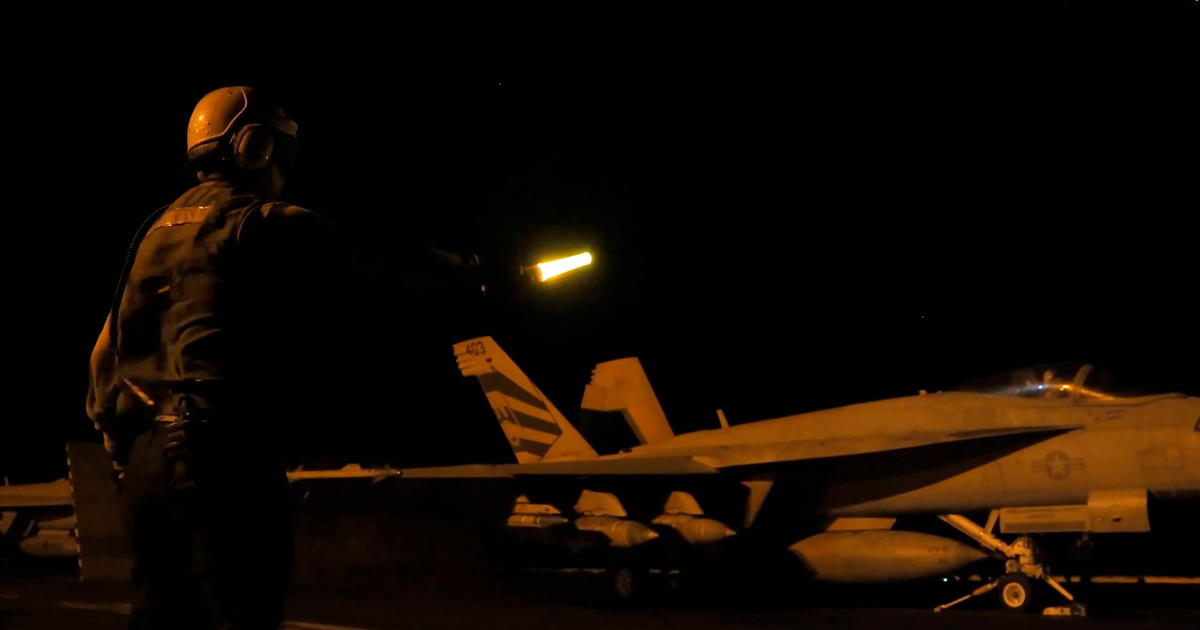
U.S. Central Command said American forces struck dozens of targets at several locations across Iran in the latest wave of attacks. CENTCOM said the strikes hit “military air-defense systems, coastal radar sites and missile and drone capabilities and small boats” using fighter aircraft, naval vessels, one-way attack aerial drones and, for the first time, one-way attack sea drones.
The command said the operation was intended to degrade “Iran’s ability to continue attacking international shipping flowing through the Strait of Hormuz.” It also rejected Tehran’s claim that the waterway was closed, saying Iran “does not control” the vital shipping lanes.
Iranian officials said the U.S. strikes hit eight cities in Khuzestan province, killing one security guard and injuring four people at a water station in Mahshahr. Iran’s foreign ministry condemned the attacks, saying they had “rendered futile” diplomatic efforts in recent months and had “caused the return of insecurity in the Strait of Hormuz and disruption of international commercial shipping.”
Hours later, Iran’s Islamic Revolutionary Guard Corps said it attacked U.S.-linked military targets in several Gulf countries. The IRGC said it targeted a long-range FPS air surveillance radar in Bahrain, a vessel detection radar system in Oman and a U.S. Army surface-to-surface missile base in Kuwait. It claimed the strike in Kuwait destroyed two missile launchers and nearby storage facilities, causing significant damage.
Bahrain issued several alerts urging residents to remain calm and go to the nearest safe location. Jordan’s military said it intercepted four missiles that entered its airspace from Iran. “At dawn today, air defence systems intercepted and shot down four missiles that had entered Jordanian airspace from Iranian territory,” an official source from the Jordanian General Staff said, adding that there were no reports of injuries or property damage.
The latest attacks followed another round of U.S. strikes on Saturday, when Washington said it hit about 140 targets across Iran in retaliation for IRGC attacks on commercial shipping and Tehran’s announcement that the Strait of Hormuz had been closed. CBS News reported that the United States launched several waves of strikes into Monday morning after an Iranian attack on a container ship in the strait that set it ablaze and left a crew member missing over the weekend.
The fighting has shaken energy markets. Brent crude, the international benchmark, rose 4.7% to $79.59 a barrel Monday, while U.S. benchmark crude added 4.8% to $74.85. Both prices had recently fallen back near pre-war levels after an interim agreement and the resumption of oil shipments through the strait.
The current crisis has strained a Memorandum of Understanding agreed by Washington and Tehran in mid-June. The deal extended an April ceasefire, began reopening the Strait of Hormuz and set a framework for negotiations on issues including Iran’s nuclear programme. The wider war began on February 28 with U.S.-Israeli strikes on Iran.
Control of the strait remains a central dispute. About 20% of global energy exports passed through it before the conflict erupted. President Donald Trump has sought lower oil and gas prices ahead of this year’s midterm elections, while Tehran has insisted that vessels transit through the lane closest to its coastline to preserve its control over traffic. Iran has repeatedly targeted ships using the southern route closer to Oman, and Kpler shipping data showed Monday that vessel traffic through the strait had fallen to its lowest level in five weeks.
U.N. Secretary-General António Guterres warned against a return to wider war. “A return to full-scale hostilities would have catastrophic consequences – for the peoples of the region, for international peace & security & for the global economy,” he said, adding that the attacks “must all stop.”











Be First to Comment