Key takeaways:
- The U.S. did not agree by the July 1 deadline to extend the USMCA with Canada and Mexico through 2042.
- The agreement remains in force and will face annual reviews until its scheduled expiration in 2036 unless the three countries reach another extension deal.
- The U.S. plans to meet with Mexico during the week of July 20 for further bilateral negotiations on the trade pact.
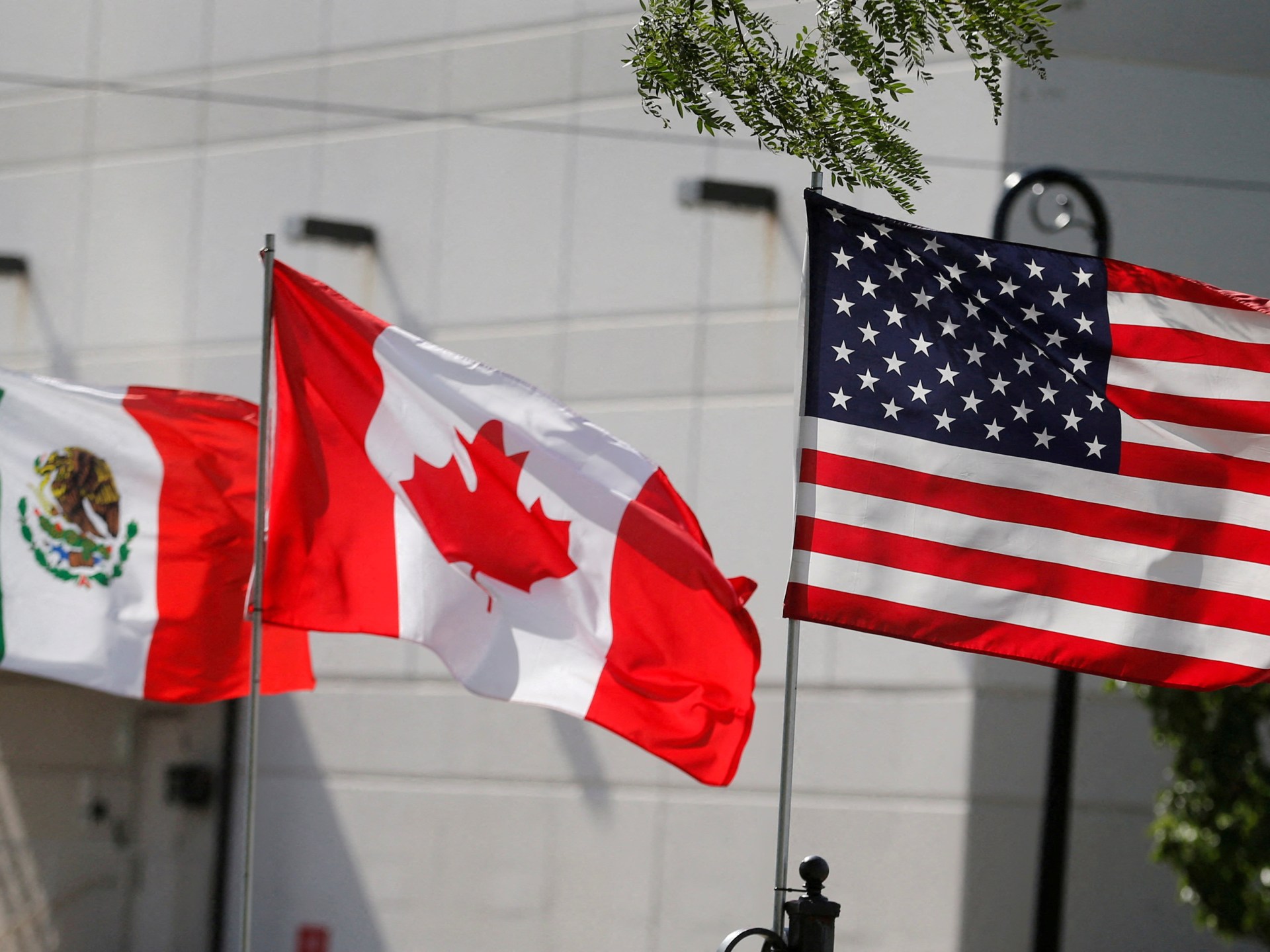
The United States will not extend its trade agreement with Canada and Mexico in its current form, keeping the pact in force but subjecting it to annual reviews until its scheduled expiration in 2036 unless the three countries reach a new deal.
July 1 was the deadline for the United States, Mexico and Canada to decide whether to renew the United States-Mexico-Canada Agreement, or USMCA, through 2042. U.S. Trade Representative Jamieson Greer said Washington would not agree to that extension.
“The United States did not agree to renew the USMCA in its current form,” Greer said in a statement. “As a result, the USMCA is not renewed. The United States will continue to engage with Mexico and Canada to address the Agreement’s shortcomings and our trade deficits with these countries.”
In a separate statement reported by CBS News, Greer said the agreement “remains in force pending resolution of these issues or until the agreement’s termination.”
The USMCA took effect on July 1, 2020, replacing the 1994 North American Free Trade Agreement. It was negotiated during President Donald Trump’s first term and included a mandatory joint review after six years. The agreement is set to expire after 16 years, in 2036, unless the parties agree to extend it.
Trump praised the pact when it became law, calling it the “fairest, most balanced, and beneficial trade agreement we have ever signed into law,” according to CBS News. He has since criticized it. Speaking to reporters in June, he said the U.S. would “do better as a country” without the agreement. Al Jazeera reported that Trump said in January there was “no real advantage to it; it’s irrelevant.” On June 10, he said, “I don’t know that I’m going to renew it,” while adding, “We’re talking to them. We’ll see if we do something.” A week later, during a visit to Paris, he said, “I would rather not have the agreement, but I may sign it.”
Mexico’s Economy Minister Marcelo Ebrard confirmed in a video on X that the U.S. had opted not to extend the USMCA, Al Jazeera reported. Canada has supported extending the deal. Dominic LeBlanc, Canada’s minister of internal trade, said after the U.S. announcement that the three countries agreed “on the importance of continuing our discussions and identifying ways to ensure trade and investment frameworks.” LeBlanc had recommended in early June that the agreement be renewed for 16 years.
The U.S. plans to meet with Mexico during the week of July 20 for another round of bilateral negotiations, according to the Office of the U.S. Trade Representative.
Reuters, cited by Al Jazeera, reported that an unnamed senior Trump administration official said the U.S. believes the agreement did not do enough to reduce trade deficits with Canada and Mexico. The official said the administration was not interested in prolonging negotiations and that “we need to come to a conclusion as quickly as possible.”
Mexico and Canada are two of the United States’ largest trading partners. Al Jazeera reported that, until recently, Canada sent nearly 80 percent of its exports to the U.S.
Trade experts said the consequences of a U.S. withdrawal would depend on whether the countries reached replacement bilateral agreements. “Absent bilateral deals, growth would slow in both Canada and Mexico as the tariff exemption which has kept both countries’ external sectors afloat over the past year was removed,” economists at Capital Economics said in a report cited by CBS News. “But given the average tariff rate would only rise to 10%, rather than the much higher rates previously threatened under IEEPA, recessions could be avoided,” they added, referring to the International Emergency Economic Powers Act.










Be First to Comment