Key takeaways:
- Loui Ridi returned from Toledo, Ohio, to Qusra on Monday after watching settlers surround his West Bank home through security cameras for more than a week.
- The United Nations says 15 Palestinians, including two children, are trapped by settlers inside Qusra homes without running water or electricity, CBS News reported.
- NPR reported that Israeli soldiers and settlers have killed 87 Palestinians so far this year, while Palestinians have killed three Israelis.
A Palestinian American from Ohio returned to his family home in the occupied West Bank after watching for more than a week on security cameras as Israeli settlers surrounded the property and nearby Palestinian houses.
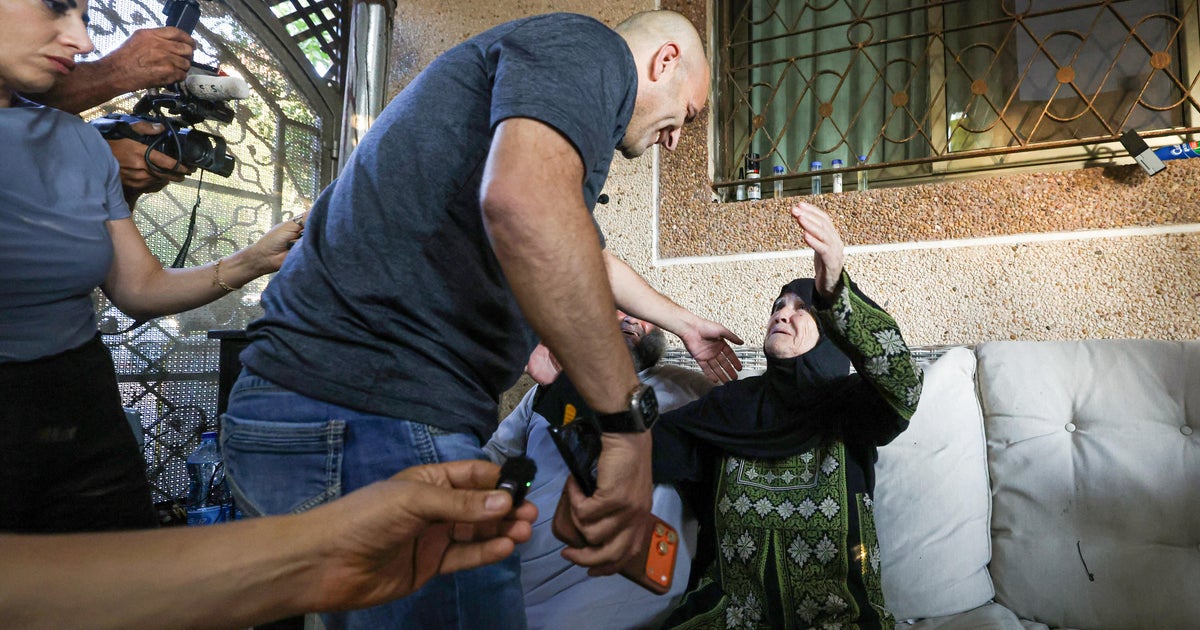
Loui Ridi, 46, traveled from Toledo to Israel and then to the village of Qusra on Monday to join relatives who had remained inside the home to keep settlers from taking it. “I’ve been watching this live for many days and now this is the second week. I can’t sleep,” he told reporters at Israel’s main international airport. “I can’t let the settlers steal my house while I was watching.”
The standoff in Qusra has left groups of settlers surrounding several Palestinian homes and preventing residents from leaving, NPR reported. The United States has condemned the siege, and the Israeli military has deployed troops it says are there to maintain order. U.S. Ambassador to Israel Mike Huckabee referred to the settlers behind the unrest as “terrorists” last week, CBS News reported.
Ridi said he started building the house in 2023 on land owned by his family. He wanted his daughters to have a home in the village where he grew up and to remain connected to their heritage. His brother, Qusai Abu Rida, and a teenage son stayed inside the home to protect it.
According to the United Nations, they are among 15 Palestinians, including two children, trapped by settlers inside homes in Qusra without running water or electricity, CBS News reported. Ridi said that while he traveled toward the village, he believed little had changed since the siege began early last week. “I should be able to go to my house freely, anytime I want,” he said. “It is a frustration and a nightmare for the entire family.”
As Ridi arrived in Israel, video footage taken by his brother showed settlers still near Qusra, driving ATVs and speaking with Israeli soldiers, according to NPR. Israel has declared the neighborhood where Ridi’s home is located a closed military zone. NPR reported that the footage on Monday showed soldiers interacting amicably with settlers.
Reuters followed Ridi’s journey back to Qusra, CBS News reported. As he moved up a hill toward his home, settlers and Israeli troops could be seen nearby. Ridi waited before he and several journalists received an escort from an Israeli military vehicle to the house. After entering around sunset, he climbed to the roof and raised an American flag. “The settlers shouldn’t be here,” he said.
The siege comes amid rising violence in the West Bank. NPR reported that Israeli soldiers and settlers have killed 87 Palestinians so far this year, citing Palestinian health officials. Palestinians have killed three Israelis, including two during clashes in the West Bank village of Tell last month. CBS News reported that between January 2017 and September 2025, more than 1,500 Palestinians were killed in the occupied West Bank by settlers and Israeli security forces, according to the United Nations.
All Israeli settlements in the West Bank are considered illegal under international law, though Israel disputes that position, saying most are legal under its domestic law and that the territory is disputed. More than 500,000 Israelis live in settlements across the West Bank, excluding East Jerusalem, alongside about 3 million Palestinians. Israel has occupied the West Bank since 1967.
Activists and the United Nations say settler attacks have increased since the Oct. 7, 2023, Hamas-led attack that sparked the war in Gaza. Critics say Prime Minister Benjamin Netanyahu’s right-wing government, which includes ultranationalist pro-settler ministers, has emboldened settlers. Asked what he planned to do next, Ridi told Reuters he wanted “to sit with my brother, catch up and see how they’re doing.”









Be First to Comment