Key takeaways:
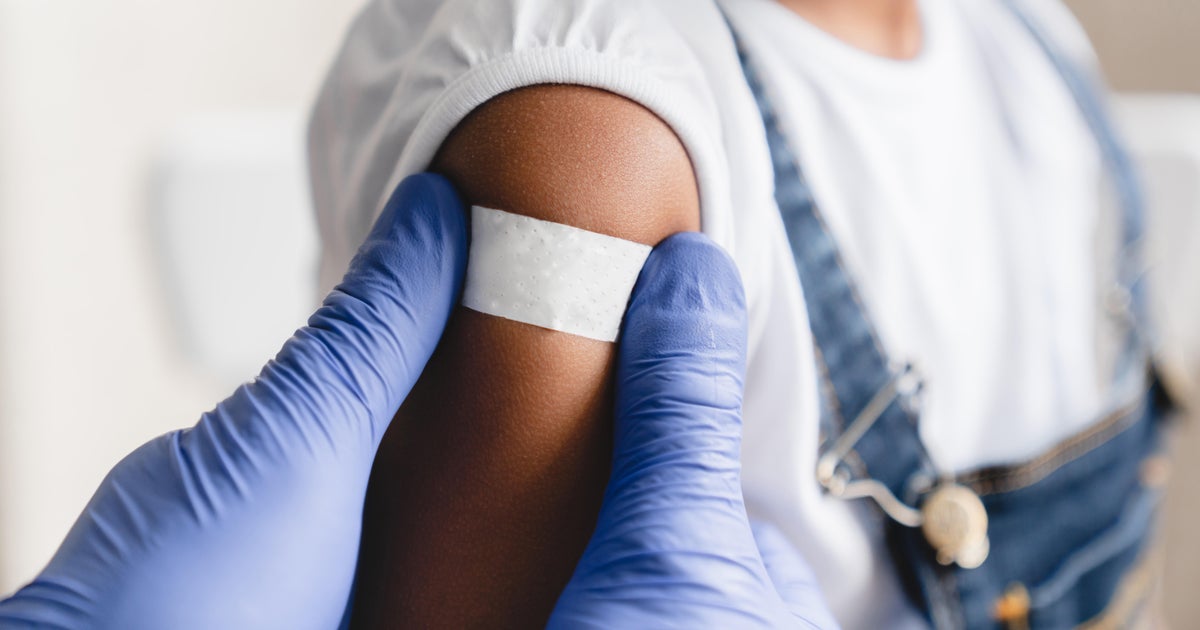
- About 155,000 U.S. kindergartners, or 4.2%, had at least one vaccine exemption in the 2025-26 school year, up from 3.6% the year before.
- MMR coverage among kindergartners fell to 92.4%, below the 95% level experts say is needed to make measles outbreaks unlikely.
- The United States had recorded 2,566 measles cases in 2026 as of Monday, and 93% of those infected were unvaccinated.
The share of U.S. kindergartners exempted from school vaccine requirements rose to a record high last school year, while coverage for key childhood shots slipped again, federal data released Monday show.
During the 2025-26 school year, 4.2% of kindergartners — about 155,000 children — had at least one vaccine exemption, up from 3.6% the previous year, according to the Centers for Disease Control and Prevention. It was the fourth straight year the national exemption rate reached a new record. Exemptions increased in 41 states and Washington, D.C.
Most exemptions were nonmedical, meaning parents or caregivers opted out for personal or religious reasons rather than because of a health condition. Medical exemptions remained stable at about 0.2%, a level that has held for roughly a decade.
Routine vaccination coverage also declined. The CDC reported that 92.4% of kindergartners had received the required measles, mumps and rubella vaccine, down slightly from the year before and below the 95% level experts say is needed to make outbreaks unlikely. Coverage for the diphtheria, tetanus and pertussis shot fell to 92%, according to NBC News. Rates also dropped for polio and the first dose of the chickenpox vaccine, CBS News reported. Hepatitis B coverage held steady.
The data were released as the United States records its worst year for measles since 1991. NBC News reported that, as of Monday, the country had logged 2,566 measles cases in 2026, with ongoing outbreaks in several states, including Ohio, Pennsylvania and Utah. Nearly all people diagnosed with measles this year, 93%, were unvaccinated.
The number of kindergartners without a record of both MMR doses before school was about 280,000 last year, the CDC said. Two doses of the MMR vaccine provide 97% protection against measles, usually for life.
Public health officials track kindergarten vaccination rates closely because schools can spread infections quickly and seed outbreaks in the broader community. All states and territories require children in child care centers and schools to receive certain vaccines, including those against measles, mumps, polio, tetanus, whooping cough and chickenpox. All allow medical exemptions, and most permit religious or other nonmedical exemptions.
The exemption rates varied widely by state. Idaho reported that 17.5% of kindergartners had an exemption to one or more vaccines, while Connecticut reported fewer than 0.5%, according to CDC data cited by CBS News. In Ohio, the exemption rate rose to 5.7% from 4.7% the year before, NBC News reported.
Some health experts pointed to national messaging and policy changes as a factor. “The root cause of this is primarily because there’s so much chaos and confusion in vaccination recommendation systems in the last year or so,” said Dr. James Campbell of the American Academy of Pediatrics. Dr. David Margolius, director of the Cleveland Department of Public Health, called the rise “disappointing, but not surprising” and said it was “indicative of the lack of clear messaging at the national level about vaccines.”
President Donald Trump last week signed an executive order to reduce the number of vaccines recommended for children, NBC News reported, drawing criticism from pediatricians and public health advocates. CBS News reported that Health Secretary Robert F. Kennedy Jr., a leading voice in the antivaccine movement before Trump put him in charge of federal health agencies, and other federal officials have repeatedly tried over the past 18 months to revise and reduce childhood vaccination guidance.
In a brief statement, the CDC said it “continues to encourage parents to discuss vaccination options with their doctors.”






Be First to Comment