Key takeaways:
- The Supreme Court voted 6-3 to let Trump fire independent agency officials without giving a reason, overturning a 1935 precedent.
- In a 5-4 decision, the court blocked Trump for now from removing Federal Reserve Governor Lisa Cook over unproven mortgage fraud allegations.
- The justices upheld Mississippi’s rule counting mail-in ballots postmarked by Election Day and declined to review Trump’s $5 million judgment in the E. Jean Carroll case.
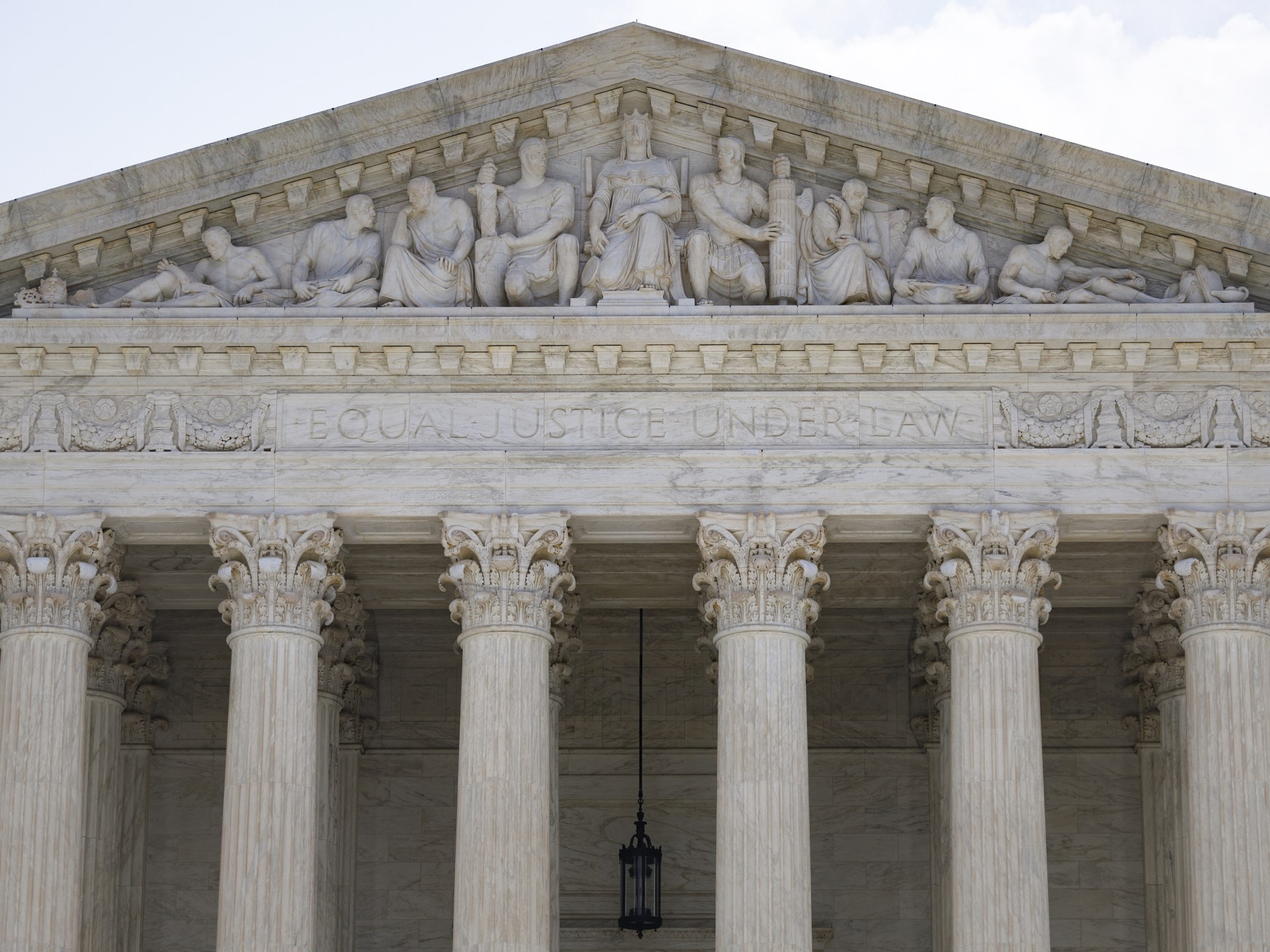
The Supreme Court handed President Donald Trump a sweeping victory on executive power Monday, then blocked him in three other high-profile fights over the Federal Reserve, mail-in voting and a civil judgment won by writer E. Jean Carroll.
In the most consequential ruling, the justices voted 6-3 to let Trump fire members of independent government agencies without giving a reason, overturning a 1935 precedent that had limited presidential removal power over certain regulators. The case centered on Trump’s dismissal of Democratic Federal Trade Commission member Rebecca Slaughter, who challenged her firing under rules Congress created to shield leaders of independent agencies from at-will removal.
“Subordinates who exercise the president’s power are subject to removal by him,” Chief Justice John Roberts wrote for the majority. “Then, and only then, can they remain accountable to the president, and the president to the people.”
The ruling divided the court along ideological lines, with the six conservative justices in the majority and the three liberal justices dissenting. It is expected to affect dozens of regulatory bodies that oversee areas including elections, communications, labor disputes, finance and environmental rules.
Trump celebrated the decision on Truth Social, writing that “90 years of precedent has been completely and unequivocally overruled” and that the ruling “greatly increasing presidential power at a time when it is most needed.” In another post quoted by Al Jazeera, he called it “one of the most important ever given with respect to Presidential Powers.”
Justice Sonia Sotomayor sharply dissented, saying the majority had disrupted the separation of powers. “Today, the majority replaces 90 years of proven, workable practice with a half-baked theory of executive power that is simultaneously all encompassing yet also subject to necessary but undefined exceptions,” she wrote. “The one thing that does appear to be clear going forward is that chaos will follow.”
But the court drew a line at the Federal Reserve. In a 5-4 ruling, Roberts and Justice Brett Kavanaugh joined the three liberal justices to block Trump, for now, from removing Federal Reserve Governor Lisa Cook. Trump cited unproven mortgage fraud allegations, which Cook denies. Cook has said the allegations are a pretext tied to policy differences as Trump presses the Fed to cut interest rates.
Roberts wrote that Cook was entitled to procedural protections and warned of the “calamities that could arise” if presidents could impose their will on the central bank. “Not only the fact of independence but also the appearance of independence is key to the Federal Reserve’s design,” the majority opinion said.
Cook welcomed the ruling, saying it “affirms” the Fed’s independence. Trump responded that his administration would take “appropriate action immediately” to ensure someone he accused of wrongdoing would not make “vital decisions concerning the Welfare of the United States of America.”
The court also rejected a Republican National Committee challenge to Mississippi’s mail-in ballot law. In another 5-4 ruling, Roberts and Justice Amy Coney Barrett joined the three liberal justices to uphold the law, which allows ballots postmarked by Election Day to be counted if they arrive within five business days.
“Federal law dictates when ballots must be cast, state law governs when they must be received,” Barrett wrote. “Nothing in the federal election-day statutes requires ballots to be received by election day.”
Trump called the ruling a “tremendous loss” for “voter’s rights” and urged Congress to pass the SAVE America Act, a broader voting restrictions package. Senate Democratic leader Chuck Schumer praised the decision, saying, “if you cast your ballot on time, your vote will count.”
In a final setback, the justices declined to review a $5 million civil judgment against Trump in Carroll’s case. A 2023 Manhattan federal jury found Trump liable for sexually abusing Carroll in a New York department store in 1996 and defaming her after she came forward.
Trump said he would “continue the fight” against what he called a “Weaponization and Lawfare Case.” Carroll’s attorney, Roberta Kaplan, said the court’s action “affirms once and for all the jury’s unanimous verdict.”





Be First to Comment