Key takeaways:
- At least 37 vessels transited or were transiting the Strait of Hormuz after Thursday’s incident, NBC News reported, with 20 using a route that avoided Iranian waters.
- Evergreen Marine said the Ever Lovely sustained damage to bridge windows but reported no injuries, no cargo damage and no loss of seaworthiness.
- Iran warned that safe passage cannot be guaranteed for ships using routes not coordinated with Tehran, while U.S. officials said Iran cannot subvert free traffic through the strait.
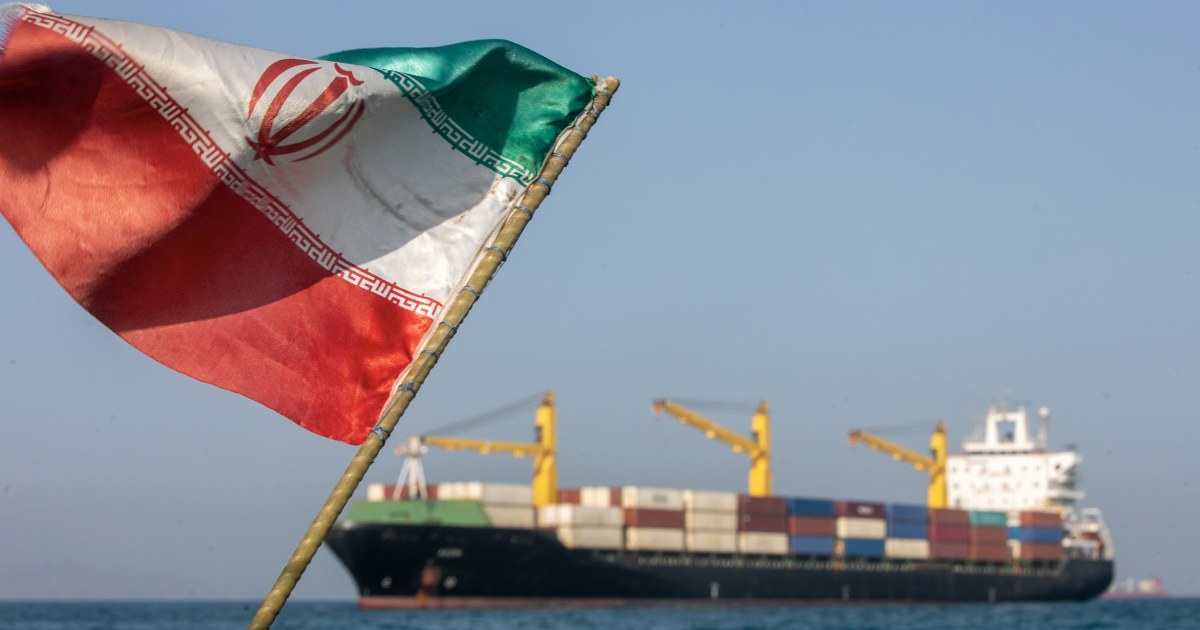
Marine traffic continued to move through the Strait of Hormuz on Friday, a day after a Singapore-flagged container ship was struck in the vital waterway, as Iran warned vessels against using routes it has not approved and disputes persisted over the strait’s future administration.
At least 37 vessels had transited the strait or were in the process of doing so since Thursday’s incident involving the Ever Lovely, a container ship operated by Taiwan-based Evergreen Marine, according to an NBC News review of MarineTraffic data. Twenty of those ships used a route far south of Iran, close to the United Arab Emirates and Oman’s Musandam Peninsula, avoiding Iranian waters.
Iranian state-affiliated media reported Friday that three foreign tankers had been turned back after attempting what Tehran called “unauthorized” passage through the strait. The tankers had tried to use the “southern corridor,” IRIB News reported. Oman said Wednesday that, with the U.N.’s International Maritime Organization, it had established two temporary shipping lanes through the strait, an arrangement Iran rejected.
An IRIB correspondent, quoting Iran’s Revolutionary Guard Corps, said the IRGC had “warned all vessels in the Persian Gulf and the Gulf of Oman that the new route announced by some authorities for passage through the Strait of Hormuz — without coordination with Iran — is illegal, unacceptable, and extremely dangerous.” The correspondent added: “The only legal route for crossing the Strait of Hormuz is the route previously designated by Iran.”
Iran’s deputy foreign minister, Kazem Gharibabadi, said Friday that safe passage “cannot be guaranteed through vague arrangements, parallel routes, or decision-making conducted outside of Iran’s considerations as a coastal state.” He said any valid framework must be coordinated with Iran.
The dispute follows a memorandum of understanding signed last week by the United States and Iran to help end the war. NBC News reported that the agreement said Iran would “make arrangements using its best efforts for the safe passage of commercial vessels with no charge for 60 days only from the Persian Gulf to the Sea of Oman and vice versa.” CBS News reported that another provision calls for Iran and Oman, the two countries with coastlines along the strait, to discuss the “future administration” of the passage.
The International Maritime Organization had announced a plan this week to evacuate 11,000 sailors but suspended the operation after the Ever Lovely was hit. IMO Secretary-General Arsenio Dominguez said the vessel “did not transit under IMO’s evacuation framework.”
Evergreen Marine said Friday the Ever Lovely was struck on its starboard side by an “unknown object” while sailing near Oman. The company said bridge windows were damaged, but no injuries were reported, the cargo was safe and “the main engine and all navigation equipment continued to operate.” The ship’s seaworthiness was not affected, Evergreen said, and it continued out of the strait.
Singapore’s Maritime and Port Authority said it was “deeply concerned about the incident, which was unprovoked, unjustifiable, and a breach of international law.” Iran has not publicly acknowledged the strike. CBS News reported that U.S. Central Command said the vessel was hit by Iran.
The White House was “aware of these reports and looking into them,” a U.S. official told NBC News. “President Trump has been clear that Iran cannot subvert the free flow of traffic in the Strait,” the official said.
Oil prices fell about 4% Friday as concern over the attack eased. Brent crude traded near $72 a barrel, close to levels seen before the war began. “The attack has rattled the fragile confidence of shipowners and crews, though ships continued to transit through the narrow corridor on Friday,” DNB Carnegie analysts said.
Tensions also continued around Lebanon. Hezbollah leader Naim Qassem said Friday the Iranian-backed group would not disarm, calling disarmament “Israel’s agenda,” and said Israel must “withdraw completely” and “unconditionally” from Lebanon. “The resistance will continue — with its presence, its organization, its decisions, and its capabilities,” he said.
Israeli Defense Minister Israel Katz warned that any new Iranian attack on Israel would be Tehran’s “biggest mistake yet.” In a post on X, he wrote: “Nothing will stop us. Our forces are prepared to finish the job.”





Be First to Comment