Key takeaways:
- The memorandum says Iran shall not procure or develop nuclear weapons but does not set detailed enrichment limits like the 2015 JCPOA.
- The framework provides immediate waivers for Iranian oil and petroleum exports and calls for a reconstruction plan worth at least $300 billion.
- The United States is to end its naval blockade of Iran within 30 days, while Iran is to ensure safe commercial passage through the Strait of Hormuz for 60 days.
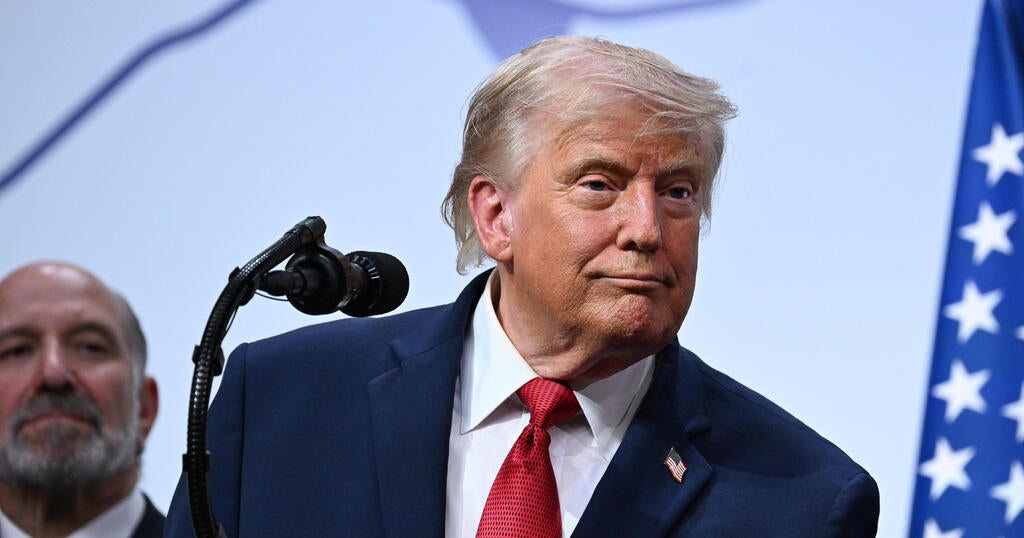
President Donald Trump has signed a 14-point memorandum of understanding with Iran that extends a ceasefire, promises sanctions relief and opens a 60-day negotiation period over Tehran’s nuclear program, but the framework leaves many of the most contentious details unresolved.
The document, signed electronically near Paris after weeks of Trump saying an agreement was close, is intended to end the US-Iran conflict that began on Feb. 28, when the United States and Israel launched strikes against Tehran and other sites across Iran. Trump hailed the memorandum on the sidelines of the G7 meeting in France, calling it better than the 2015 nuclear accord negotiated under former President Barack Obama, the Joint Comprehensive Plan of Action, or JCPOA, which Trump abandoned in 2018.
The new framework says Iran “shall not procure or develop nuclear weapons,” language similar to the JCPOA, which stated that Iran would never “seek, develop or acquire” nuclear weapons. But unlike the 2015 agreement, the memorandum does not set detailed limits on uranium enrichment, centrifuges or inspections. Instead, it says the two sides will discuss enrichment and “resolve the disposition of stockpiled enriched material pursuant to a mechanism that will be mutually agreed upon.”
Under the JCPOA, Iran was allowed to enrich uranium up to 3.67% for 15 years and keep a 300kg stockpile of nuclear material, with International Atomic Energy Agency access to verify compliance. The IAEA said Iran complied until Trump withdrew the United States from the agreement. According to the BBC, US officials said Iran had about 440kg of uranium enriched to 60% when the war began, close to the 90% level needed for weapons-grade material.
Senior US officials told reporters the new deal sets a minimum standard under which enriched stockpiles would be downblended under IAEA supervision, CBS News reported. The memorandum itself does not specify whether enriched uranium will be destroyed, removed from Iran or reduced to a lower grade.
Analysts cautioned against directly comparing the two documents. Aniseh Bassiri Tabrizi of Chatham House told Al Jazeera it would not be “fair” to compare them at this stage because the new memorandum focuses on extending the ceasefire rather than spelling out nuclear restrictions. Shahram Akbarzadeh of Deakin University said it “does not address any issue of substance” and leaves questions about enrichment for later negotiations.
The memorandum also does not mention Iran’s ballistic missiles, an omission that mirrors one of Trump’s central criticisms of the JCPOA. Trump said Wednesday it would be “unfair” for Iran not to have missiles if neighboring countries possess them, adding, “A ballistic missile is not the same thing as what we’re talking about when we talk nuclear.”
On sanctions, the framework says the United States will “terminate all types of sanctions” on an agreed schedule as part of a final deal. It also allows immediate waivers for Iranian crude oil, petroleum products, banking, insurance and transportation services. The document calls for the United States and regional partners to develop a reconstruction and economic development plan for Iran funded with “at least $300 billion.” Trump denied that Washington is obligated to pay. “We are not investing any money in Iran,” he said.
The deal also addresses the Strait of Hormuz, which was not part of the JCPOA. The memorandum says the United States will fully end its naval blockade of Iran within 30 days, while Iran will use its best efforts to ensure safe commercial passage through the strait without charge for 60 days. After that, Iran is to hold talks with Oman on the waterway’s future administration and maritime services.
Neither the JCPOA nor the new memorandum explicitly addresses Iranian-backed groups such as Hezbollah, Hamas and the Houthis. The framework calls for the “immediate and permanent termination of military operations on all fronts, including in Lebanon,” but does not name Israel or Hezbollah. Trump said his administration would pursue a separate effort with Gulf nations on non-nuclear issues, including missiles and support for militant proxies.


Be First to Comment