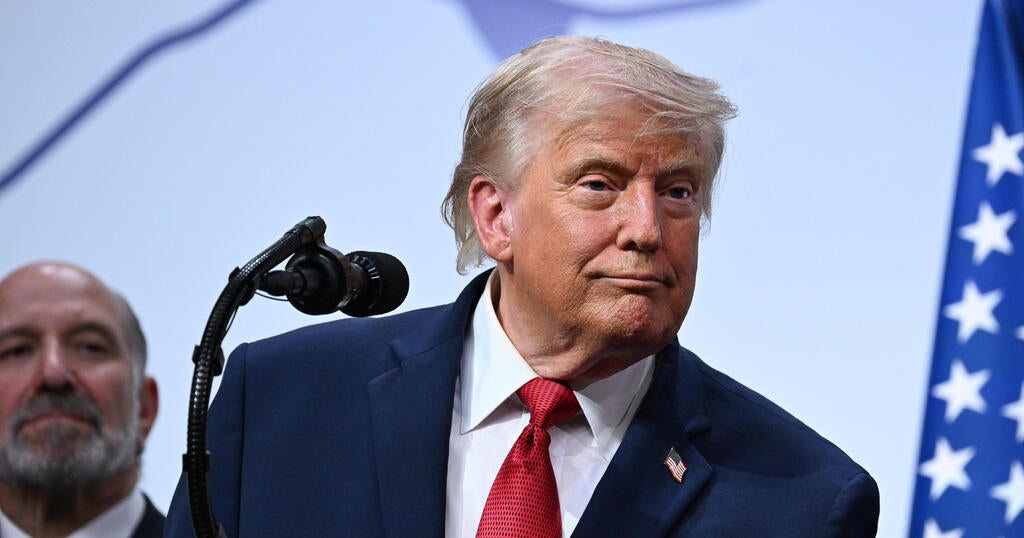
Trump’s 14-point memorandum with Iran extends a ceasefire and promises sanctions relief, but leaves nuclear limits, uranium stockpiles and enforcement details for 60 days of talks. The framework also includes immediate oil waivers, a proposed $300 billion reconstruction plan and provisions on the Strait of Hormuz.
Posts tagged as “Houthi”
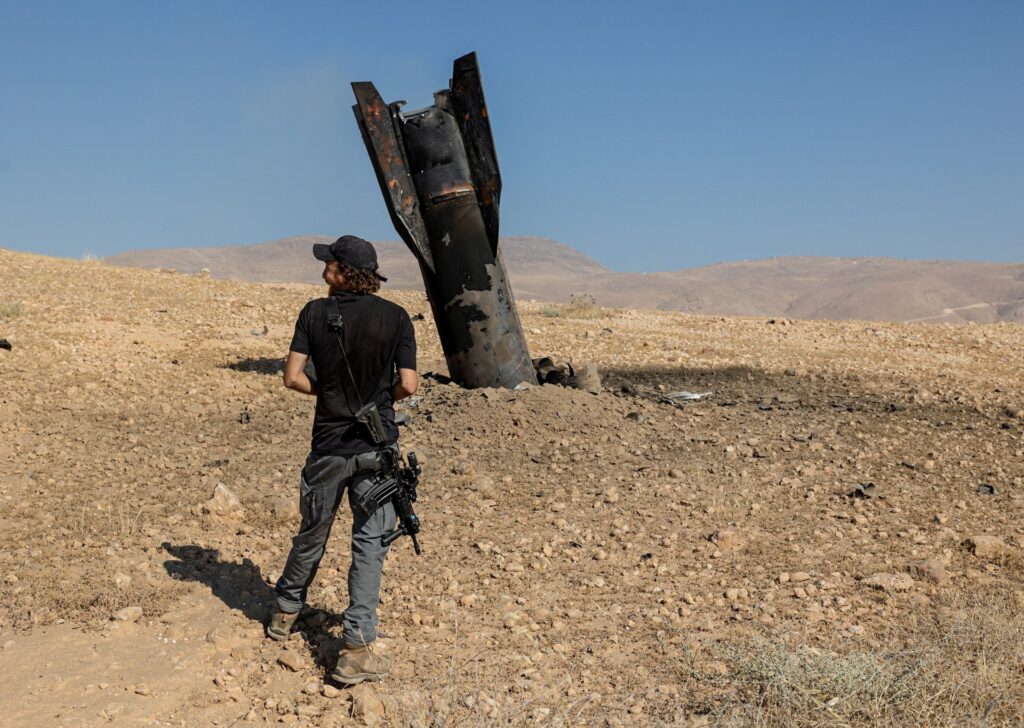
Israel and Iran exchanged strikes early Monday in the most serious crossfire since an April ceasefire, while Yemen’s Houthis fired toward Israel and renewed threats against Red Sea shipping. U.S. President Donald Trump reportedly urged Benjamin Netanyahu not to retaliate immediately.
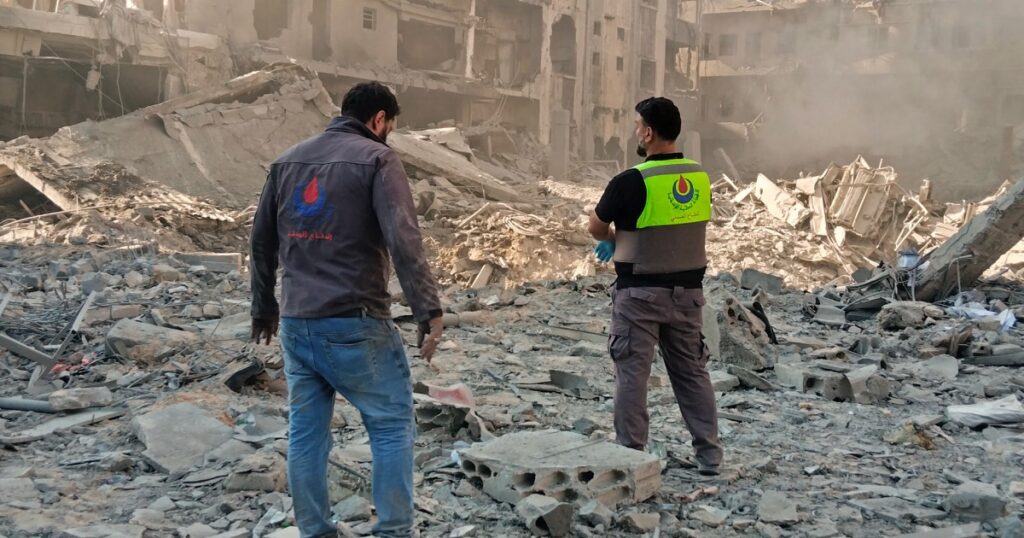
Iran suspends indirect talks with the U.S. amid Israel's intensified Lebanon offensive, as the war that began on March 2 causes thousands of casualties and escalates maritime threats.
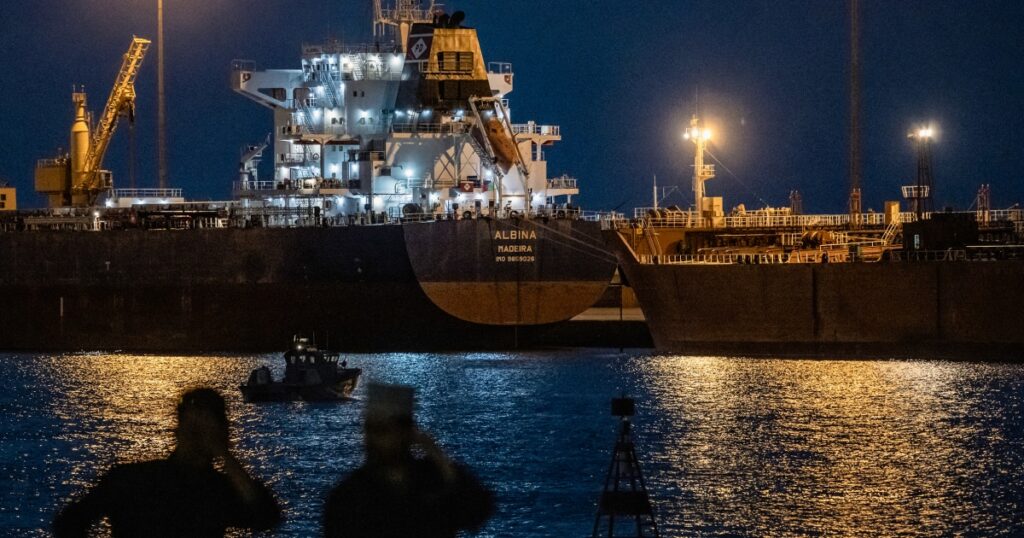
Global oil prices surged to new highs as escalating conflict between the United States, Israel, and Iran intensified missile and drone attacks across the Middle East, raising concerns about prolonged regional instability. Iran and its allied forces targeted Israeli infrastructure and U.S. military assets, while diplomatic efforts for resolution remain stalled amid threats of severe retaliation. The conflict has disrupted global energy markets, particularly impacting Asian oil supplies and driving U.S. gasoline prices to their highest levels since mid-2022, with experts warning of further price spikes and inflationary risks.

In March 2026, the Trump administration strengthened its ties with the combat sports world through an FBI partnership with the UFC and the appointment of former MMA fighter Senator Markwayne Mullin as Secretary of Homeland Security, highlighting the growing influence of combat sports within conservative politics. This connection is rooted in Trump’s longstanding affinity for combat sports and is further amplified by prominent fighters and media figures like Joe Rogan who promote right-wing ideologies and alternative health views. Concurrently, escalating Middle East tensions involving Russia, Iran, and U.S. forces have intensified debates in the Senate over military responses, amid broader regional conflicts with significant global implications.
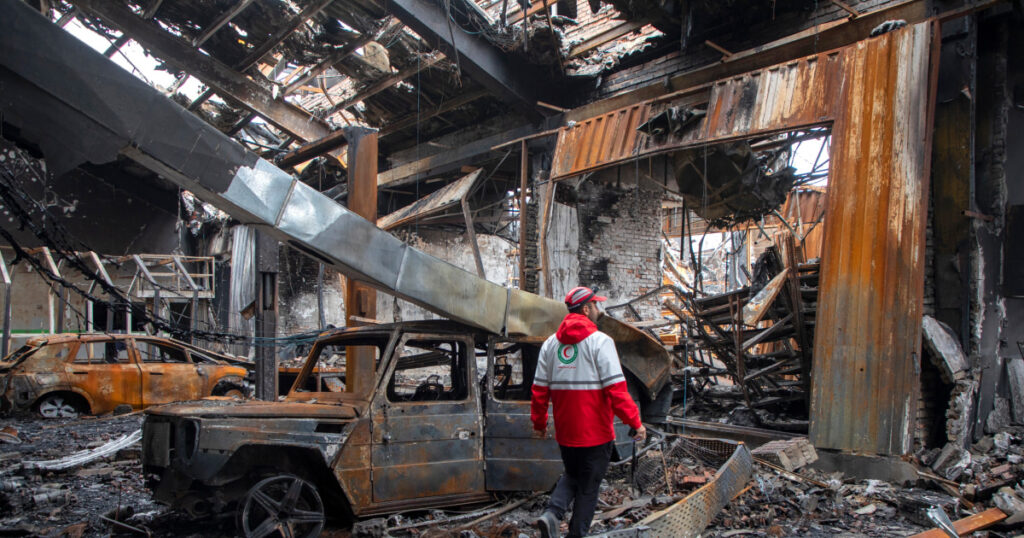
More than 3,500 U.S. troops, including approximately 2,500 Marines aboard the USS Tripoli, have been deployed to the Middle East amid escalating tensions with Iran following recent missile and drone attacks on Saudi Arabia that injured U.S. personnel. The conflict has disrupted global oil exports and shipping routes, with Iranian-backed Houthi rebels also entering the fray, raising concerns over maritime security. Despite rising hostilities and military preparations, diplomatic efforts continue, with the U.S. proposing a peace plan that Iran has rejected, while both sides maintain readiness for further confrontation.

The conflict between the United States and Iran has drastically reduced shipping traffic through the Strait of Hormuz by up to 95%, causing a sharp rise in oil prices and marine insurance premiums due to heightened risks of missile and drone attacks. Efforts to protect commercial vessels, including potential U.S. military escorts and expanded insurance programs, face delays and are unlikely to restore normal shipping until a ceasefire or de-escalation occurs. Meanwhile, the involvement of Iran-backed Houthi militants in missile attacks against Israel threatens further disruptions in the Red Sea and Bab el-Mandeb Strait, escalating the conflict into a broader regional crisis with significant impacts on global energy supply and maritime commerce.
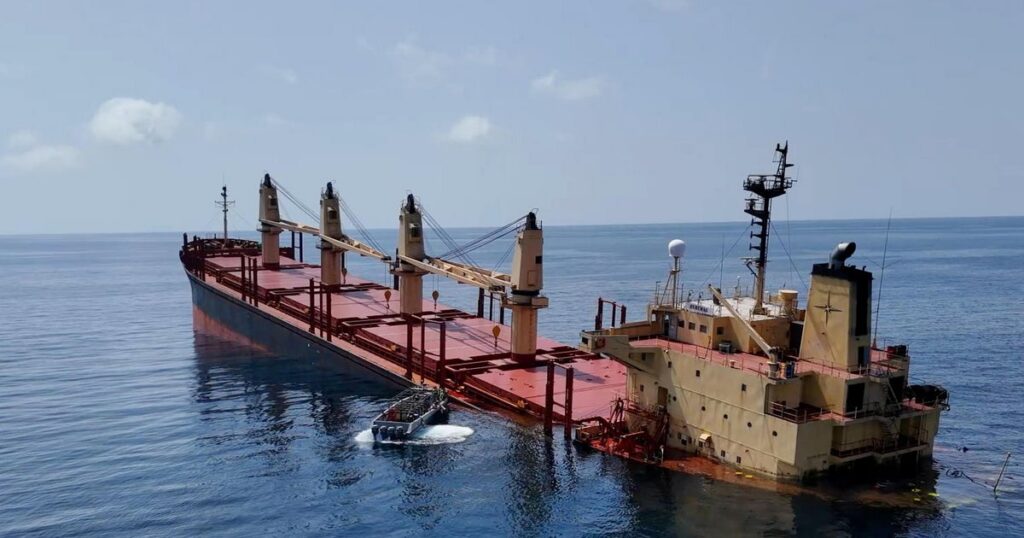
Iran’s Revolutionary Guard Corps has declared the Strait of Hormuz closed to unauthorized ships, significantly disrupting a key maritime route that handles about 20% of the world’s crude oil and causing Brent crude prices to surge above $110 per barrel. Iran has enforced this closure by turning back vessels, imposing hefty fees near Larak Island, and is considering formal legislation for these charges, while also hinting at threats to the Bab el-Mandeb Strait, another critical shipping lane. The closure and ongoing conflict have stranded around 20,000 seafarers in the region, led to casualties, and prompted calls from the UAE for a multinational force to secure the strait and stabilize global energy markets.