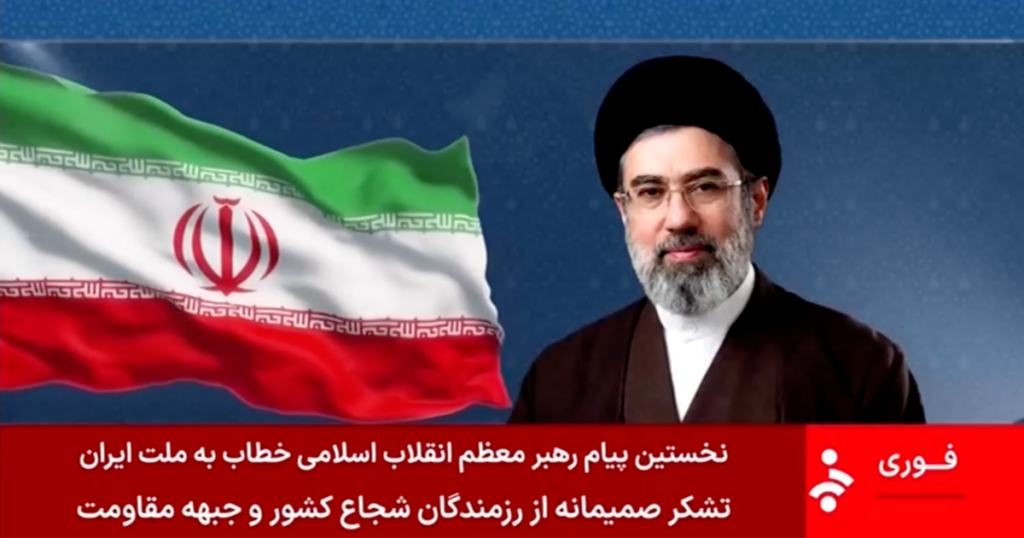
Iran’s newly appointed Supreme Leader, Ayatollah Mojtaba Khamenei, issued his first public statement reaffirming the blockade of the Strait of Hormuz and threatening attacks on neighboring countries hosting U.S. military bases. His statement was delivered without a direct appearance, fueling speculation about his health after being injured in recent U.S.-Israeli strikes, and signaling a hardline stance with continued support for proxy groups across the Middle East. Khamenei vowed revenge for Iranian casualties in the strikes and emphasized Iran’s commitment to disrupting global oil transit while expressing a desire for constructive regional relations.
Posts tagged as “Houthi”
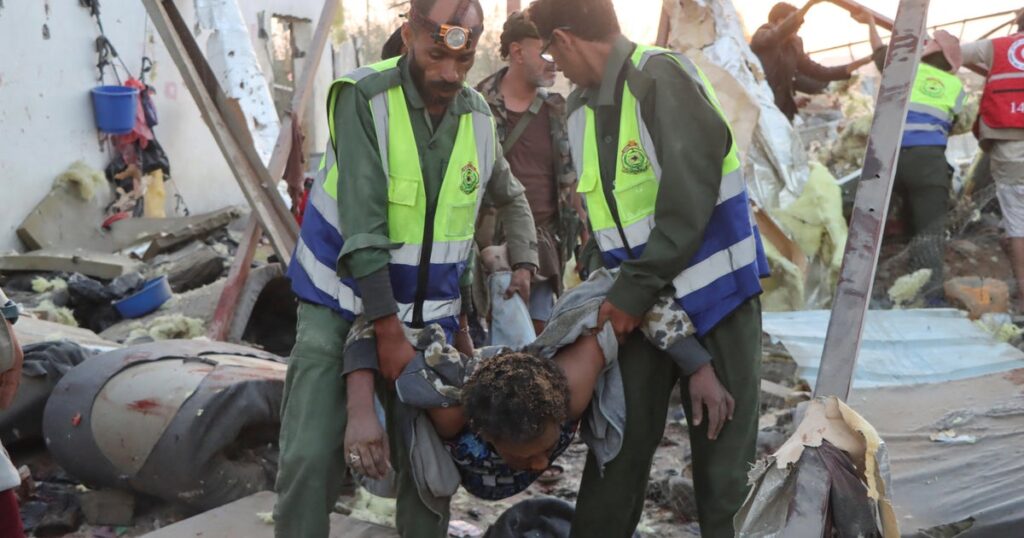
The conflict in Yemen has intensified with the U.S. military's increased airstrike campaign against Houthi rebels, targeting over 800 locations since mid-March. A recent alleged U.S. airstrike on a prison in the Saada governorate reportedly killed 68 African migrants, prompting scrutiny and criticism from activists. This escalation occurs amid U.S.-Iran nuclear negotiations, raising concerns about the broader implications for regional stability and humanitarian issues.
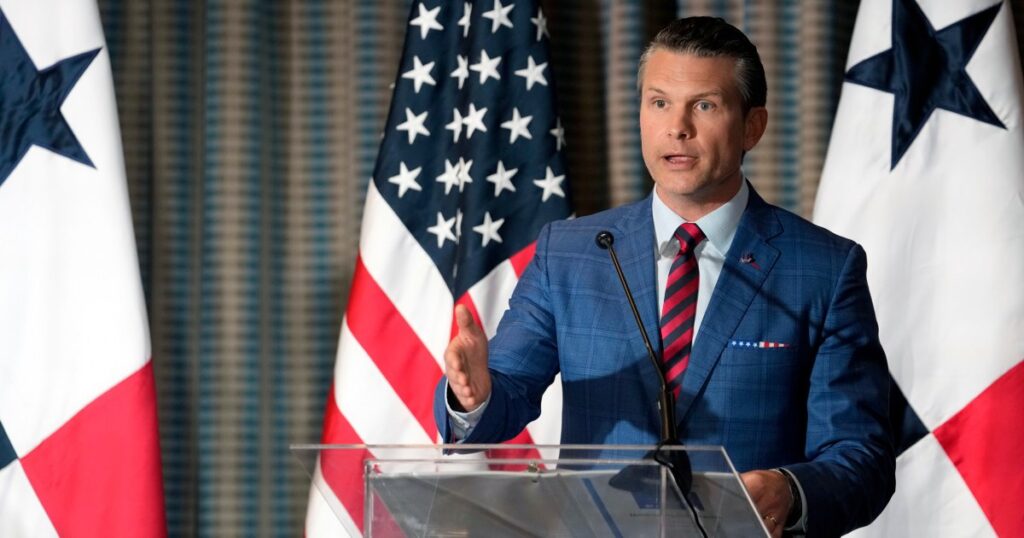
Defense Secretary Pete Hegseth reportedly shared sensitive U.S. military information regarding operations in Yemen through a private Signal group chat, which included his wife, brother, and personal attorney. The incident has raised concerns about the handling of sensitive information by senior officials, especially since Hegseth used his personal phone despite warnings about unsecured communication channels. The inclusion of non-official individuals in the chat has further intensified scrutiny and sparked discussions on the protocols for safeguarding national security information.

U.S. airstrikes on the Ras Isa oil port in Yemen, controlled by Houthi rebels, resulted in 58 deaths and 126 injuries, marking one of the deadliest incidents since the U.S. began its campaign against the group. The strikes aimed to disrupt a critical fuel supply for the Houthis, who rely on the port for sustaining their operations. The lack of detailed information from the U.S. Central Command about the campaign has made it difficult to fully assess the impact of these military actions, raising international concerns about the humanitarian implications and the complexities of the conflict.
VP JD Vance’s Opposition to Trump’s Yemen Strike Sparks GOP Division and Fuels Foreign Policy Debate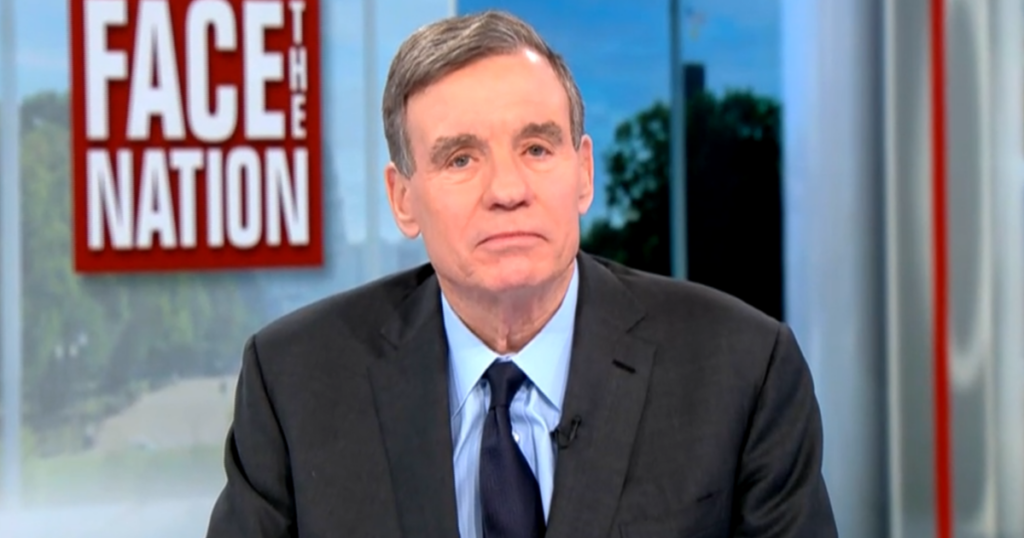
VP JD Vance’s Opposition to Trump’s Yemen Strike Sparks GOP Division and Fuels Foreign Policy Debate
Vice President JD Vance's opposition to President Donald Trump's military strike against Houthi forces in Yemen has caused significant division within the administration and the Republican Party, as revealed through a leaked Signal chat. This disagreement highlights the broader debate over the U.S.'s aggressive military strategy and its foreign policy priorities, with some lawmakers accusing Vance of trying to obstruct the President's directive. Senator Mark Warner discussed the potential implications of this strategy on "Face the Nation," noting the strategic importance of reopening Red Sea trade routes, which adds another layer to the ongoing discourse on America's international role and national interests.
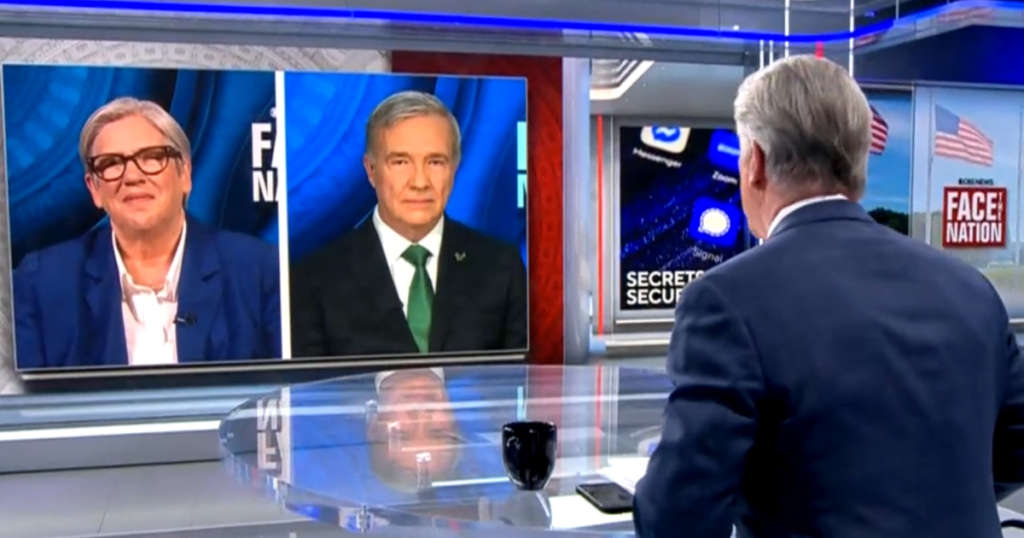
A CBS News poll reveals that 76% of Americans find the use of the messaging app Signal by administration officials to discuss military plans inappropriate, with this view shared by a majority of independents and Republicans. The controversy is intensified by Vice President JD Vance's concerns over President Trump's decision to strike the Houthis in Yemen, which were expressed in a public Signal chat, causing discontent among senior Republican lawmakers. This situation highlights a broader debate about the appropriateness and security of using non-traditional communication methods for sensitive military discussions, reflecting public concern over transparency and the administration's foreign policy strategy.
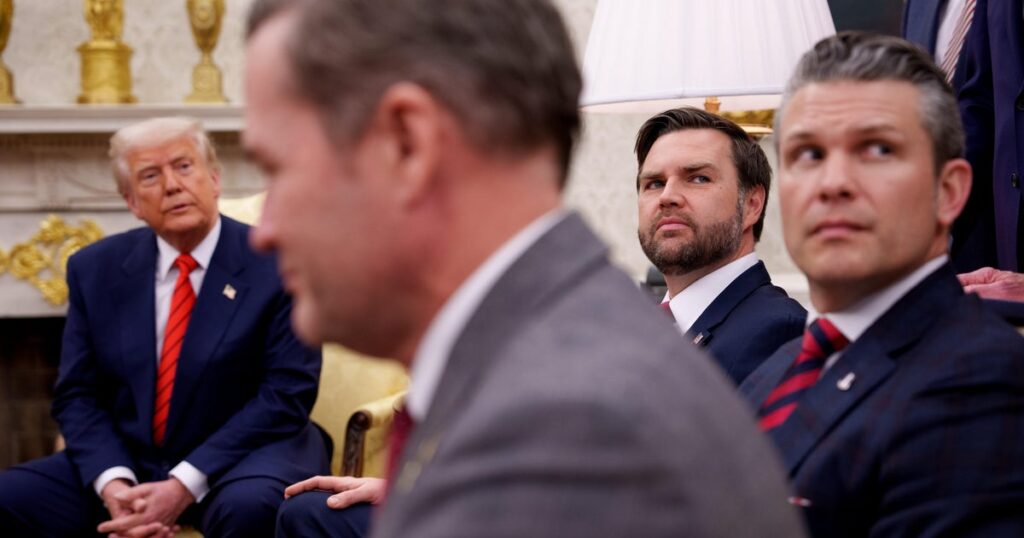
President Donald Trump has expressed frustration with national security adviser Michael Waltz over the use of the Signal app for discussing sensitive military operations, which inadvertently included journalist Jeffrey Goldberg in a group chat. The incident has raised security concerns, but Trump's irritation is reportedly more about Waltz having Goldberg's contact information than the app's use. Additionally, Trump's discussions with Waltz about withdrawing Rep. Elise Stefanik’s nomination as U.S. ambassador to the UN have added to his frustration, though both Waltz and Defense Secretary Pete Hegseth remain in their positions.
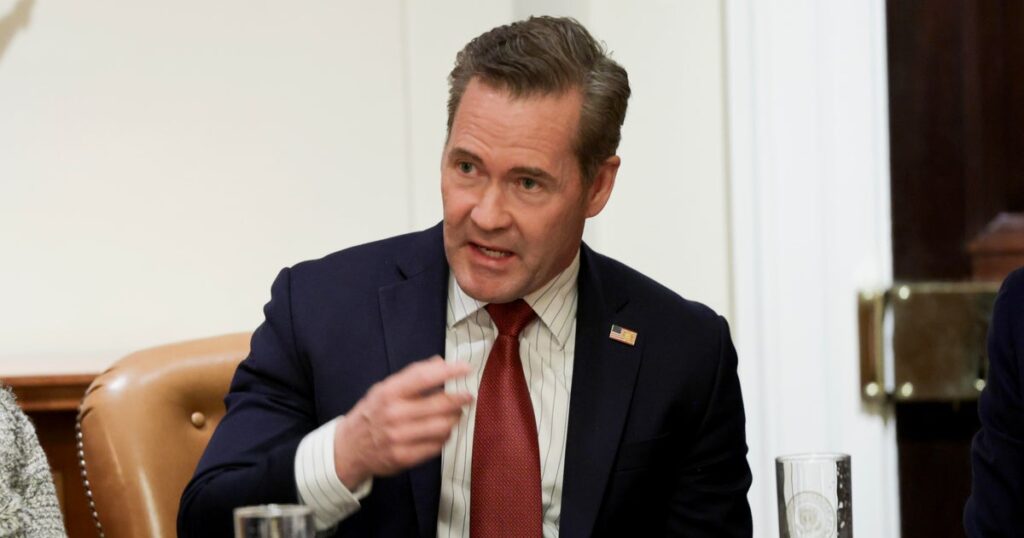
The Trump administration is dealing with the repercussions of a Signal chat incident that mistakenly included Jeffrey Goldberg, leading to controversy over discussions about military actions against Houthi rebels in Yemen. National security adviser Michael Waltz is at the center of the controversy, with some calling for his dismissal, while others defend the chat participants. The incident has raised concerns about digital communication security, prompting some officials to alter their Venmo accounts and drawing criticism from Democrats and former national security officials about the potential risks of exposing sensitive information.