Key takeaways:
- The 14-point U.S.-Iran memorandum calls for an immediate and permanent end to military operations on all fronts, including Lebanon.
- The agreement gives the United States and Iran up to 60 days to negotiate a final deal, with sanctions relief tied to Iran’s compliance on nuclear and other commitments.
- The Strait of Hormuz is supposed to reopen after the memorandum is signed, but commercial traffic remained low amid confusion over the U.S. naval blockade.
President Donald Trump said the United States could resume bombing Iran if a new memorandum of understanding does not lead to a broader settlement, even as U.S. officials outlined a 14-point agreement intended to extend a ceasefire, reopen the Strait of Hormuz and end nearly four months of conflict.
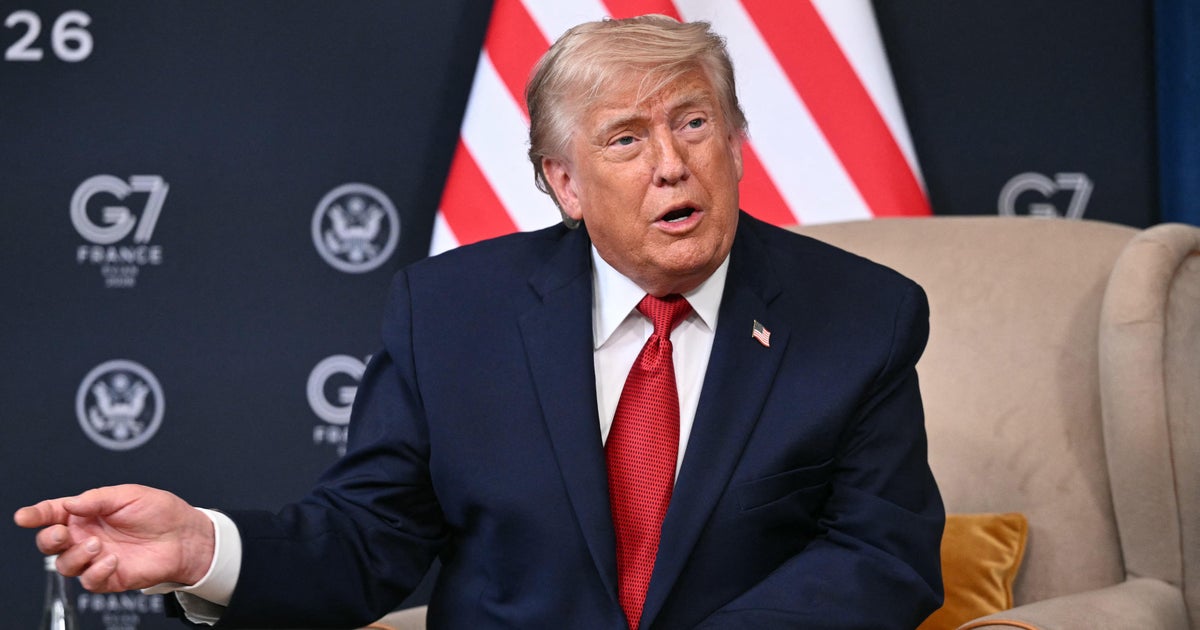
Speaking Wednesday at the G7 summit in Evian-les-Bains, France, Trump stressed that the U.S.-Iran agreement is not a final deal. If a wider agreement is not reached during a 60-day negotiating period, he said, “We go back to bombing.” He added: “If I don’t like it, if they don’t behave, we’ll go right back to dropping bombs right smack in the middle of their head.”
U.S. officials read the text of the memorandum to reporters on a call Wednesday. The agreement calls for an “immediate and permanent” end to military operations on “all fronts,” including Lebanon, and says the United States and Iran will respect each other’s sovereignty and territorial integrity and refrain from interfering in each other’s internal affairs.
The deal is expected to be signed later this week, possibly as soon as Thursday, Trump said. Iranian Foreign Ministry spokesman Esmaeil Baqaei said plans for a Geneva meeting had not changed and that one idea under review was for the presidents of the two countries to sign the memorandum.
The agreement sets a maximum 60-day timeline to negotiate a final deal, with a possible extension by mutual consent. Trump said preventing Iran from obtaining a nuclear weapon remains central to the effort. Under the memorandum, Iran agrees not to procure or buy a nuclear weapon, while both sides agree to address Tehran’s enriched uranium. The mechanism has not been finalized, but the document says the material would at minimum be downblended in place under International Atomic Energy Agency supervision.
The Trump administration has described the agreement as “performance-based,” with benefits for Iran tied to compliance. Vice President JD Vance told “CBS Mornings” the deal provides a framework under which Iran can receive sanctions relief if it stops funding terrorism and no longer pursues a nuclear weapon. “None of those things flow to Iran unless Iran fundamentally changes how it behaves with the world,” Vance said.
The memorandum says the United States will terminate economic sanctions against Iran, though the schedule would be set in a final deal. It also says the U.S. and regional partners will develop a reconstruction and economic development plan for Iran worth at least $300 billion, but U.S. officials said Washington is not required to contribute money. The agreement also calls for frozen or restricted Iranian funds to be made fully available once the memorandum is signed, with procedures to be worked out in negotiations.
The Strait of Hormuz remains a major focus. The document says Iran will use its best efforts to ensure safe passage of commercial vessels through the waterway at no charge, while the United States will begin removing its naval blockade after the memorandum is signed and complete that process within 30 days. Traffic is supposed to resume immediately, taking into account de-mining and the removal of military and technical obstacles.
Confusion persisted Wednesday. CBS News reported that five sanctioned Iranian ships crossed the U.S. naval blockade line in the Gulf of Oman over 24 hours, while commercial traffic through the strait remained in the single digits, far below a historic average of about 135 vessels per day. Oil prices fell on optimism over a possible reopening, with Brent crude trading at $78.19 a barrel early Wednesday and U.S. crude at $75.21.
Lebanon could become an early test. Iranian officials have said continued Israeli troops or attacks there would violate the understanding. Lebanon’s president, Joseph Aoun, said his country’s negotiations with Israel are independent. “The Lebanese state is sovereign in its decision-making,” he said.
G7 leaders welcomed the announcement as a “breakthrough” and praised Trump’s “strong leadership.” Pope Leo XIV called it an “encouraging result of patient work in dialogue and negotiation.”





Be First to Comment