Key takeaways:
- The House passed the Secure America Act 214-212, and the Senate approved it 52-47 after an 18-hour voting session.
- The package includes $38 billion for ICE, $26 billion for Customs and Border Protection and $5 billion more for the Department of Homeland Security through September 2029.
- Democrats opposed the bill after deadly federal agent shootings in Minneapolis and sought changes to immigration enforcement practices before funding the agencies.
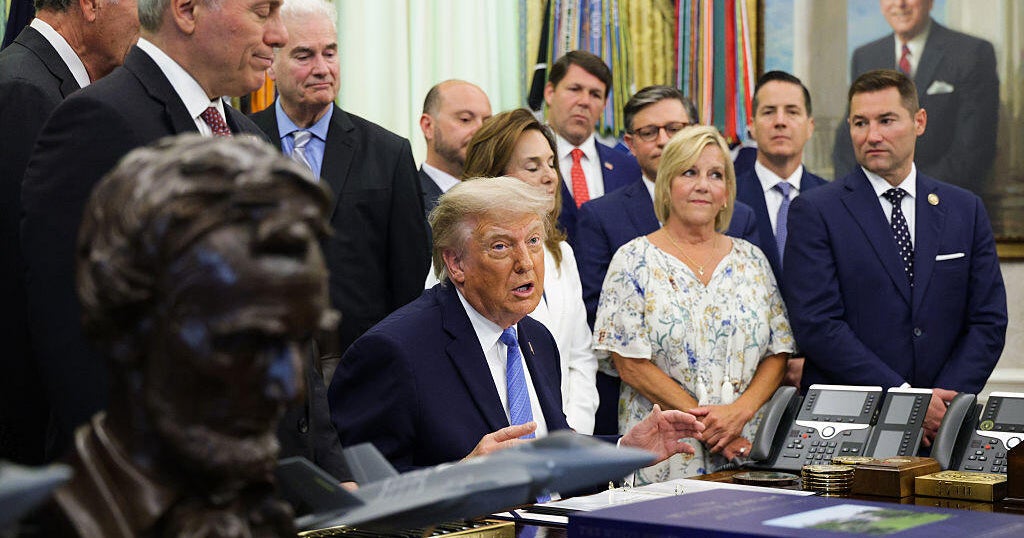
President Trump signed a nearly $70 billion immigration enforcement package into law Wednesday, ending a months-long fight over funding for federal immigration agencies and giving Immigration and Customs Enforcement and border patrol operations money through the rest of his presidency.
“This morning I’m thrilled to sign the Secure America Act to immediately and fully fund the Department of Homeland Security through the end of my term, so we won’t have that to be talking about anymore,” Trump said in the Oval Office, surrounded by key members of Congress and his Cabinet.
The House approved the measure Tuesday evening in a 214-212 vote after the Senate passed it late last week following an 18-hour marathon voting session. The Guardian reported that the House vote was largely along party lines, with Kevin Kiley, an independent who aligns with Republicans, joining Democrats in opposition.
The legislation allocates $38 billion to ICE, $26 billion to Customs and Border Protection and $5 billion more to the Department of Homeland Security through September 2029, according to The Guardian. It funds ICE and parts of CBP through the end of the Trump administration.
“We’ll give the heroes of ICE and Border Patrol — and that’s what they are, they’re heroes, what they have to go through to keep us safe — the support and resources they need to defend our borders, protect our homeland and to keep America safe,” Trump said. He credited House Speaker Mike Johnson with steering the bill through a narrowly divided House.
House Republican leaders attended the signing, along with Senate Majority Whip John Barrasso. Senate Majority Leader John Thune was not in the room.
Trump said the law also “provides crucial funding for domestic law enforcement investigations and combating child exploitation, continuing our work to restore law and order across our nation.” A White House statement said the Secure America Act is intended to provide “the resources needed to keep our border secure, combat human trafficking, stop the flow of deadly drugs, dismantle criminal cartels, and enforce America’s immigration laws.”
Democrats opposed the package for months, seeking changes to federal immigration enforcement practices before agreeing to fund the agencies. The standoff began in January after two deadly shootings by federal agents in Minneapolis. The Guardian identified the people killed as U.S. citizens Alex Pretti and Renee Good and said the deaths occurred during an intensive operation described as targeting undocumented immigrants.
House Minority Leader Hakeem Jeffries criticized the bill after its passage, saying, “Republicans have now come back for more, to give ICE and Donald Trump’s violent mass deportation machine another $70bn blank check, with no oversight, no accountability and no guardrails.”
Talks between Democrats, the White House and congressional Republicans failed to produce a compromise. Republicans then split the funding effort, moving most of DHS funding with Democratic support while using the budget reconciliation process to advance money for immigration enforcement agencies without Democratic votes. Reconciliation allows the majority party to pass legislation with direct budgetary effects without support from the minority.
The push faced internal Republican disputes. An early version included $1 billion for the Secret Service tied to security for Trump’s planned White House East Wing renovation, where he intends to build a large ballroom, but GOP leaders removed the provision after Republican pushback.
Another dispute centered on the Justice Department’s proposed “anti-weaponization” fund, which would have provided taxpayer-funded payouts to people who alleged the federal government unlawfully targeted them. Senate Democrats threatened to force votes on the fund, and Republicans pressed the administration to drop it. Acting Attorney General Todd Blanche later told a House committee that the Justice Department would not proceed with the payouts.
The pledge helped clear the way for Senate passage, and the chamber approved the package 52-47. On Wednesday, Trump said Blanche has “tremendous support” in the Senate after nominating him to become attorney general.






Be First to Comment