Key takeaways:
- The House passed the Secure America Act 214-212, sending nearly $70 billion for ICE and Border Patrol to President Trump for his expected signature.
- The package uses budget reconciliation and funds the agencies through fiscal year 2029 without Democratic-backed requirements such as judicial warrants for home entry.
- The bill includes $38 billion for ICE, $22 billion for Border Patrol, $5 billion for border technology and screening, and $350 million for enforcement in non-cooperating localities.
The House narrowly approved nearly $70 billion for Immigration and Customs Enforcement and Border Patrol on Tuesday, ending a months-long standoff over immigration enforcement funding and sending the measure to President Donald Trump for his expected signature.
The Republican-controlled House passed the package, called the Secure America Act, 214-212. Rep. Kevin Kiley, a California independent who caucuses with Republicans, joined all Democrats in voting no. The Senate approved the measure last week, 52-47, after one Republican joined Democrats in opposition.
The bill funds ICE and Border Patrol through the rest of Trump’s term, using the budget reconciliation process, which allowed Republicans to bypass the Senate’s usual 60-vote threshold and pass the measure without Democratic support.
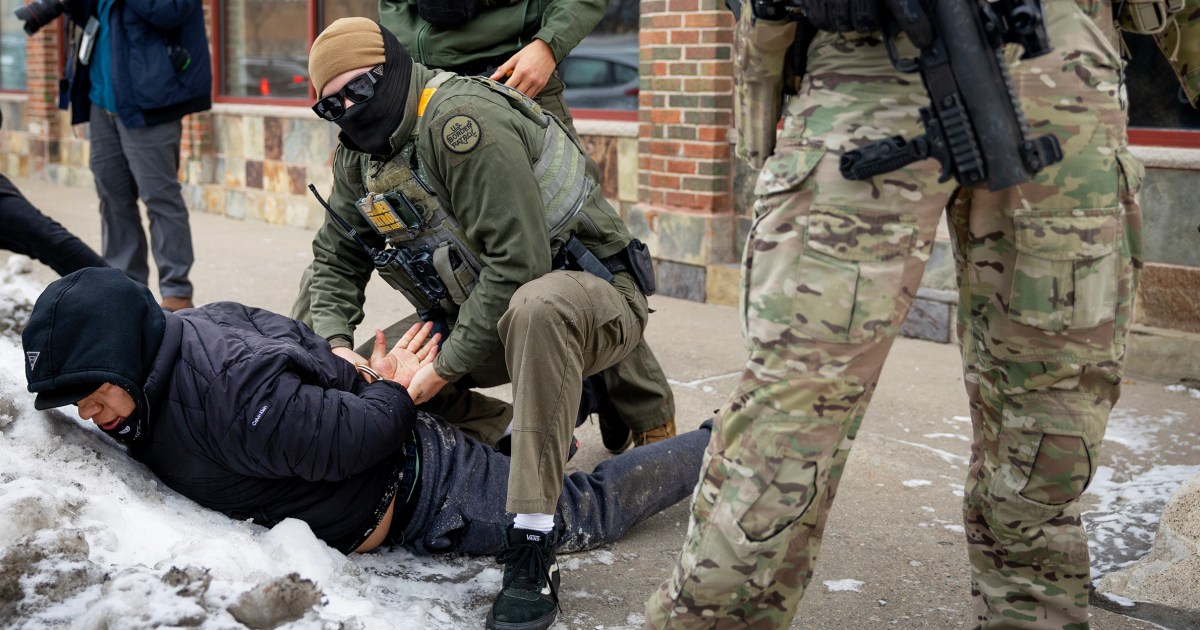
The vote caps a bitter fight that began after federal officers shot and killed two people in Minneapolis earlier this year. NBC News identified them as American citizens Renee Good and Alex Pretti, while NPR described them as protesters. Democrats withheld support for ICE and Border Patrol funding as they sought changes to immigration enforcement tactics, including judicial warrants before agents enter homes and requirements that officers wear body cameras. NPR reported Democrats also sought to prohibit officers from wearing masks.
Republicans rejected those demands and separated ICE and Border Patrol from a broader Department of Homeland Security funding bill. Congress later passed legislation to reopen and fund much of DHS, including the Coast Guard, Federal Emergency Management Agency, TSA and Secret Service, but left immigration enforcement funding unresolved. NBC News reported that shutdown lasted 75 days, the longest in U.S. history, while NPR described the broader immigration funding fight as a 115-day standoff.
The new bill provides lump-sum funding that must be spent by the end of fiscal year 2029, NPR reported. It includes $38 billion for ICE to hire, pay, train and equip officers and agents; $22 billion for Border Patrol personnel; $5 billion for border security technology and screening, including artificial intelligence; and $350 million for enforcement in localities that do not coordinate directly with ICE.
House Appropriations Committee Chairman Tom Cole, R-Okla., said Democrats were wrong to use agency funding as leverage, even if their concerns after the Minneapolis deaths were sincere.
“This is a terrible way to do business, and you know, it just tells me, for Senate Democrats, getting the majority is more important than running the country,” Cole told reporters before the vote. “This is not the appropriate way to express that. And frankly, if people have done something wrong, they need to be investigated and held to account.”
Rep. Bennie Thompson, D-Miss., defended Democrats’ push for enforcement changes.
“We still stand on those principles, whether our Republican colleagues obviously believe in them or not, which obviously they don’t,” Thompson said. “The average man or woman on the street says that those things make sense… and Republicans are listening to Donald Trump, and only Donald Trump.”
Sen. Lisa Murkowski, R-Alaska, the lone Senate Republican to oppose the measure, said funding the agencies for three fiscal years “weakens the normal budgeting process” and “reduces Congress’ ability to apply reasonable checks on immigration policy for the remainder of this administration and into the next.”
Other Republicans said Democrats left them no alternative. “We’re attempting here to fund ICE and CBP at last year’s operating budget plus inflation, that’s all we’re talking about here,” House Budget Chair Jodey Arrington, R-Texas, said before the vote. “This is not a slush fund, it’s regular, normal funding.”
The bill advanced after Republicans dropped a Trump administration request for a $1.8 billion “anti-weaponization” fund, following GOP concerns that it could lead to taxpayer-funded payouts to Jan. 6 rioters.
Sen. Lindsey Graham, R-S.C., praised the House vote, saying Republicans had “fully funded these agencies through President Trump’s entire second term to the tune of nearly $70 billion.” Most other government funding expires Sept. 30, when Congress will face another deadline to avoid a shutdown.








Be First to Comment