Key takeaways:
- The Pentagon added Alibaba, BYD and Baidu to its Section 1260H list of companies it describes as linked to China’s military.
- China’s embassy in Washington called the designation “discriminatory” and said Chinese firms operating overseas follow host-country laws.
- Alibaba said it is “not a Chinese military company nor part of any military-civil fusion strategy” and vowed legal action against misrepresentation.
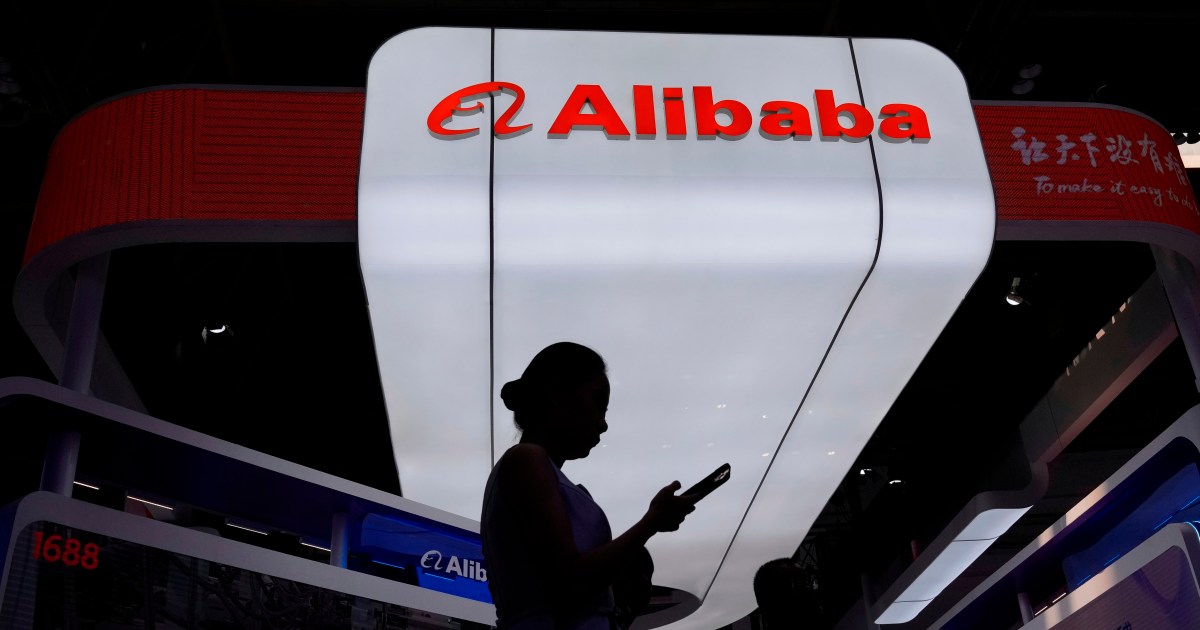
The United States has added Alibaba, BYD and Baidu to a Pentagon list of companies it says have links to China’s military, placing some of China’s best-known commercial brands under closer scrutiny by American organizations and federal defense buyers.
The updated Department of Defense list, formally known as Section 1260H, identifies firms the Pentagon describes as “Chinese military companies.” Inclusion does not amount to an immediate business ban, the BBC reported, but it is intended to alert American organizations to the risks of working with the companies. Al Jazeera reported that firms on the list, which was created in 2021 and is updated annually, are barred from consideration for U.S. defense contracts.
The latest update includes major names in Chinese technology, electric vehicles and internet services. Alibaba is a leading e-commerce company, Baidu is a major internet search platform, and BYD is one of China’s most prominent electric vehicle makers. The BBC reported that the new additions also include electric car maker Nio and aircraft manufacturer Comac. Al Jazeera reported that other additions include Shenzhen-based AI and robotics company RoboSense Technology and Hangzhou-based Unitree Robotics.
The Pentagon defines “Chinese military companies” as entities owned or controlled by the Chinese military, or those that contribute to China’s “military civil fusion,” a strategy linking civilian and defense-related research and innovation, according to Al Jazeera. Companies must also conduct some operations in the United States to be designated, the outlet reported.
China’s embassy in Washington condemned the move, calling the designation “discriminatory” and accusing the U.S. government of “overstretching” the concept of national security.
“Chinese companies that do business overseas have been strictly observing laws and regulations of their host countries,” an embassy spokesperson said. “The US should stop its wrong practice and create a fair, just and non-discriminatory environment for Chinese companies.”
Alibaba rejected its inclusion on the list. A company spokesperson told the BBC there is “no basis” for the designation and said Alibaba is “not a Chinese military company nor part of any military-civil fusion strategy.”
“We will take all available legal action against attempts to misrepresent our company,” the spokesperson said.
The BBC said it contacted several companies on the list, including BYD and Baidu. Al Jazeera reported that Alibaba, BYD and Baidu did not immediately respond to its requests for comment. RoboSense Technology and Unitree Robotics also did not immediately respond to Al Jazeera’s requests for comment.
The BBC reported that the Pentagon list includes more than 80 companies engaged in providing commercial services for the United States. Al Jazeera reported that the list now includes 188 firms, up from 134 in 2025.
Several Chinese companies added in previous years remain on the list, including Tencent, Huawei, drone maker DJI and battery maker CATL. The addition of Alibaba, Baidu and BYD follows last year’s designation of Tencent, owner of the WeChat messaging app, Al Jazeera reported.
The update comes less than a month after U.S. President Donald Trump met Chinese leader Xi Jinping in Beijing for a two-day summit aimed at easing tensions in a long-running trade war and technology rivalry, according to Al Jazeera.
Dennis Wilder, a national security expert who worked on China at the CIA and the White House’s National Security Council, told Al Jazeera he was skeptical that such a broad list would be effective.
“Although it may make some US firms wary of engaging with the labelled entities, in fact, many US firms already have deep relationships with these entities, that they are not going to give up unless there are real penalties attached to working commercial deals with them,” Wilder said.
“Sanctions that range this widely are sanctions that don’t work. Unless the US is willing to decouple from the Chinese economy altogether, these sanctions are simply performative,” he said.







Be First to Comment