
The Pentagon released a third batch of UFO and UAP records, including historical files, recent orb-sighting videos and witness accounts from federal agents. Officials said the cases remain unresolved and do not amount to definitive determinations about the phenomena.
Posts tagged as “the Department of Defense”
SpaceX shares rose sharply in their Nasdaq debut after the company raised $75 billion in the largest IPO on record. The listing values Elon Musk’s company at about $1.77 trillion while analysts question its profitability and AI-driven valuation.
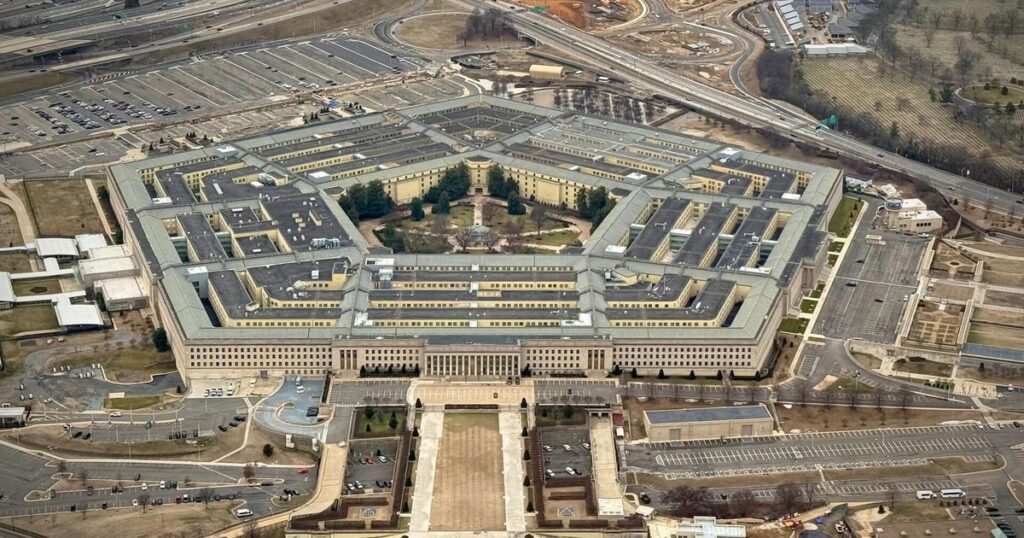
Hazmat crews responded to the Pentagon after systems detected an air quality issue, prompting a shelter-in-place order for an affected area. Officials said the measures were precautionary while the issue was assessed.
The Pentagon has added Alibaba, BYD and Baidu to its list of firms it says support China’s military. China’s embassy condemned the designation as discriminatory, while Alibaba said there is no basis for its inclusion.
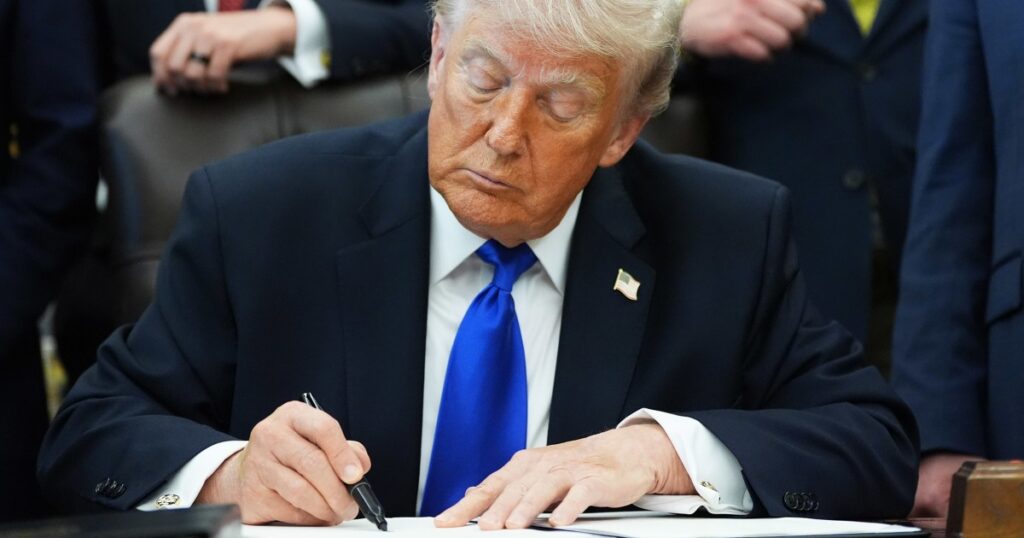
President Donald Trump signed an executive order creating a voluntary process for federal review of powerful AI models before release. The order focuses on cybersecurity and national security while avoiding mandatory licensing requirements for AI companies.
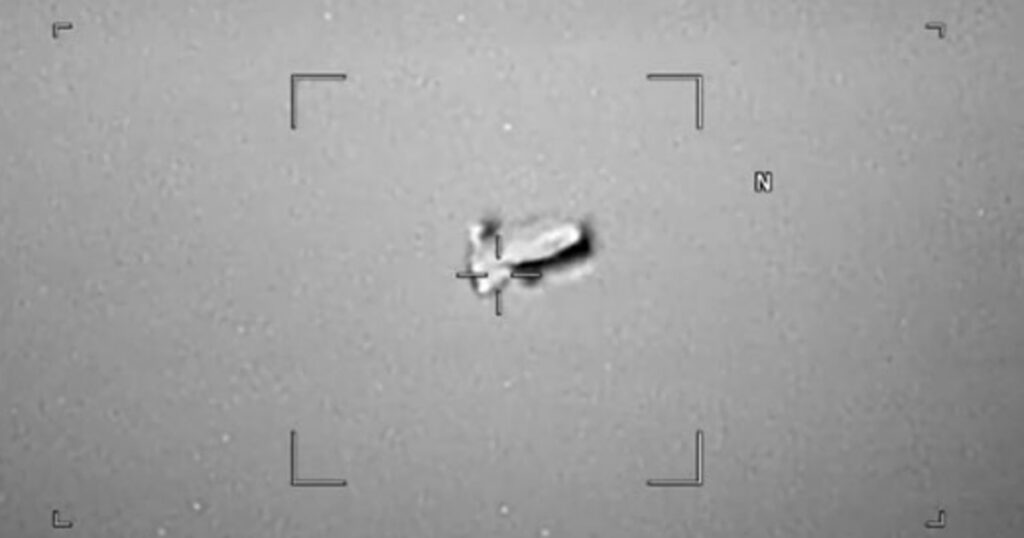
The Pentagon has released over 160 files on unidentified anomalous phenomena, including reports from Apollo missions and recent military sightings. The documents, spanning decades, are now publicly accessible on a dedicated government website.

A federal judge in California has blocked the Trump administration from designating AI company Anthropic as a "supply chain risk" and banning federal use of its technology, ruling the government's actions likely unlawful and arbitrary. The dispute arose after Anthropic restricted military use of its AI for surveillance and autonomous weapons, leading to the Pentagon’s prohibition and a presidential order to cease using its services. The injunction restores the status quo pending appeal, allowing agencies to choose AI providers freely while Anthropic continues legal challenges against what it calls retaliatory government actions.
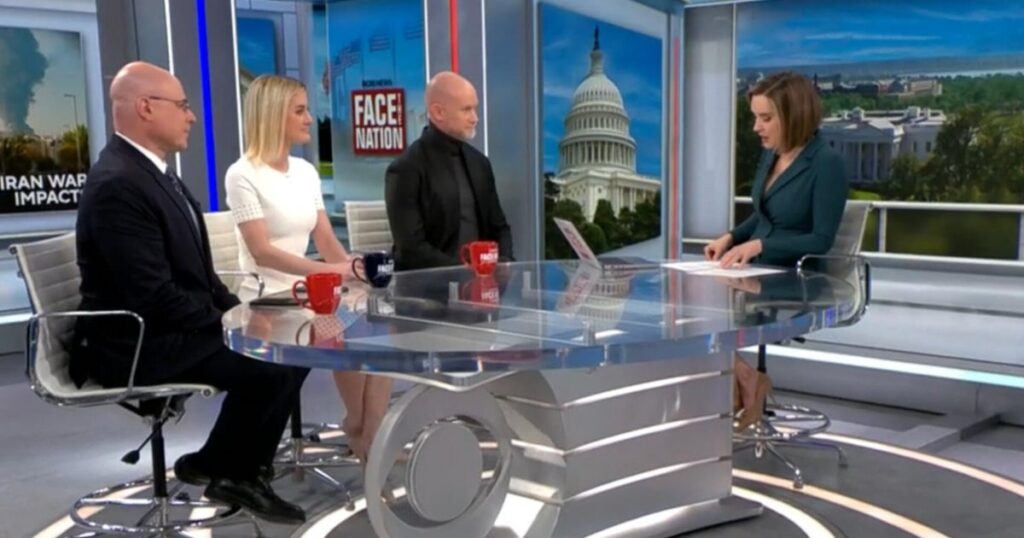
The ongoing U.S.-Iran conflict has sparked legal and political debates over the Trump administration’s military actions without explicit congressional authorization, with plans to request up to $50 billion in emergency supplemental funding that some view as retroactive approval. While the Department of Defense has existing funds for missile defense and munitions, questions remain about the necessity of additional emergency appropriations, as Congress holds significant power over military funding. Meanwhile, escalating military strikes, Iran’s refusal to negotiate, and rising domestic economic and security concerns underscore the complex geopolitical and domestic ramifications of the conflict.