Key takeaways:
- The US proposed 25% tariffs on Brazilian imports under Section 301 of the Trade Act of 1974 after an investigation into alleged unfair trade practices.
- US trade data cited in the reports show the United States had a goods trade surplus of more than $14 billion with Brazil last year.
- Brazilian President Luiz Inácio Lula da Silva blamed the tariff proposal partly on the Bolsonaro family and said Brazil would seek other buyers if the US reduces purchases.
The Trump administration has proposed 25% tariffs on imports from Brazil, charging that the world’s 10th-biggest economy engages in trade practices that are “unreasonable” and “burden or restrict US commerce,” a move that drew an angry response from Brazilian President Luiz Inácio Lula da Silva and threatened to deepen strains between the two governments.
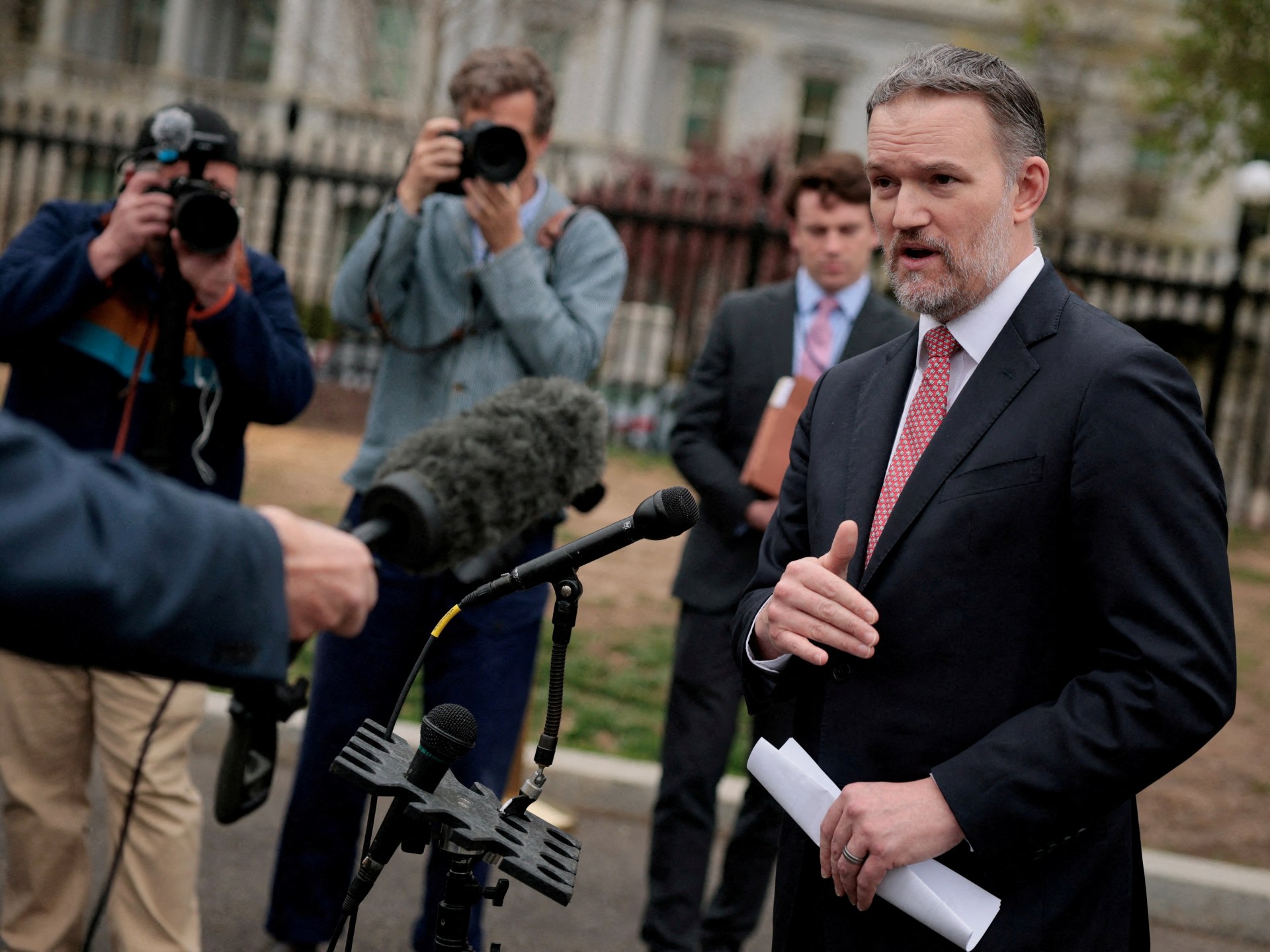
US Trade Representative Jamieson Greer announced the proposed tariffs late Monday after an investigation under Section 301 of the Trade Act of 1974, a law that gives Washington broad authority to impose trade sanctions over trade agreement violations or practices it considers unfair. The probe, which began in July, examined issues including digital trade, illegal deforestation, ethanol market access, anti-corruption enforcement and Brazil’s trade arrangements with Mexico and India.
A 107-page US government document said Brazil’s agreements with Mexico and India “create incentives to offshore US production by creating a financial advantage to exporting to Brazil from these countries, as opposed to exporting from the United States.”
Greer said he and President Donald Trump had “constructive” meetings with Lula and other Brazilian officials, but added: “We continue to have substantial differences in resolving the issues identified in this investigation.” On CNBC, Greer said the administration would release more findings on unfair trade practices in the coming weeks to address what he called a “giant” trade deficit.
Trade figures cited in the reports show the United States has maintained a goods trade surplus with Brazil. Documents published by the US trade representative show US exports to Brazil rose nearly 11% last year to $54.4 billion, while Brazilian exports to the US fell 5.7% to $39.9 billion, leaving the US with a surplus of more than $14 billion. In services, US exports to Brazil reached $29.6 billion in 2024, quadruple Brazil’s services exports to the United States.
Lula said Tuesday he received the decision “with indignation” and again threatened retaliation. He said that during a visit to Washington in early May, he handed Trump documents showing the US trade surplus with Brazil.
“I am not going to cry about it,” Lula said. “If they don’t want to buy from us, we will sell to someone else.” China has been Brazil’s biggest trading partner for about a decade.
Lula also blamed the move on domestic political rivals, including Senator Flávio Bolsonaro, the son of former President Jair Bolsonaro, who visited Washington last week. Brazil’s government said dialogue with US counterparts, including the “personal involvement of Presidents Lula and Trump,” was being “sabotaged by merely electoral and family matters” of the Bolsonaro family.
“These sons of Bolsonaro can be worse than him. They are actually sellouts of our country, they went there to ask a foreign nation to meddle in Brazilian affairs,” Lula said in Catalão, south of Brasília. “They are traitors.”
Flávio Bolsonaro wrote on X: “I expressly asked President Trump not to tariff our companies. Tariffs are not the solution.” Trump posted a photo of the Bolsonaros in the Oval Office on his social media site Tuesday.
The proposed tariffs would exempt more than half of US imports from Brazil, including aircraft and key minerals, according to Ryan Majerus, a trade lawyer and partner at King & Spalding. Al Jazeera reported that beef, coffee, rare earths, other metals, energy and aircraft parts are among the exempted products.
The new tariff plan would partially replace a 50% tariff Trump imposed last year on many Brazilian goods, mainly in protest of Brazil’s prosecution of Jair Bolsonaro over his attempt to overturn his 2022 election defeat. The proposal follows a February US Supreme Court ruling that Trump overstepped his authority by using the International Emergency Economic Powers Act to impose sweeping tariffs on trading partners, including Brazil.
The public comment period begins Thursday and written comments are due July 1. A public hearing is scheduled for July 6 in Washington.





Be First to Comment