Key takeaways:
- Virginia voters approved a new congressional map favoring Democrats in 10 of 11 districts.
- The referendum allows the Democratic-controlled legislature to bypass the bipartisan commission until after the 2030 census.
- Republicans have challenged the referendum's legality, with lawsuits pending in state court.
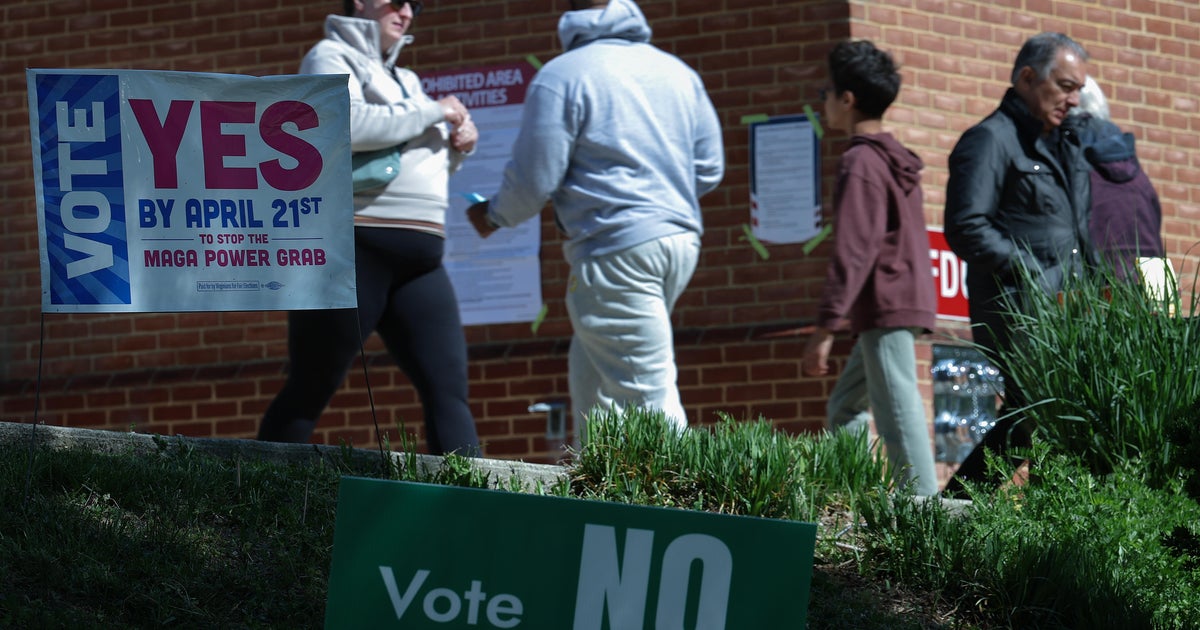
Virginia voters approved a new congressional map on Tuesday that is projected to give Democrats an advantage in 10 of the state’s 11 House districts, leaving just one safe Republican seat. The referendum, which passed by a narrow margin of nearly 3 percentage points with 95% of votes counted, could enable Democrats to pick up as many as four seats in the upcoming midterm elections.
The new map replaces the bipartisan commission-drawn districts with those drawn by the Democratic-controlled General Assembly, a change authorized by a constitutional amendment passed by voters. This amendment allows the Democratic legislature to bypass the bipartisan commission until after the 2030 census. Currently, Virginia’s House delegation consists of six Democrats and five Republicans.
Democrats framed the referendum as a response to Republican-led efforts in states like Texas, Missouri, and North Carolina to redraw maps favoring GOP candidates. Virginia’s vote follows a similar successful ballot measure in California last year, which shifted five GOP-held districts toward Democrats. National Democrats, including former President Barack Obama and House Minority Leader Hakeem Jeffries, campaigned heavily in support of the referendum. Jeffries said, “While many expected Democrats to roll over and play dead, we did the opposite.”
Governor Abigail Spanberger, who won her seat by 15 points last November, expressed optimism about the new map, stating, “Virginia voters have spoken, and tonight they approved a temporary measure to push back against a President who claims he is ‘entitled’ to more Republican seats in Congress.” She also affirmed a commitment to returning to the bipartisan redistricting process after the 2030 Census.
Republicans criticized the referendum as an “egregious power grab.” Rep. Richard Hudson, chair of the House GOP campaign arm, called the close result evidence that Virginia is a purple state that should not be subject to a severe partisan gerrymander. Virginia House Republican Leader Terry Kilgore highlighted ongoing legal challenges, saying, “Serious legal questions remain about both the wording of this referendum and the process used to put it before voters,” and noted that the fight over the map is not over.
The campaign saw nearly $100 million spent, with 95% coming from dark money groups. Supporters of the referendum, including Virginians for Fair Elections, contributed $64 million, while opponents, including Virginians for Fair Maps, spent nearly $20 million.
The new districts spread Democratic strength across northern Virginia, Richmond, and Virginia Beach, though some rural voters expressed concerns about disenfranchisement. Despite President Donald Trump’s previous support for GOP-favoring redistricting in other states, he urged Virginia voters to reject the new map shortly before the vote.
This vote is part of a broader national redistricting battle. Six states have enacted new maps in the last year, with Republicans gaining up to nine seats and Democrats up to six. Florida is expected to consider new maps in a special legislative session next week. The Supreme Court has yet to rule on a case that could affect redistricting rules nationwide. Ultimately, both parties will need to win elections in these newly drawn districts to realize the potential gains.










Be First to Comment