Key takeaways:
- Virginia’s referendum seeks to redraw congressional districts to favor Democrats with up to 10 of 11 seats.
- The amendment would suspend the bipartisan redistricting commission approved by voters in 2020 until after the 2030 census.
- Nearly $100 million has been spent on the campaign, with significant involvement from national figures including Barack Obama and Donald Trump.
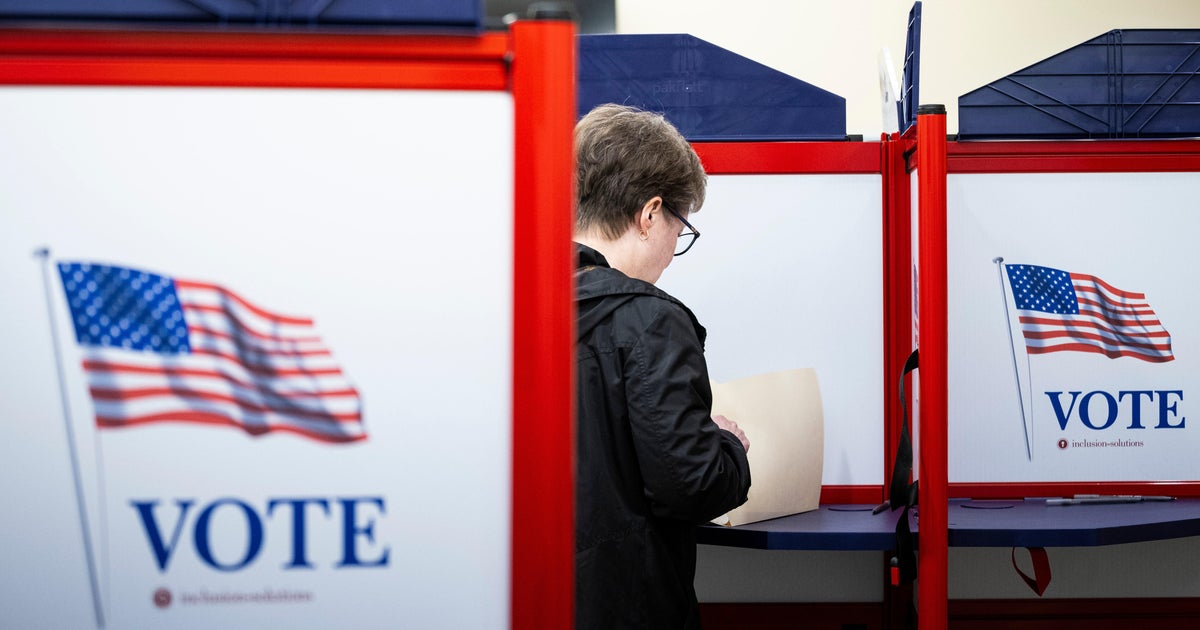
Virginia voters are casting ballots Tuesday on a constitutional amendment that would allow Democrats to implement a new congressional map favoring their party with up to 10 of the state’s 11 House seats. This special election is part of a broader national battle over redistricting as both parties seek to influence control of the narrowly divided U.S. House of Representatives.
The proposed map would replace the current bipartisan-drawn districts, which currently give Democrats six seats, with a plan that breaks up the Democratic-leaning northern Virginia suburbs and extends districts into more conservative areas, emphasizing Democratic strongholds like Richmond and Virginia Beach. The amendment would temporarily suspend the bipartisan redistricting commission approved by voters in 2020 and return mapmaking duties to the commission after the 2030 census.
Democrats argue the measure is a necessary response to Republican-led states redrawing maps last year under pressure from former President Donald Trump, who urged GOP lawmakers to redraw districts to gain seats. “We’re giving Virginians a chance to vote — which Republican states have not done — about whether they want to have a congressional delegation that will stand up against Donald Trump’s tyranny if he tries to interfere with our elections,” said Senator Tim Kaine, D-Va., on Fox News Sunday.
The campaign has drawn national attention and significant spending, with nearly $100 million poured into the race, mostly from dark money groups. Virginians for Fair Elections, supporting the referendum, has spent $64 million, while Virginians for Fair Maps, opposing it, has spent nearly $20 million. Former President Barack Obama has appeared in ads urging a “yes” vote, while Republicans have used footage of Obama criticizing political gerrymandering to argue against the measure.
Republicans, including former Governor Glenn Youngkin and House Speaker Mike Johnson, have campaigned against the amendment, framing it as a power grab that overturns a bipartisan process voters approved just five years ago. Trump participated in a tele-rally with Johnson on the eve of the election, calling the map “unfair” and warning that a Democratic House majority would be a “disaster.”
Turnout has been high for the special election, with more than 1.35 million early votes cast, nearly matching the total votes from last fall’s statewide races. Polls have shown a narrow lead for the referendum, with a Washington Post/George Mason University survey indicating 52% support versus 47% opposition, within the margin of error.
The referendum’s outcome remains uncertain amid mixed voter sentiments. Some Democrats express discomfort with the partisan nature of the proposal despite opposing Trump’s redistricting efforts in other states. Brian Cannon of Fair Vote Virginia, a longtime Democrat, opposes the measure, citing his work to establish the bipartisan commission and arguing that Democrats could win fairly under the existing maps.
Legal questions also loom, as the Virginia Supreme Court allowed the special election but reserved the right to rule on the amendment’s legality afterward. Political analysts note that while Virginia leans Democratic, the referendum sets a risky precedent by overturning a recent bipartisan reform.
This vote is part of a larger national context where states like California and Texas have also engaged in mid-decade redistricting battles. While some states have cooled their efforts, Virginia’s referendum could shift the balance of power in the House if it passes, potentially giving Democrats an edge in the 2026 elections.


Be First to Comment