Key takeaways:
- Brooklyn Rivera died in Nicaraguan state custody at age 73, with the government citing a bacterial infection following COVID-19.
- Rivera was held in enforced disappearance for over two years without independent medical oversight, sparking international condemnation.
- He was a longtime Indigenous leader who fought for Miskito land rights and autonomy, co-founding the Yatama political party.
Brooklyn Rivera, a prominent Indigenous leader and activist from Nicaragua, has died while in state custody, the Nicaraguan government confirmed Sunday. Rivera, aged 73, was held for nearly three years under conditions that human rights advocates have condemned as enforced disappearance. The government attributed his death to a bacterial infection following a bout of COVID-19, which led to physical and neurological decline.
Rivera was a key figure in the fight for the rights of the Miskito people, an Indigenous group residing along Nicaragua’s northeast coast. He spent decades advocating for Indigenous autonomy and land rights in a region rich in gold, silver, and other resources. His activism included founding the Organization of the Peoples of Mother Earth (Yatama) in the late 1980s, which played a significant role in securing limited autonomy for Indigenous communities after peace negotiations with the Sandinista government.
The Nicaraguan government’s announcement came after mounting international pressure to disclose Rivera’s condition. Until recently, his detention was unconfirmed, and his family and lawyers were denied contact. In September 2023, Rivera was arrested and accused of terrorism after living in hiding following a ban on his re-entry into Nicaragua. He had previously spoken out against the government at a United Nations forum in Geneva in April 2023.
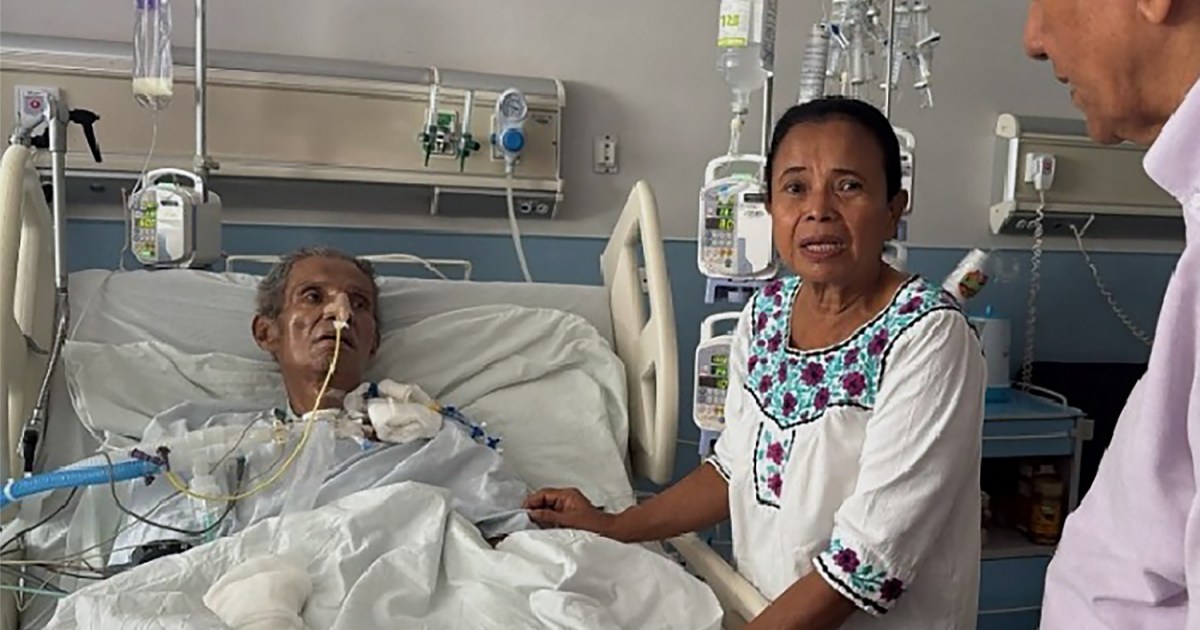
Photos released by the Ministry of the Interior last week showed Rivera intubated in a hospital, suffering from multiple organ failure, a cirrhotic liver, and an active lung infection. The images sparked renewed condemnation and calls for his release. The U.S. State Department demanded his unconditional release, condemning the “cruel treatment” he endured and calling for the freedom of all political prisoners in Nicaragua.
Human rights lawyer Reed Brody, a member of the U.N. Group of Human Rights Experts on Nicaragua, criticized the government’s handling of Rivera’s detention and death. “If he is dead, it cannot be said that the cause was illness,” Brody said. He described Rivera’s death as a consequence of being held in enforced disappearance without independent medical oversight for over two years. Brody also highlighted that the U.N. experts have documented 124 cases of arbitrary detention of Indigenous people in Nicaragua since 2018, with 46 deaths linked to violent incidents.
Rivera’s activism began in the 1960s, and he opposed the Sandinista government during the 1970s, leading to periods of exile in Costa Rica and Colombia. Despite threats and attacks, he continued to fight for Indigenous rights until his arrest in 2023. Brody called Rivera’s death a demonstration of the government’s cruelty toward dissenters and expressed hope that the international community would pay attention to the plight of Indigenous political prisoners.
The Nicaraguan government, led by co-presidents Daniel Ortega and Rosario Murillo, has faced longstanding criticism for its repression of political opponents, including arrests, torture, exile, and revocation of citizenship. Rivera’s death marks another tragic chapter in the country’s ongoing human rights struggles.

Be First to Comment