Key takeaways:
- The International Energy Agency recommends reducing oil demand through measures like working from home and using public transport, but changing American driving habits is challenging due to limited transit options and expensive electric vehicles.
- The Strait of Hormuz blockade, controlling about 20% of global oil shipments, is a major cause of supply disruption; reopening it is critical, but the strait may remain mostly closed until May despite U.S. efforts to release oil reserves.
- Iran exerts control over a narrow shipping route dubbed the “Tehran toll booth,” charging fees for passage and monitoring vessels, while regional tensions have led to attacks on ships and ongoing conflict over sovereignty of the waterway.
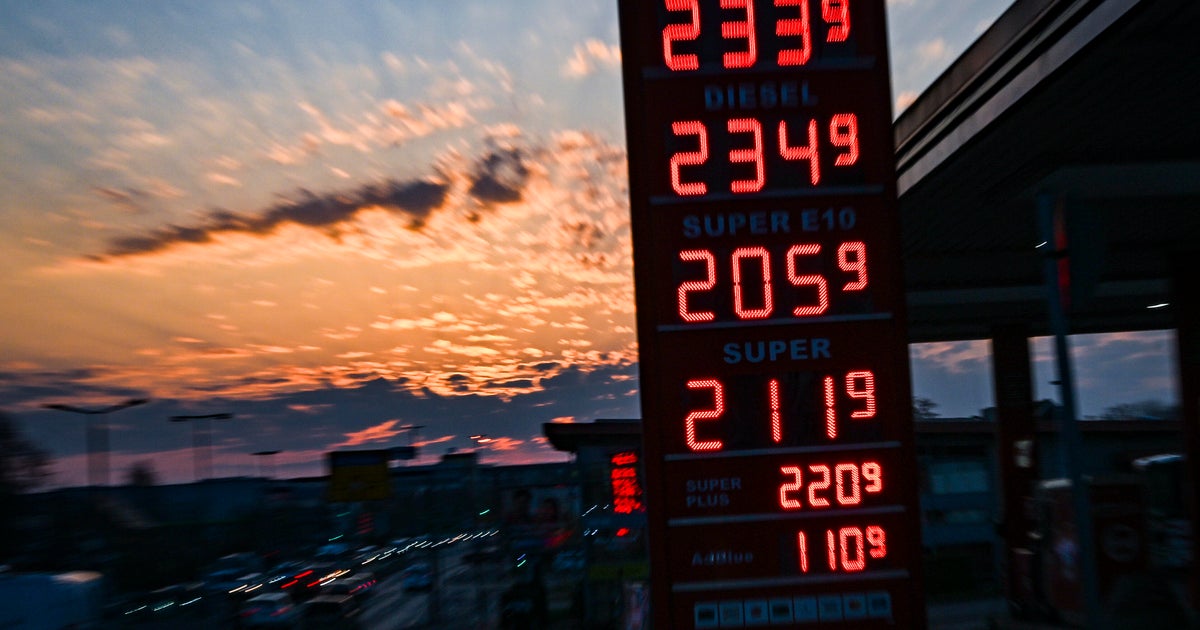
As the conflict involving Iran continues to disrupt global oil supplies, calls for Americans to reduce their energy consumption face significant challenges. The International Energy Agency (IEA) recently issued recommendations aimed at curbing oil demand, emphasizing measures such as working from home, driving more slowly, carpooling, and using public transportation. These suggestions target the transportation sector, which accounts for about two-thirds of oil consumption. However, experts warn that changing American driving habits may be difficult due to limited public transit options and the higher cost of electric vehicles compared to gasoline-powered cars.
The ongoing war has led to a blockade of the Strait of Hormuz, a critical maritime passage that handles roughly 20% of the world’s oil shipments. The IEA’s director, Fatih Birol, highlighted reopening this strait as the most crucial step to alleviating the supply disruption. Economists estimate that the strait could remain largely closed until May, with only partial resumption of oil shipments thereafter. In response to the crisis, the U.S. government has released 172 million barrels from its Strategic Petroleum Reserve, but analysts caution that such supply-side efforts alone will not be sufficient to restore pre-conflict oil prices.
The blockade’s impact is compounded by Iran’s control over a narrow shipping route through its territorial waters, which has been dubbed the “Tehran toll booth” by maritime experts. Since the conflict escalated on February 28, the number of vessels passing through the Strait of Hormuz has dropped dramatically from about 110 daily to fewer than 10. Ships now navigate a tighter passage between the Iranian islands of Qeshm and Larak, where the Islamic Revolutionary Guard Corps monitors and charges fees for passage. Some vessels have reportedly paid millions of dollars in Chinese yuan to transit this route, and Iran’s parliament is reportedly preparing legislation to formalize these tolls. Iranian officials argue that charging fees for security provision is justified, signaling a potential long-term assertion of control over the waterway.
The heightened tensions have also led to targeted attacks on shipping vessels in the region, with at least 18 incidents reported since the war began. The deadliest attack occurred on March 6, when four sailors died near the strait. Israel recently announced the killing of Alireza Tangsiri, head of Iran’s Revolutionary Guard naval forces, who was responsible for mining and blockading the strait. Meanwhile, Iran’s foreign ministry has stated that the waterway remains open to non-hostile vessels that coordinate with Iranian authorities. However, Tehran has set conditions for ending the conflict, including recognition of its sovereignty over the Strait of Hormuz, indicating its intent to maintain control over this strategic passage.



Be First to Comment