
The conflict involving Iran has severely disrupted global oil supplies by blocking the Strait of Hormuz, a vital route for about 20% of the world’s oil shipments, with vessel traffic dropping drastically and Iran imposing tolls on passage. The International Energy Agency recommends reducing oil demand through measures like remote work and increased public transit use, but experts note challenges in changing American driving habits due to limited transit options and the cost of electric vehicles. Meanwhile, ongoing tensions have led to attacks on shipping vessels, and Iran insists on sovereignty over the strait as a condition for ending the conflict, signaling a long-term assertion of control.
Posts tagged as “the International Energy Agency”
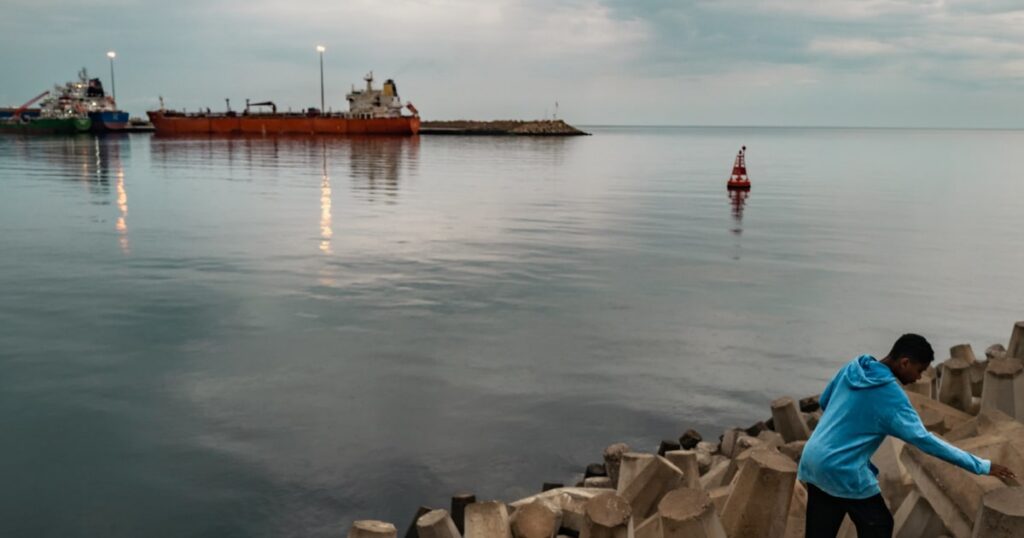
Amid escalating conflict between Iran and Israel following U.S. and Israeli strikes, diplomatic efforts involving indirect talks facilitated by Pakistan and other regional players have reportedly begun, though official confirmations remain pending. The war has caused over 2,000 deaths, displaced millions, and disrupted global energy markets, pushing Brent crude oil prices above $100 a barrel amid fears of supply shortages. Despite ongoing hostilities marked by missile strikes and air raids, U.S. President Donald Trump expressed cautious optimism about potential negotiations, while regional tensions and economic risks continue to mount.

President Donald Trump announced a five-day postponement of planned airstrikes on Iran’s energy infrastructure, citing productive talks aimed at reopening the strategically vital Strait of Hormuz. While Trump claimed progress in negotiations, Iran denied any direct communication and viewed the delay as a tactic to lower energy prices and prepare militarily. The situation remains tense, with global energy prices surging and experts warning that the coming days will be crucial in determining whether diplomacy will de-escalate the conflict or if hostilities will intensify.

The conflict between the United States, Israel, and Iran has led to the near closure of the Strait of Hormuz, severely disrupting global oil supplies and causing sharp price increases, particularly impacting energy-dependent Asian countries that have implemented emergency measures to cope with shortages. This disruption has triggered broader economic consequences, including rising costs for fuel and essential products like fertilizers, stock market declines, and a shift toward alternative energy sources. Meanwhile, maritime operations in the strait have become increasingly dangerous due to attacks and military tensions, with shipping largely deterred despite U.S. efforts to secure the vital waterway.
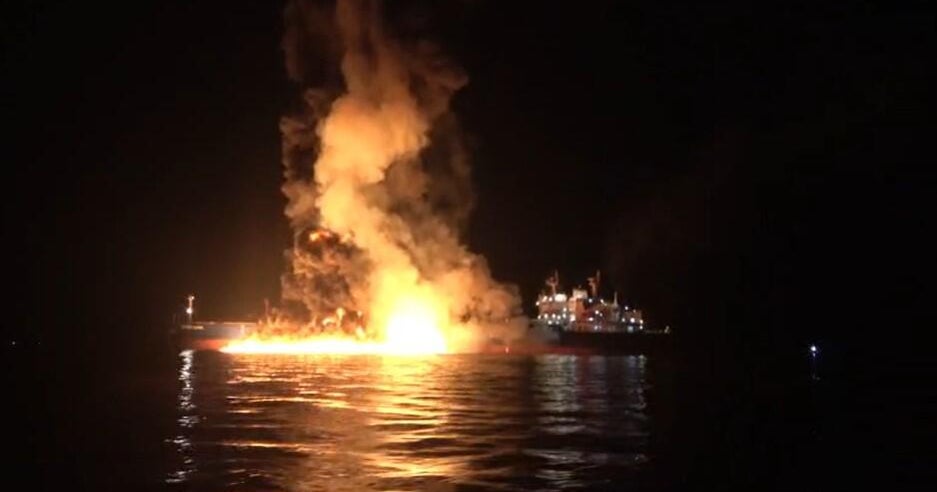
Oil prices surged sharply amid escalating conflict involving the U.S., Israel, and Iran, with Brent crude surpassing $100 per barrel due to disruptions in the critical Strait of Hormuz and attacks on oil infrastructure across the Gulf region. The crisis has led to significant economic impacts, including declines in U.S. stock markets, production shutdowns by major energy companies, and government measures such as fuel rationing in India and potential U.S. policy changes like a temporary Jones Act waiver and strategic oil reserve releases. Meanwhile, military actions have intensified, causing substantial casualties and prompting international efforts to address the escalating threats to global energy supplies and maritime security.

Inflation in the United States remained steady in February, with the Consumer Price Index rising 2.4% annually, slightly below expectations, before the recent surge in oil prices caused by the Iran conflict. The war has sharply increased gasoline prices and disrupted global oil supply via the Strait of Hormuz, raising concerns that energy cost spikes could reverse progress in controlling inflation. As the Federal Reserve prepares for its March interest rate decision, economic uncertainties—including weakening job growth and inflation risks—have led analysts to anticipate a cautious approach amid heightened uncertainty.
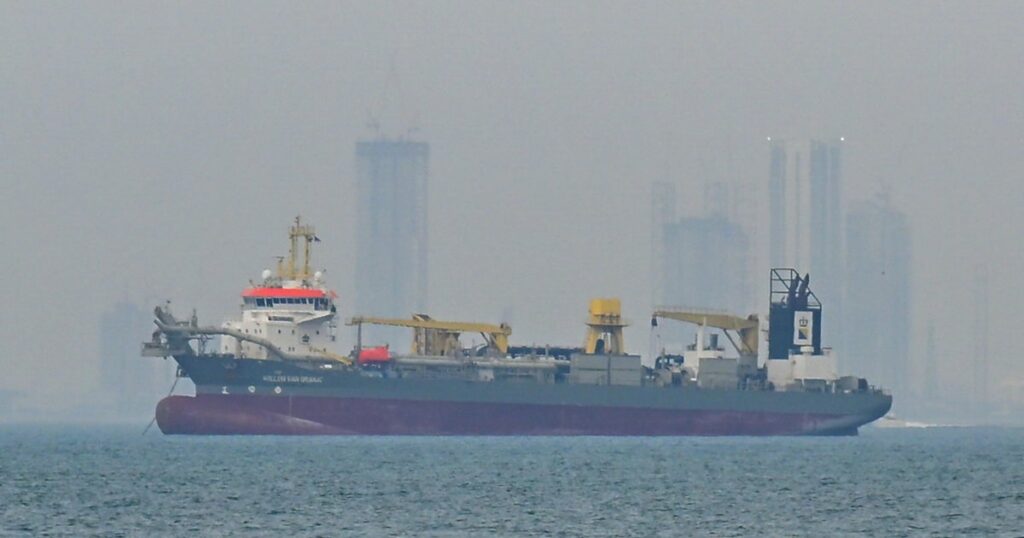
The U.S. government, through the International Development Finance Corporation (DFC), has launched a new initiative to provide political risk insurance for ships navigating the Persian Gulf amid escalating attacks and rising insurance premiums. This program, in partnership with insurer Chubb, aims to ensure the continued flow of energy supplies through the Strait of Hormuz by covering losses up to $20 billion, addressing the withdrawal of private war risk coverage. The move responds to recent vessel attacks that have drastically reduced maritime traffic and driven up global oil prices, though it raises concerns about potential financial risks for American taxpayers and the scope of coverage for non-U.S. ships.
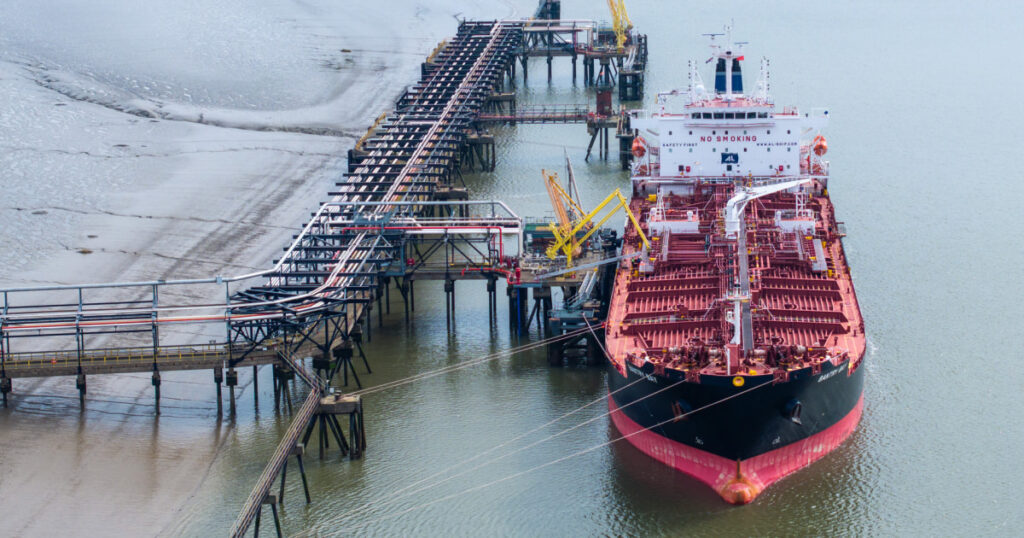
The International Energy Agency (IEA) announced a historic release of 400 million barrels of oil from emergency reserves to counter soaring energy prices caused by the closure of the Strait of Hormuz amid tensions with Iran. This unprecedented collective action by 32 member countries aims to mitigate significant supply disruptions, though analysts warn it may only provide limited short-term relief given the scale of the deficit and logistical delays. The situation remains volatile, with sustained price stability dependent on reopening the crucial maritime route and securing long-term energy supply solutions.