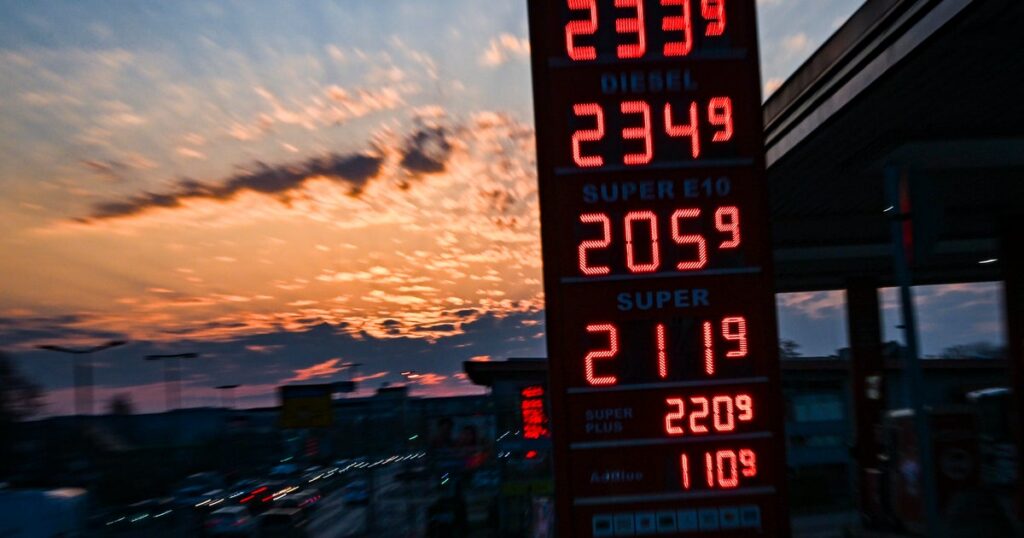
The conflict involving Iran has severely disrupted global oil supplies by blocking the Strait of Hormuz, a vital route for about 20% of the world’s oil shipments, with vessel traffic dropping drastically and Iran imposing tolls on passage. The International Energy Agency recommends reducing oil demand through measures like remote work and increased public transit use, but experts note challenges in changing American driving habits due to limited transit options and the cost of electric vehicles. Meanwhile, ongoing tensions have led to attacks on shipping vessels, and Iran insists on sovereignty over the strait as a condition for ending the conflict, signaling a long-term assertion of control.
Posts tagged as “Wieambilla”
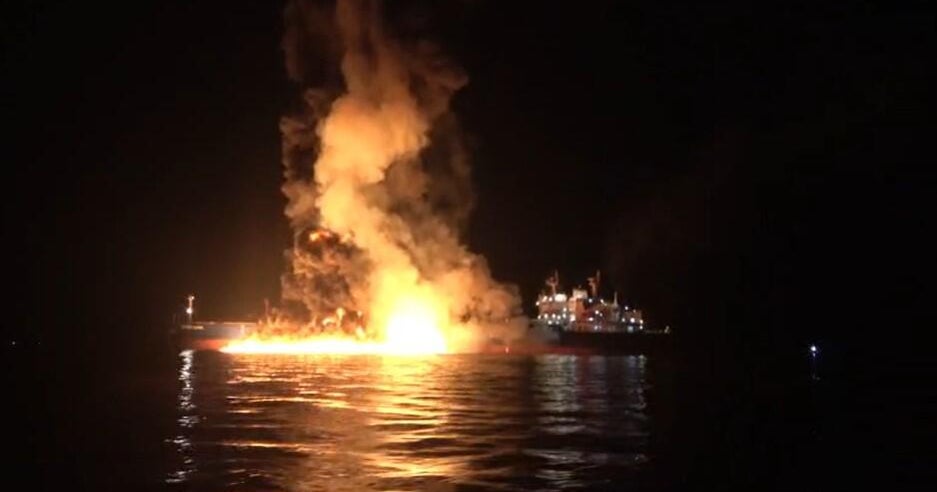
Oil prices surged sharply amid escalating conflict involving the U.S., Israel, and Iran, with Brent crude surpassing $100 per barrel due to disruptions in the critical Strait of Hormuz and attacks on oil infrastructure across the Gulf region. The crisis has led to significant economic impacts, including declines in U.S. stock markets, production shutdowns by major energy companies, and government measures such as fuel rationing in India and potential U.S. policy changes like a temporary Jones Act waiver and strategic oil reserve releases. Meanwhile, military actions have intensified, causing substantial casualties and prompting international efforts to address the escalating threats to global energy supplies and maritime security.
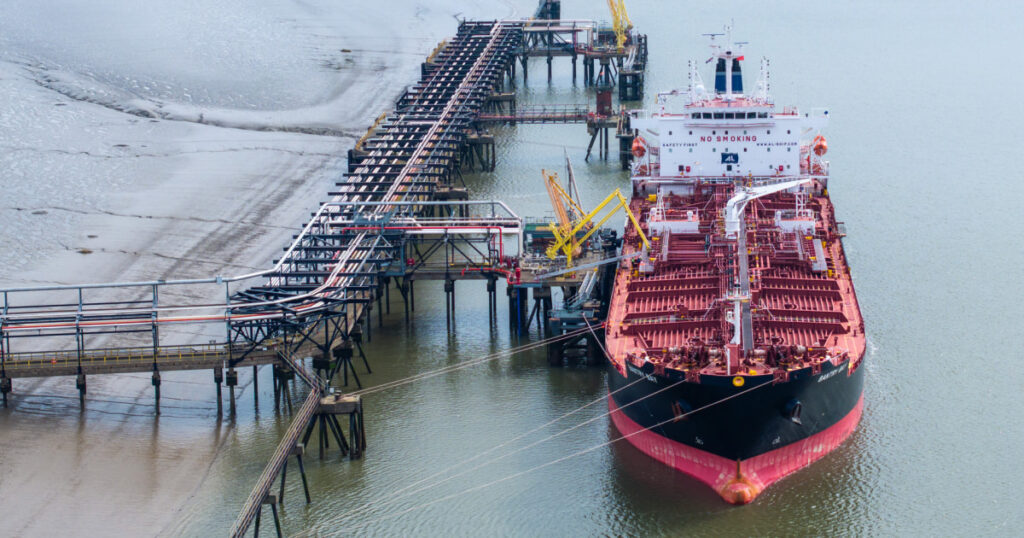
The International Energy Agency (IEA) announced a historic release of 400 million barrels of oil from emergency reserves to counter soaring energy prices caused by the closure of the Strait of Hormuz amid tensions with Iran. This unprecedented collective action by 32 member countries aims to mitigate significant supply disruptions, though analysts warn it may only provide limited short-term relief given the scale of the deficit and logistical delays. The situation remains volatile, with sustained price stability dependent on reopening the crucial maritime route and securing long-term energy supply solutions.
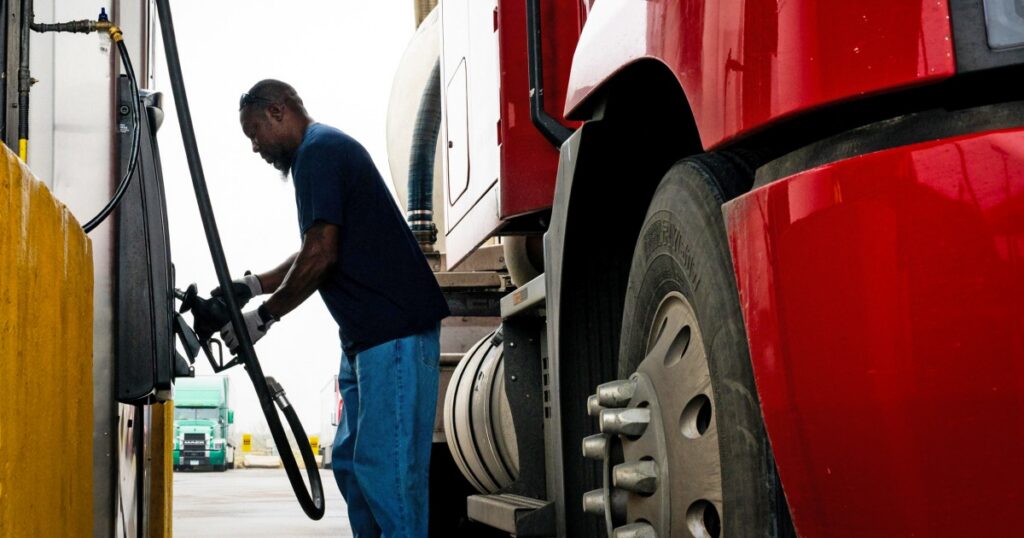
Rising gas prices in the U.S., driven by disruptions in oil shipments through the Strait of Hormuz amid the Iran conflict, have prompted discussions about releasing oil from the Strategic Petroleum Reserve (SPR) to stabilize the market. Although the SPR holds significant reserves, experts warn its impact may be limited due to the time required to release oil and the scale of supply disruptions, while G7 finance ministers have yet to agree on coordinated action. Meanwhile, oil prices remain volatile amid mixed signals about U.S. naval escorts in the region, and officials are exploring various policy options, though a lasting solution depends on reopening the Strait of Hormuz.

A US citizen has been arrested in Arizona for allegedly inciting a religiously motivated terrorist attack in Australia that left six people dead. The attack saw three people, including two officers, killed when police were ambushed at a rural property last year. The man has been charged with inciting the attack and is currently in custody, with further details expected to be released in the coming days.